

Engine Coolant Temperature Sensor Guide for 1985-1994 Pontiac Firebird
Solve common running issues like poor fuel economy and hard starts by understanding this critical sensor in your Firebird.
- A bad ECT sensor commonly causes a rich fuel condition, leading to poor gas mileage and black smoke.
- This is a simple and inexpensive DIY repair that most owners can complete in under 30 minutes.
- Your Firebird has two sensors: a two-wire sensor for the computer (ECT) and a one-wire sender for the dash gauge.
- Top-tier aftermarket brands like ACDelco, Delphi, and Standard Ignition (SMP) are recommended for reliability.
The Role of the ECT Sensor in Your Firebird


Your Firebird's computer needs to know if the engine is cold, warming up, or at full operating temperature. A cold engine requires a richer fuel mixture (more gas) to start and run smoothly, similar to how a choke works on an older carbureted engine. As the engine warms up, the ECT sensor tells the computer, which then leans out the fuel mixture for better fuel economy and lower emissions. A faulty sensor that sends a false "cold" signal can cause the engine to run rich continuously, leading to poor mileage, black smoke, and carbon buildup. Conversely, a false "hot" signal can cause starting problems and a lean running condition.
Sensor vs. Sender: A Common Point of Confusion
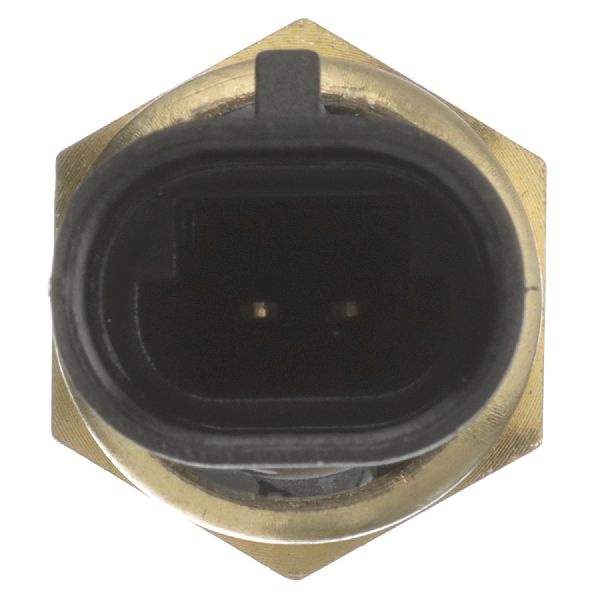
Third-generation Firebirds have two separate temperature units. The Engine Coolant Temperature (ECT) Sensor has two wires (often yellow and black) and sends information to the engine computer. It is typically located on the front of the intake manifold, near the thermostat housing. The Coolant Temperature Sender has a single wire (often dark green) and only operates the temperature gauge on your dashboard. It is usually found on the driver's side cylinder head, between the spark plugs. This guide focuses on the two-wire ECT sensor for the computer.
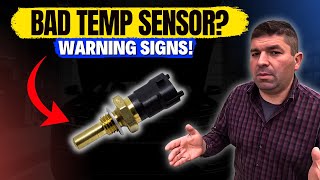
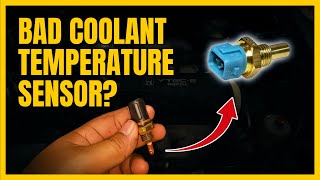
🎬 Watch this comparison of the sensor versus the sender.Symptoms of a Failing Coolant Temp Sensor
A bad ECT sensor can cause a surprising number of issues. Because the computer relies on its signal for so many calculations, a bad reading can make the car run poorly in many ways. Look out for these common symptoms:
- Check Engine Light: The computer will often trigger a Check Engine Light if the sensor's signal is out of its expected range. Common codes include P0117 (circuit low input/too hot) and P0118 (circuit high input/too cold).
- Poor Fuel Economy: If the sensor is stuck reading cold, the computer will continuously dump extra fuel into the engine, hurting your gas mileage.
- Black Smoke from Exhaust: A rich fuel mixture from a bad sensor can result in black, sooty smoke from the tailpipe.
- Hard Starting: The engine may be difficult to start, either when it's cold or when it's hot, because the fuel mixture is incorrect for the actual engine temperature.
- Engine Overheating or Fans Not Working: The sensor plays a key role in telling the cooling fans when to activate. A bad sensor might prevent them from turning on, causing the engine to overheat in traffic.
- Rough Idle: The engine may idle roughly or stutter, especially before it has fully warmed up. 🎬 See a detailed breakdown of these common failure symptoms.
Choosing the Right Aftermarket Sensor for Your Firebird

While a genuine GM part is an option, the aftermarket offers many quality replacements that provide excellent performance and value. For a component this critical, it's best to stick with reputable brands. Aftermarket sensors can be grouped into tiers based on their reputation for quality and reliability.
Pro Tip: Many owners recommend replacing the pigtail connector along with the sensor, as the plastic can become brittle and the terminals can corrode over time, causing a poor connection.
Tier 1: OEM-Quality & Top-Tier Aftermarket
These brands are often original equipment manufacturers for GM or have a long-standing reputation for producing parts that meet or exceed OEM specifications. They are the most trusted choices for reliability.
- ACDelco: As GM's original parts brand, ACDelco is a benchmark for quality and fit. However, be aware that like many brands, parts may be manufactured in various countries.
- Delphi: Formerly a part of GM, Delphi has a strong OE heritage and is known for high-quality sensors. Many consider Delphi and ACDelco parts to be of similar quality.
- NGK/NTK: While famous for spark plugs, NTK (the sensor division of NGK) is a highly respected manufacturer of engine management sensors with a reputation for precision.
Tier 2: Reliable Aftermarket Brands
These brands are well-known in the industry and offer a solid balance of quality and price. They are a dependable choice for most repairs.
- Standard Ignition (SMP): A major aftermarket manufacturer that produces a wide range of reliable sensors. Their parts are often praised for being accurate replacements.
- Beck Arnley: This brand specializes in sourcing parts that match the original equipment for form, fit, and function, making them a reliable option.
- Hella: A German company with a strong reputation for quality electronic components and sensors.
- Holstein: A newer brand focusing on high-quality sensors that has gained a positive reputation.
Tier 3: Value-Oriented Brands
These brands focus on providing a functional part at a lower price point. They can be a good choice for budget-conscious repairs, but may not have the same long-term durability or precision as higher-tier brands.
- Facet
- Four Seasons
- Global Parts
- Motorad
- True Tech
Cost of Replacing an Engine Coolant Temperature Sensor

Replacing the ECT sensor on a 1985-1994 Firebird is an inexpensive repair, whether you do it yourself or take it to a shop.
| Part/Service | Estimated Cost |
|---|---|
| New Aftermarket Sensor | $12 - $41 |
| Shop Labor | $50 - $100 |
| Total Estimated Cost (At a Shop) | $62 - $141 |
Frequently Asked Questions (FAQ)
Where is the ECT sensor located on my 1985-1994 Firebird?
The Engine Coolant Temperature (ECT) sensor for the computer is almost always located on the front of the engine's intake manifold, very close to the thermostat housing. It has a two-wire electrical connector. Do not confuse it with the single-wire sender for the dashboard gauge, which is on the driver's side cylinder head.
Can I replace the ECT sensor myself?
Yes, this is a very DIY-friendly job. It typically requires basic hand tools like a deep socket and wrench. The sensor simply unscrews from the intake manifold. Some coolant will leak out when you remove the old sensor, so have the new one ready to screw in quickly to minimize the mess. The job can usually be done in under 30 minutes.
🎬 Follow this step-by-step guide to replacing the sensor yourself.Are there any recalls for the coolant sensor on these Firebirds?
A search of the National Highway Traffic Safety Administration (NHTSA) database shows no recalls specifically for the engine coolant temperature sensor on 1985-1994 Pontiac Firebirds.
What happens if I don't replace a bad ECT sensor?
While you can usually still drive the car, ignoring a bad ECT sensor will lead to persistent problems. You'll suffer from poor fuel economy, increased engine carbon buildup, and potential starting issues. Most importantly, if the sensor fails to trigger the cooling fans, you risk severe engine damage from overheating.
Helpful Videos



Technical Specifications
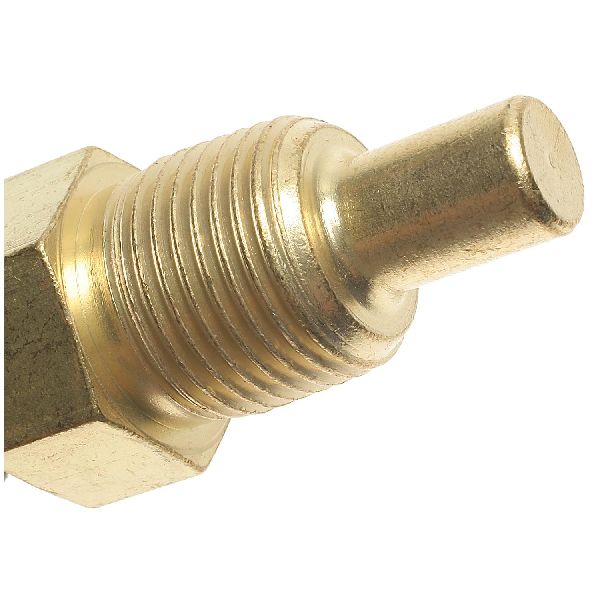
OEM Part Numbers: 12146312 15326386
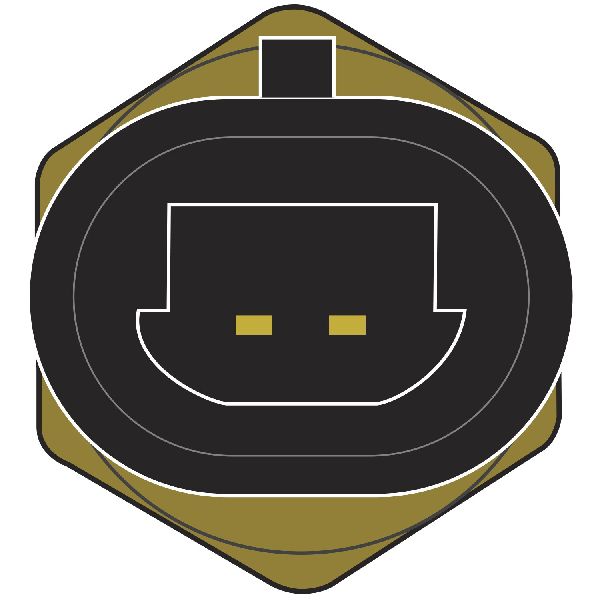
Connector: 2-Pin Blade. Thread Size: 3/8" NPT.
We Have This Part in Stock


The information in this article is provided for general reference and educational purposes only. Vehicle specifications, procedures, and part compatibility can vary by production date, trim level, and region. Always consult your vehicle's factory service manual and verify part numbers before purchasing or performing repairs. Safety-critical components such as airbags, seat belts, and braking systems should be installed by a qualified professional.
- Pontiac Firebird:
- 🎬 Helpful Videos
- 🛍️ Shop This Part
- The Role of the ECT Sensor in Your Firebird
- Sensor vs. Sender: A Common Point of Confusion
- Symptoms of a Failing Coolant Temp Sensor
- Choosing the Right Aftermarket Sensor for Your Firebird
- Tier 1: OEM-Quality & Top-Tier Aftermarket
- Tier 2: Reliable Aftermarket Brands
- Tier 3: Value-Oriented Brands
- Cost of Replacing an Engine Coolant Temperature Sensor
- Frequently Asked Questions (FAQ)
- 🎟️ Get 5% Off