

Guide to the Engine Crankshaft Position Sensor for the 1985-1995 Buick Century
If your Buick Century cranks but won't start, stalls unexpectedly, or runs rough, a bad crankshaft sensor is a likely cause.
- A no-start condition where the engine still cranks is the #1 symptom of a failed crankshaft sensor.
- Stalling when the engine is warm is another classic sign of a failing sensor.
- You MUST know your specific engine size (e.g., 3.1L vs 3.3L V6) before ordering, as the parts are different.
- For reliability, choosing a premium brand like ACDelco or Delphi is highly recommended for this critical part.
Why is the Crankshaft Sensor so Important on a Buick Century?
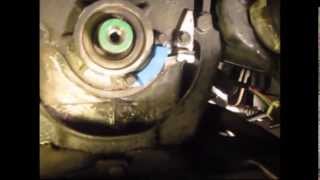
On General Motors vehicles from this era, the crankshaft position sensor is the master clock for the engine. If it fails, the engine's computer is flying blind. It doesn't know when to command fuel or spark, which leads to some very noticeable problems. When this sensor starts to fail, it often becomes sensitive to heat. Your Century might start fine when cold, but then stall after it warms up and refuse to restart until the engine cools down. 🎬 Watch this walkthrough on fixing heat-related stalling and sensor failure Eventually, it will fail completely, leaving you stranded.
Symptoms of a Failing Crankshaft Position Sensor
A bad crank sensor can mimic other problems, but there are a few classic signs for this part. You might experience one or more of these issues:
- Engine Cranks, But Won't Start: This is the most common and serious symptom. The starter will turn the engine over, but it will never fire up because the computer isn't getting the signal it needs to activate the fuel and ignition systems.
- Intermittent Stalling: The car may suddenly shut off while you're driving, often at low speeds or when coming to a stop. It may or may not restart right away.
- Rough Idle and Engine Vibration: Your engine may shake or run unevenly when you're stopped at a light.
- Poor Acceleration: The car may feel sluggish, hesitate, or accelerate unevenly because the computer can't time the engine events correctly.
- Check Engine Light: A failing sensor will often trigger the Check Engine Light. A diagnostic scan might show codes like P0335 or P0336.
Common Ordering Mistake: Engine Differences
The 1985-1995 Buick Century was offered with many different engines, including the 2.5L I4, 3.1L V6, and 3.3L V6. The crankshaft sensor is NOT the same for all of them. Before ordering, you must confirm your Century's specific engine size to ensure you get the correct part. The wrong sensor will not fit or function.
Choosing the Right Aftermarket Sensor
Since original GM parts for this vehicle may be hard to find, the aftermarket is your go-to source. However, quality varies significantly. For a critical part like this, choosing a reputable brand can save you from doing the job twice.
- Premium Brands (ACDelco, Delphi): ACDelco is the original GM parts brand, and their components are considered the benchmark for fit and reliability. Delphi was often the original equipment manufacturer for GM and is an excellent choice, known for testing to OE standards. These are your best bet for a long-lasting repair.
- Mid-Tier Brands (Standard Ignition, Dorman, Beck Arnley): These brands offer a good balance of quality and value. Standard Motor Products (Standard Ignition) and Dorman are well-known aftermarket names that produce reliable parts. Beck Arnley is also a respected brand that often sources parts from OE suppliers.
- Economy Brands (Spectra, Walker, Holstein, etc.): These are the most affordable options. While they can get your car back on the road, their long-term durability and sensor accuracy may not match the higher-tier brands. They are a budget-friendly choice, but be aware of the potential trade-off in lifespan.
| Item | Estimated Cost |
|---|---|
| New Aftermarket Part | $16.43 - $134.79 |
| Shop Labor | $180 - $300 |
| Total Professional Replacement | $196 - $435 |
Pro Tip: The Harmonic Balancer
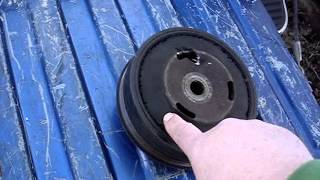
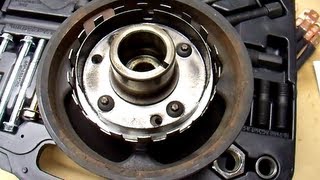
On many of the V6 engines used in these Centurys, the crankshaft sensor is located behind the main engine pulley, called the harmonic balancer. 🎬 See how to diagnose common harmonic balancer and sensor issues Replacing it requires removing the serpentine belt and using a special "puller" tool 🎬 Watch: How to remove the balancer and sensor on 3.1L engines to get the balancer off. This makes the job more complex than a simple bolt-off, bolt-on sensor replacement.
Frequently Asked Questions (FAQ)
Can I drive my Buick Century with a bad crankshaft sensor?
It is not recommended. The risk of the engine stalling in traffic is high, which is a serious safety hazard. If the sensor fails completely, the car will not start, leaving you stranded.
Are there any recalls for the crankshaft sensor on this car?
No. Searches of the National Highway Traffic Safety Administration (NHTSA) database did not show any recalls for the crankshaft position sensor on the 1985-1995 Buick Century. Recalls for this vehicle were for other issues like seat belts and fuel clamps.
Is this a difficult job to do myself?
It depends on your engine. If the sensor is easily accessible, it's a simple job. However, on many V6 models, the sensor is behind the harmonic balancer, which requires a special puller tool and more significant disassembly. This increases the difficulty substantially. If you are not comfortable with that, it's best to leave it to a professional.
Do I need to perform a relearn procedure after replacement?
For most GM vehicles of this vintage, a specific computer "relearn" procedure is not typically required for the crankshaft sensor itself. After installing the new sensor, you can clear any trouble codes with a scan tool or by disconnecting the battery for about 15 minutes. The engine computer will adapt to the new sensor as you drive.
Helpful Videos
Technical Specifications
OEM Part Numbers: 10456143 213-151 213-936 24508212
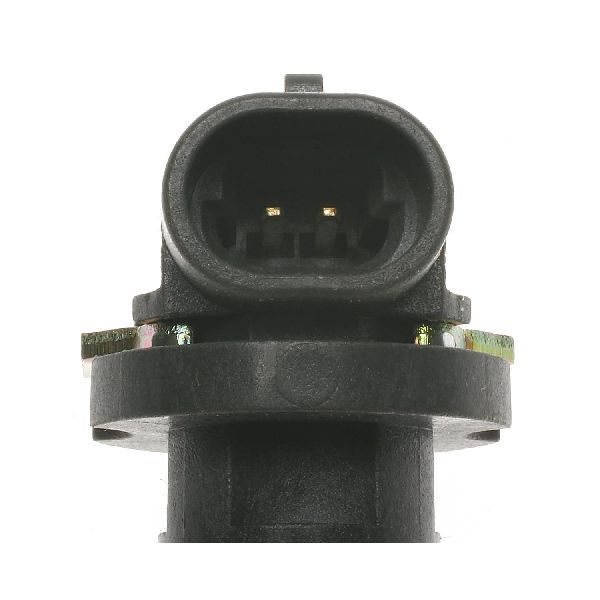
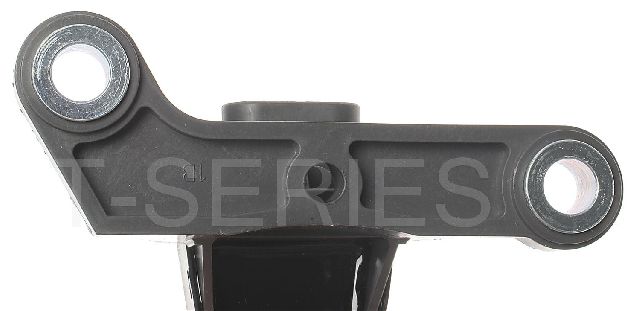
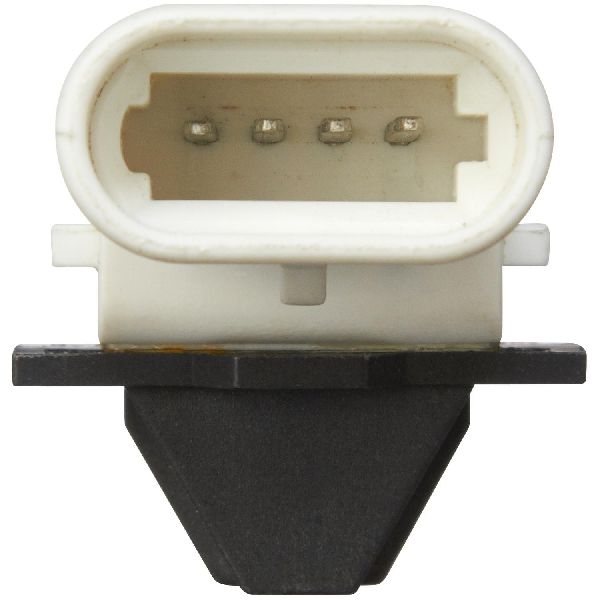
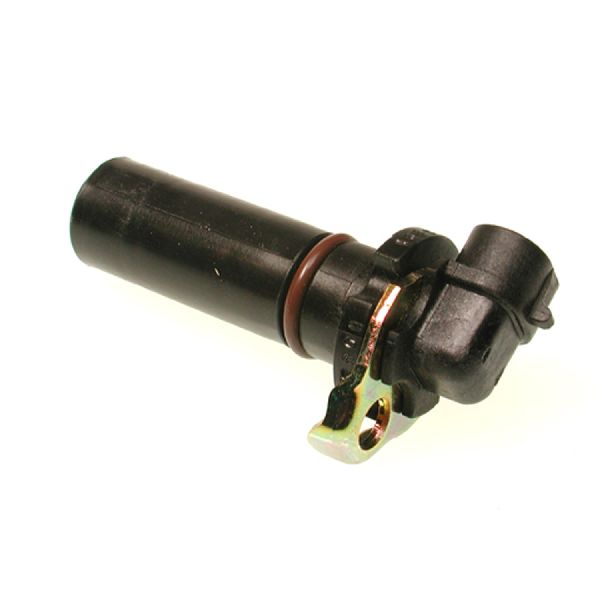
The sensor is typically a magnetic or Hall-effect type. The physical design and mounting points vary significantly depending on the engine (e.g., 2.5L I4, 3.1L V6, 3.3L V6). Some are located on the front of the engine behind the harmonic balancer, while others may be on the side of the engine block.
We Have This Part in Stock


The information in this article is provided for general reference and educational purposes only. Vehicle specifications, procedures, and part compatibility can vary by production date, trim level, and region. Always consult your vehicle's factory service manual and verify part numbers before purchasing or performing repairs. Safety-critical components such as airbags, seat belts, and braking systems should be installed by a qualified professional.
- Buick Century:
- 🎬 Helpful Videos
- 🛍️ Shop This Part
- Why is the Crankshaft Sensor so Important on a Buick Century?
- Symptoms of a Failing Crankshaft Position Sensor
- Common Ordering Mistake: Engine Differences
- Choosing the Right Aftermarket Sensor
- Pro Tip: The Harmonic Balancer
- Frequently Asked Questions (FAQ)
- 🎟️ Get 5% Off