

Chevrolet Astro Oxygen Sensor Guide for 1985-1995 Models
Keep your Astro's engine running smoothly by understanding its oxygen sensor.
- Your 1985-1995 Astro uses a simple OBD-I system with one or two O2 sensors.
- A bad sensor will cause poor gas mileage, rough running, and will trigger the 'Service Engine Soon' light (often Code 13).
- Driving with a bad sensor can damage your catalytic converter over time, a much more expensive repair.
- High-quality aftermarket brands like ACDelco, Denso, NGK, and Bosch are reliable choices for this van.
Is Your Astro's Oxygen Sensor Failing?
Over time, oxygen sensors wear out. They live in a harsh environment of hot exhaust gases. Contaminants like burnt oil or coolant can also shorten their life. When your Astro's O2 sensor starts to fail, it can't send accurate information to the engine's computer. This can lead to a variety of noticeable problems.
Don't Ignore a Failing Sensor
While you can drive with a bad oxygen sensor, it's not a good idea for long. A faulty sensor can cause poor fuel economy and rough running. More seriously, it can lead to expensive damage to your catalytic converter over time. Replacing the sensor is much cheaper than replacing a catalytic converter.
Choosing the Right Aftermarket Oxygen Sensor
For your 1985-1995 Astro, you have several good aftermarket options. Since these vans are from the OBD-I era, they use a simple, single-wire or three-wire heated sensor, making replacement straightforward. There is no significant quality difference between OEM and high-quality aftermarket sensors for this application.
Brand Tiers
- Premium Brands (ACDelco, Denso, NGK): ACDelco is the original GM parts brand and is always a reliable choice. Denso and NGK are top-tier Japanese manufacturers known for making high-quality sensors that often meet or exceed OEM specifications. You can't go wrong with these brands for reliability and longevity.
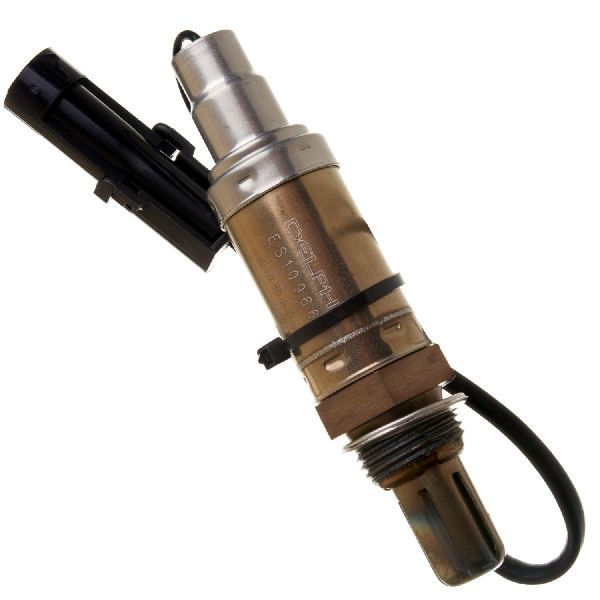
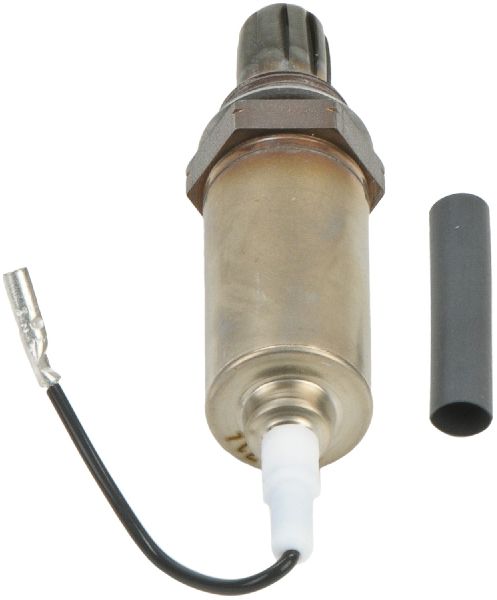
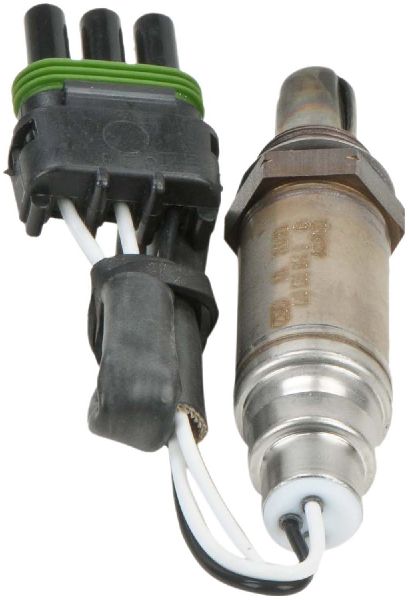
- Professional-Grade Brands (Bosch, Delphi): Bosch is a well-respected German brand that invented the automotive oxygen sensor. Delphi, a spin-off from GM, also produces quality electronic parts. These are solid choices trusted by many mechanics.
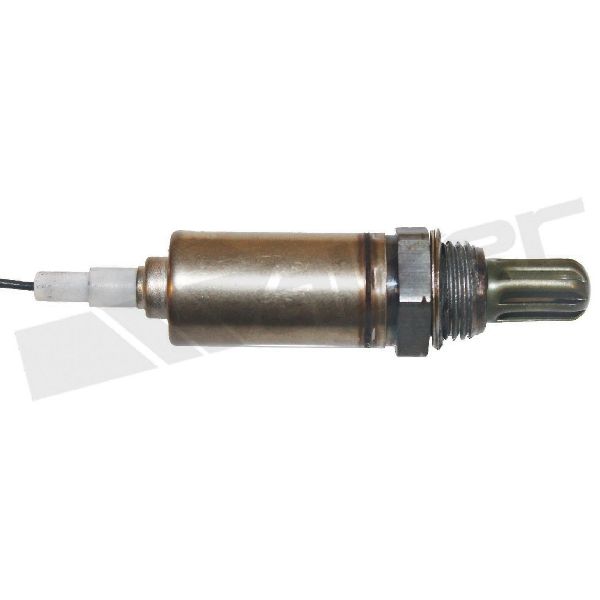
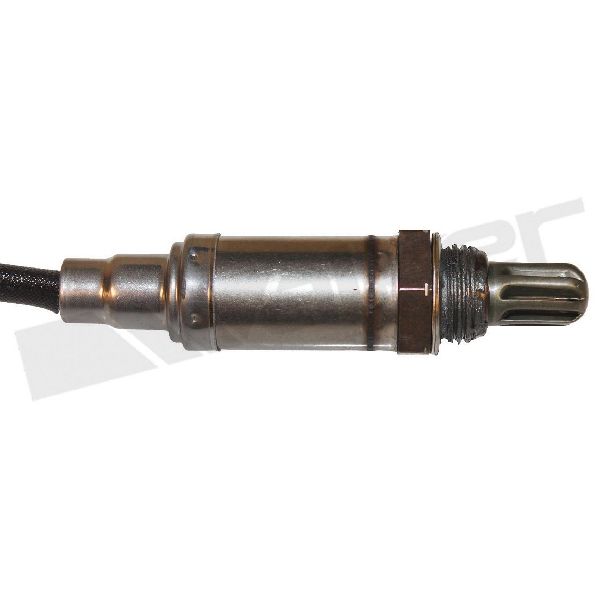
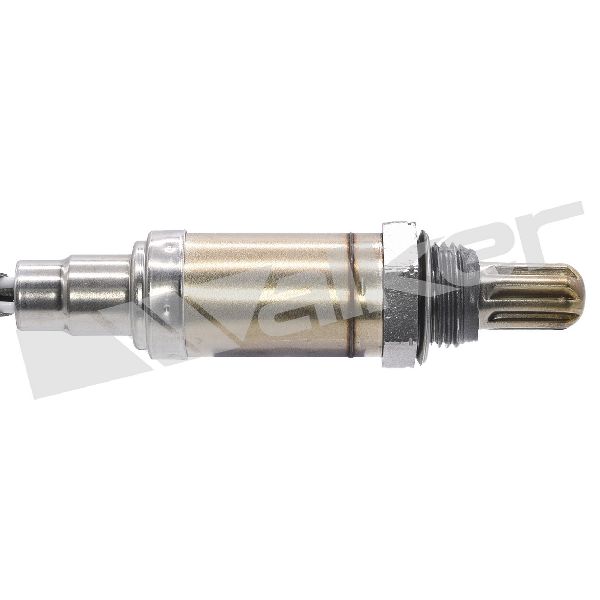
- Standard Aftermarket (Walker Products): Walker is a well-known name in the aftermarket for exhaust and emission components. Their sensors offer a good balance of price and performance.
- Economy Brands (DriveWire): These brands provide a budget-friendly option. While they will function correctly, their lifespan may not be as long as the premium or professional-grade brands. They are a viable choice if the initial cost is the primary concern.
| Part Type | Estimated Cost |
|---|---|
| New Aftermarket | $28.13 - $91.74 |
| New OEM (ACDelco) | $50 - $100 |
| Shop Labor | $60 - $120 |
Pro Tip: Get the Right Tool
Oxygen sensors can be very tight in the exhaust pipe due to rust and heat cycles. Using a special O2 sensor socket, which has a slot for the wire, makes the job much easier and prevents damage to the new sensor's wiring.
Frequently Asked Questions (FAQ)
How many oxygen sensors does my 1985-1995 Astro have?
Most Astros from this generation have only one or two oxygen sensors. Unlike modern vehicles, the OBD-I system was simpler. One sensor is typically located upstream (before the catalytic converter) in the exhaust pipe. Some later models in this range may have a second sensor.
Where is the oxygen sensor located?
The primary (upstream) oxygen sensor is screwed into the exhaust pipe, usually on the driver's or passenger's side, between the engine's exhaust manifold and the catalytic converter. On some models, accessing it may require removing a heat shield or the interior engine cover ('doghouse').
What is an OBD-I code for a bad oxygen sensor?
For these pre-1996 GM vehicles, the most common code for an oxygen sensor issue is Code 13, which indicates an open circuit or no activity from the sensor. You might also see Code 44 (lean exhaust) or Code 45 (rich exhaust), which can also point to a sensor problem.
Why did my check engine light come on after replacing the sensor?
If a code like Code 13 returns after replacement, the issue might not be the sensor itself. It could be a problem with the wiring, the connector, or a bad ground. Always inspect the wiring and connector for corrosion or damage when replacing the sensor.
Technical Specifications
OEM Part Numbers: 25162700 25105133 10042182
Typically a single-wire or three-wire heated sensor designed for GM's OBD-I system.
We Have This Part in Stock

The information in this article is provided for general reference and educational purposes only. Vehicle specifications, procedures, and part compatibility can vary by production date, trim level, and region. Always consult your vehicle's factory service manual and verify part numbers before purchasing or performing repairs. Safety-critical components such as airbags, seat belts, and braking systems should be installed by a qualified professional.
- Chevrolet Astro: