

Chevrolet Astro Power Steering Pump (1985-1995): A Complete Replacement Guide
Address whining noises and stiff steering in your 1985-1995 Astro van by understanding your power steering pump options.
- A failing pump on an Astro can cause both stiff steering and a hard brake pedal if equipped with hydro-boost.
- Replacement requires a special power steering pulley puller/installer tool, which can be rented.
- Aftermarket quality, especially for remanufactured units from brands like Cardone, can be inconsistent.
- Bleeding the air out of the system after installation is critical to prevent noise and damage to the new pump.
Is Your Astro's Power Steering Pump Failing?
A power steering pump on a 1985-1995 Chevrolet Astro is a durable part, but after decades of service, leaks and wear are common. When the pump fails, it gives clear warning signs. Ignoring them can lead to a complete loss of steering assist, which makes the van very difficult to control, especially at low speeds.
Key Symptoms of a Bad Pump:
- Whining or Groaning Noises: The most common sign is a whining noise that gets louder when you turn the steering wheel. This is often the first indication of low fluid, air in the system, or a worn-out pump.
- Stiff or Heavy Steering: If turning the wheel suddenly requires a lot of muscle, the pump is no longer providing enough hydraulic pressure.
- Hard Brake Pedal (Hydro-Boost Models): If your Astro has hydro-boost brakes, a failing power steering pump will also make the brake pedal very hard to press. This is a serious safety issue, as both systems can fail at the same time.
- Fluid Leaks: You may see reddish or brown fluid puddles under the front of your van. The pump itself may look wet or grimy from leaking fluid.
Hydro-Boost Safety Warning
Many Astros use a hydro-boost brake system powered by the power steering pump. If your pump fails, you will lose power assist for both steering AND brakes, requiring significantly more effort to stop the vehicle. If you experience a stiff brake pedal along with steering problems, address the issue immediately.
Choosing the Right Aftermarket Pump
For a vehicle from this era, genuine OEM parts are often discontinued. The market is dominated by new aftermarket and remanufactured parts. Here’s what you need to know about the common brands available.
New vs. Remanufactured Aftermarket Parts
New aftermarket pumps are built from all-new components. They often come with a better warranty and are generally considered more reliable out of the box.
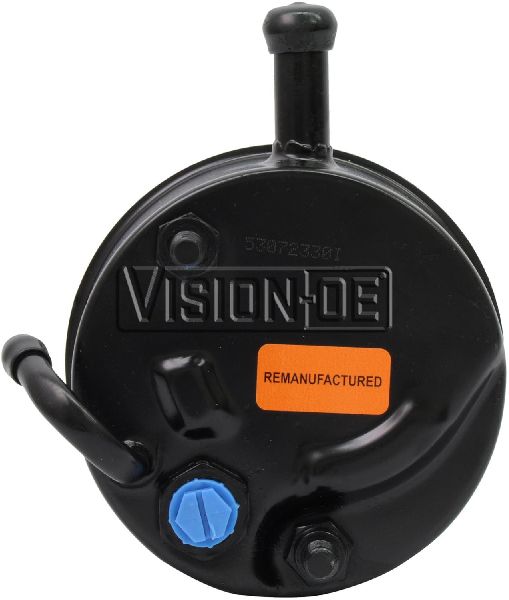
Remanufactured pumps (from brands like Cardone and BBB Industries) are original units that have been rebuilt with new seals, O-rings, and other wear components. They are a budget-friendly option, but quality can be inconsistent. Forum discussions reveal that some users have had to replace remanufactured pumps multiple times before getting a good one. This can lead to frustration and repeated labor costs if you're not doing the job yourself.
A Note on Cardone and BBB Industries
Cardone is a major supplier of remanufactured parts, but their power steering pumps have a mixed reputation among DIY mechanics, with some reporting premature failures. BBB Industries is another option, though some forum users have noted that the two brands may be related or even share manufacturing, sometimes resulting in a Cardone part arriving in a BBB box. When choosing a remanufactured part, be sure to check the warranty and be prepared for the possibility of a defect.
Installation and Cost
Replacing the power steering pump on a 1985-1995 Astro is a manageable DIY job for someone with mechanical experience. However, it requires a special tool.
| Item | Estimated Cost |
|---|---|
| New Aftermarket Pump | $79.89 - $220.43 |
| Shop Labor | $200 - $300 |
| Total Professional Replacement | $280 - $520 |
Special Tool Required!
You cannot remove or install the pulley from the pump shaft without a specific Power Steering Pulley Puller/Installer tool. Attempting to use a standard gear puller or hammering the pulley on will damage the pulley and the new pump. This tool can be rented from most auto parts stores.
Frequently Asked Questions
Do I need to replace the reservoir or pulley?
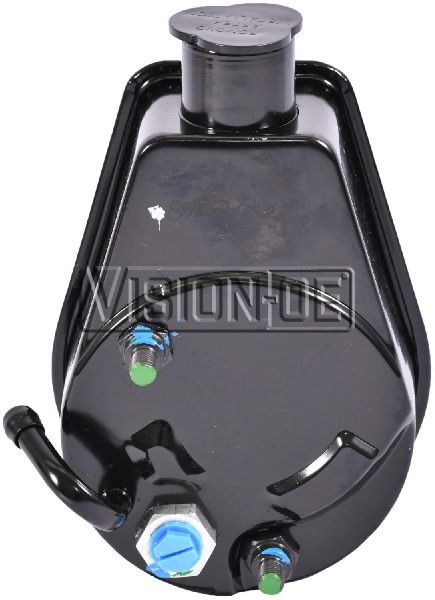
Most new and remanufactured pumps for the Astro do not include the fluid reservoir or the pulley. You will need to transfer them from your old pump. Inspect the pulley for cracks or damage before reinstalling it.
Why are my brakes and steering failing at the same time?
This happens on models equipped with a hydro-boost brake system. The power steering pump powers both systems, so a pump failure affects both. This is a critical safety issue that requires immediate attention.
What is bleeding the system and is it necessary?
Yes, it is absolutely necessary. After installing the new pump, air gets trapped in the lines. You must bleed the system to remove this air, which can cause noise and damage the new pump. The process involves filling the reservoir and turning the steering wheel from lock to lock several times with the engine off, then repeating with the engine on, while keeping the reservoir topped up.
Should I replace the hoses at the same time?
It's a very good idea. The hoses are the same age as the pump and can become brittle or cracked. Replacing them while you have the system open is a smart preventive measure that can save you from having to do the job again later.
Technical Specifications
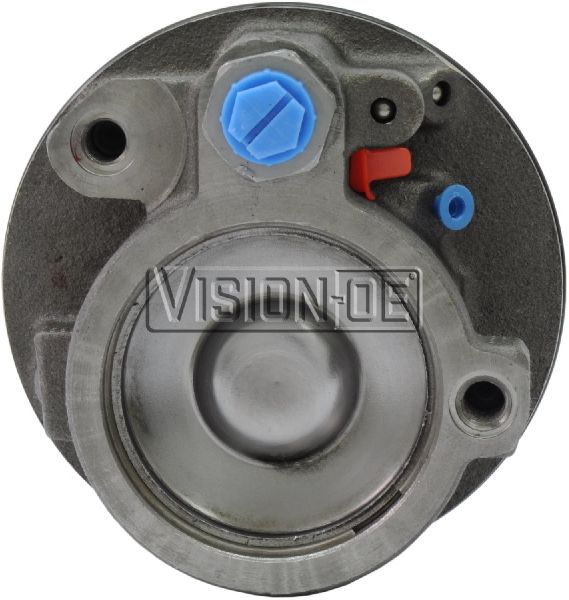
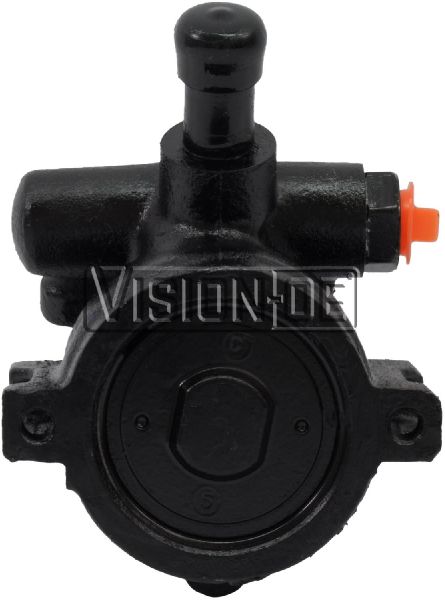
This is a belt-driven hydraulic pump. Most aftermarket options are sold without the pulley or the remote fluid reservoir, which must be transferred from the old unit. A specific pulley puller/installer tool is required for service.
We Have This Part in Stock



The information in this article is provided for general reference and educational purposes only. Vehicle specifications, procedures, and part compatibility can vary by production date, trim level, and region. Always consult your vehicle's factory service manual and verify part numbers before purchasing or performing repairs. Safety-critical components such as airbags, seat belts, and braking systems should be installed by a qualified professional.
- Chevrolet Astro:
- 🛍️ Shop This Part
- Is Your Astro's Power Steering Pump Failing?
- Key Symptoms of a Bad Pump:
- Hydro-Boost Safety Warning
- Choosing the Right Aftermarket Pump
- New vs. Remanufactured Aftermarket Parts
- A Note on Cardone and BBB Industries
- Installation and Cost
- Special Tool Required!
- Frequently Asked Questions
- 🎟️ Get 5% Off