

Chevrolet Astro Throttle Position Sensor Guide for 1985-1995 Models
Fixing hesitation, stalling, and poor shifting in your first-generation Astro van starts here.
- A bad TPS is a very common cause of hesitation, stalling, and poor shifting on 1985-1995 Astros.
- Replacement is an easy DIY job that takes less than 30 minutes with basic tools.
- For reliability, choose a premium aftermarket brand like ACDelco, Standard Ignition (SMP), or NGK.
- Visually match your old part's electrical connector before buying to ensure compatibility.
Is a Failing Throttle Position Sensor Causing Your Astro's Problems?
If your 1985-1995 Chevrolet Astro is running rough, hesitating, or shifting poorly, a bad throttle position sensor is a very common culprit. Because these vans use a Throttle Body Injection (TBI) system, they are extremely sensitive to the information from the TPS. When the sensor wears out, it sends erratic or incorrect voltage signals to the engine's computer, leading to a wide range of drivability issues that can often be mistaken for more serious problems.
Symptoms of a Bad TPS on a First-Gen Astro
A failing TPS creates a classic set of symptoms on these vans. You may experience one or more of the following:
- Hesitation or Stumbling: The van may bog down, hesitate, or feel like it's about to stall when you press the accelerator.
- Poor or No Acceleration: It might feel like the van has lost significant power, accelerating very slowly even with the pedal pushed down.
- Rough or High Idle: The engine may idle erratically, surge up and down, or idle too high. It can also cause stalling when you come to a stop.
- Erratic Shifting: Because the TPS helps control shift points, a bad sensor can cause the transmission to shift late, hard, or at the wrong times. This is often misdiagnosed as a transmission failure.
- Sudden Surges: The van might unexpectedly speed up or lurch without you pressing the pedal further, creating a dangerous situation in traffic.
- 'Service Engine Soon' Light: A bad TPS will often trigger the check engine light. For these OBD-I vehicles, this usually means a Code 21 (signal voltage too high) or Code 22 (signal voltage too low) is stored in the computer.
Known Issues for This Vehicle
As of early 2026, there are no specific NHTSA recalls or Technical Service Bulletins (TSBs) for the throttle position sensor on the 1985-1995 Chevrolet Astro. The primary issue is simply failure due to age. The internal electronic components wear out over time, causing the signal to become unreliable.
Choosing the Right Aftermarket TPS Brand
Since original GM parts for this van are mostly discontinued, you will be choosing from aftermarket brands. For a critical sensor like the TPS, quality matters. A cheap, poorly made sensor can have incorrect voltage readings right out of the box, causing the same problems you're trying to fix. Investing in a quality part is highly recommended.
| Brand Tier | Brands | Notes |
|---|---|---|
| Premium / OEM-Equivalent | ACDelco, Standard Ignition (SMP), NGK (NTK Sensors), Delphi | ACDelco was the original equipment supplier for GM and is the top choice for fit and function. Standard Ignition and NGK/NTK are highly respected brands known for producing electronics that meet or exceed original specifications. Delphi is another excellent OEM supplier. These are your most reliable options. |
| Standard Aftermarket | Walker Products, Beck Arnley | These brands are well-known in the aftermarket and offer a good balance of quality and price. They are a solid choice for a daily driver or a budget-conscious repair. |
| Value / Economy | Dorman, Replacement, True Tech, Global Parts, Motorad | These brands offer the lowest price point. While functional, some users report issues with incorrect voltage ranges or premature failure. They may be suitable for a quick fix, but long-term reliability can be a gamble. |
Pro Tip: Check Your Connector!
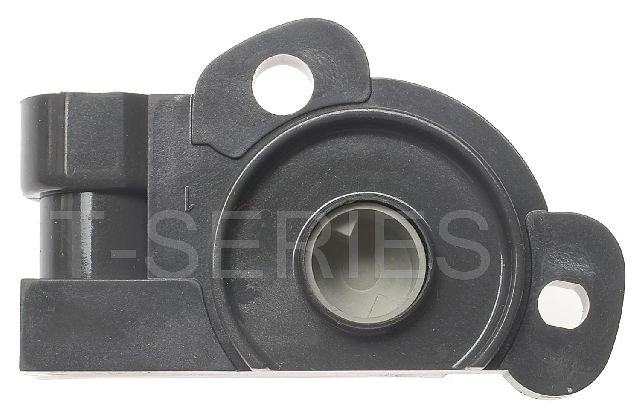
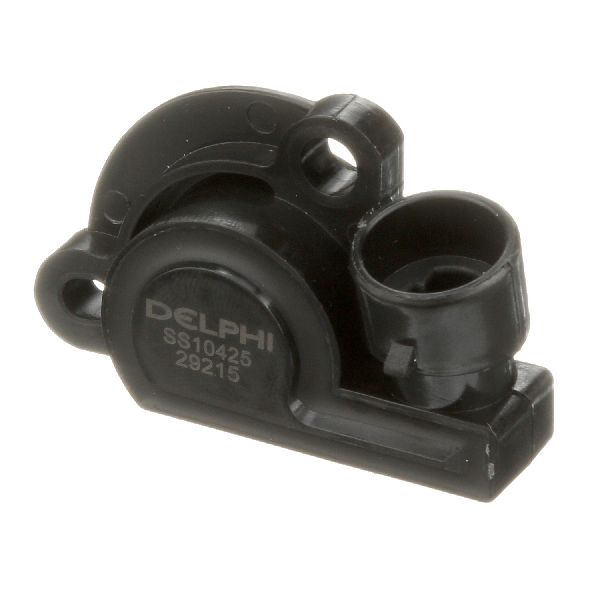
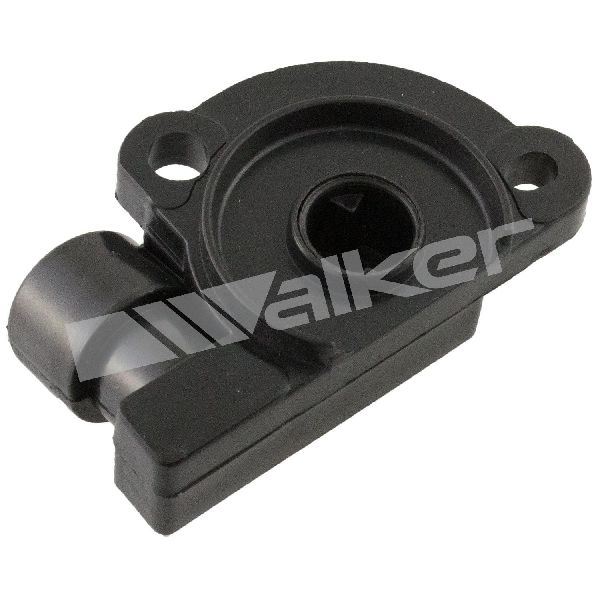
Before you buy, look at the electrical connector on your original TPS. During the 1985-1995 production run, GM used different connector styles (such as Metri-Pack vs. Weather-Pack). Visually matching the new part's connector to your old one is the most important step to ensure you get the right part and avoid a return trip.
Cost to Replace a Chevrolet Astro TPS
The cost consists of the part itself and labor if you have a shop perform the work. Given the ease of replacement, this is a great DIY project to save money.
| Item | Estimated Cost |
|---|---|
| New Aftermarket Part | $23.76 - $118.92 |
| New OEM (ACDelco) Part | $60 - $90 |
| Shop Labor | $50 - $150 |
| Total (Shop Repair) | $154 - $260 |
Frequently Asked Questions (FAQ)
Where is the TPS located on my 1985-1995 Astro?
The throttle position sensor is mounted directly on the side of the throttle body. You can find it by removing the large, round air cleaner assembly on top of your engine. The TPS is a small, black plastic component with a 3-wire electrical connector.
Is replacing the TPS a difficult job?
No, this is a very easy job for a DIY mechanic and a great place to start if you're new to repairs. It involves removing the air cleaner, unplugging one electrical connector, and removing two small screws (usually Torx or hex bolts). The entire process typically takes less than 30 minutes.
Do I need to adjust or 'relearn' the new sensor?
For this generation of Astro, no special computer relearn procedure is required. However, after installing the new sensor, it is good practice to disconnect the negative battery terminal for about 15 minutes. This clears the ECM's memory and allows it to adapt to the new sensor's readings when you restart the van. Some older sensors had slotted mounting holes for minor adjustment with a multimeter, but most modern replacements are fixed.
Can a bad TPS really feel like a transmission problem?
Yes, absolutely. The ECM uses the TPS signal to help control transmission shift points. A bad sensor sending erratic signals can cause hard shifts, delayed shifts, or prevent the transmission from downshifting when you accelerate. Many owners have been concerned about their transmission when the actual problem was a simple, inexpensive TPS.
Technical Specifications
OEM Part Numbers: 17087653 17106682 17111471 17111822 17112404 17112679 19143600
3-wire potentiometer sensor mounted to the throttle body. Operates on a 5-volt reference signal. Output voltage varies from approximately 0.5V (idle) to 4.5V (wide-open throttle).
We Have This Part in Stock


The information in this article is provided for general reference and educational purposes only. Vehicle specifications, procedures, and part compatibility can vary by production date, trim level, and region. Always consult your vehicle's factory service manual and verify part numbers before purchasing or performing repairs. Safety-critical components such as airbags, seat belts, and braking systems should be installed by a qualified professional.
- Chevrolet Astro:
- 🛍️ Shop This Part
- Is a Failing Throttle Position Sensor Causing Your Astro's Problems?
- Symptoms of a Bad TPS on a First-Gen Astro
- Known Issues for This Vehicle
- Choosing the Right Aftermarket TPS Brand
- Pro Tip: Check Your Connector!
- Cost to Replace a Chevrolet Astro TPS
- Frequently Asked Questions (FAQ)
- 🎟️ Get 5% Off