

Chevrolet G20 1985-1995 Automatic Transmission Mount Replacement Guide
Eliminate clunks and vibrations from your G20's drivetrain by choosing the right replacement transmission mount.
- A clunk when shifting or a new vibration are the most common signs of a bad transmission mount on a G20.
- Budget rubber mounts (Anchor, DEA, Westar) are cheap but have a reputation for poor quality and short lifespan.
- Polyurethane mounts (Prothane) are extremely durable but will make the ride noticeably noisier and increase vibrations.
- It is strongly recommended to inspect and replace the two engine mounts at the same time as the transmission mount.
Signs of a Failing Transmission Mount in a G20
Because the G20 is a body-on-frame van, a bad transmission mount can make itself known very clearly. The original rubber mount degrades over decades, becoming soft, cracked, or completely separated. When it fails, the transmission is no longer held securely in place.
Common symptoms include:
- Clunking or Banging Noises: You may hear a distinct "clunk" or "bang" from the center of the van when you shift from Park into Drive or Reverse. This noise can also happen when you accelerate or brake suddenly as the transmission shifts and hits the frame.
- Excessive Vibration: A constant or new vibration felt in the floor, steering wheel, or seat is a classic sign. This happens because the failed mount can no longer absorb the normal vibrations of the transmission. On a G20, this might be most noticeable between 30-55 mph under acceleration.
- Drivetrain Movement: A mechanic can check for a bad mount by using a pry bar to see if the tail of the transmission lifts off the crossmember. Excessive movement can stress other parts, including driveshaft U-joints and engine mounts.
Don't Mistake It for Other Problems
The symptoms of a bad transmission mount can sometimes feel like a failing U-joint (vibration under acceleration) or an engine problem. If you replace the mount and still have issues, inspect the U-joints and engine mounts next.
Choosing the Right Aftermarket Mount
For a 1985-1995 G20, you have two main choices for an aftermarket transmission mount: standard rubber or performance polyurethane.
Tier 1: Standard Rubber Mounts
Brands: Anchor, DEA, Westar, Pioneer
These brands offer direct, OE-style replacements made from rubber. They are the most affordable option and are designed to provide a smooth, factory-like ride. However, online forums and reviews for brands like Anchor, DEA, and Westar show very mixed results regarding quality and durability. Many users across various vehicle platforms report these mounts failing much sooner than the original parts, sometimes within a year. While some have no issues, the general consensus is that quality can be inconsistent. Pioneer is sometimes mentioned as a slightly better quality rubber alternative.
- Best for: Owners on a tight budget who need a quick fix and are willing to accept the risk of a shorter lifespan.
Tier 2: Performance Polyurethane Mounts
Brands: Prothane, Lakewood
Polyurethane is a much stronger and more durable material than rubber. A Prothane mount will control drivetrain movement much better than a stock mount and will resist damage from oil and chemicals. The trade-off is a significant increase in Noise, Vibration, and Harshness (NVH). Because the material is so stiff, more vibrations from the transmission will be transferred into the van's frame and cabin. While this gives a more connected, performance feel, it can be too harsh for a daily driver or work van.
- Best for: Owners with modified engines, those who use their van for heavy-duty work, or anyone who prioritizes durability over a quiet, smooth ride.
Pro Tip: Check Your Engine Mounts
The engine and transmission mounts work together as a system. A failed transmission mount puts extra stress on the two engine mounts, and vice-versa. If your transmission mount is broken, it's very likely your original engine mounts are also worn out. It is highly recommended to inspect and likely replace all three mounts at the same time for the best results.
Estimated Costs for Replacement
| Part Type | Estimated Cost |
|---|---|
| New Aftermarket (Rubber) | $7 - $20 |
| New Aftermarket (Polyurethane) | $30 - $40 |
| Shop Labor | $100 - $200 |
| Total (Shop Installed) | $110 - $240 |
Cost estimates are for the part and labor only and do not include taxes, fees, or other related repairs.
Frequently Asked Questions
How many transmission mounts does a 1985-1995 G20 have?
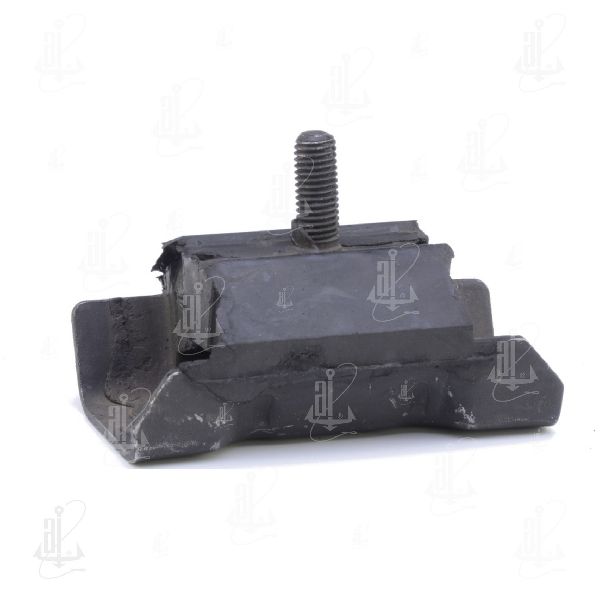
The Chevrolet G20 of this generation has one automatic transmission mount. It is located at the rear of the transmission, connecting it to a removable frame crossmember.
What's the difference between a rubber and a polyurethane mount?
Rubber mounts are soft and provide the best vibration absorption for a smooth, quiet ride, but they can wear out faster. Polyurethane mounts are very stiff and durable, offering better performance and longevity, but they transmit much more noise and vibration into the vehicle.
Is it hard to replace the transmission mount myself?
For a DIY mechanic with the right tools, this is a relatively easy job. It requires safely lifting the vehicle on jack stands, supporting the transmission pan with a floor jack and a block of wood, and removing a few bolts. The entire process can typically be done in 1 to 1.5 hours.
Should I replace my engine mounts at the same time?
Yes, it is highly recommended. The engine and transmission mounts all share the load of the drivetrain. If one has failed due to age, the others are likely in poor condition as well. Replacing all of them at once ensures the entire system is stable and prevents a newly replaced mount from failing prematurely due to stress from old, worn-out mounts.
Technical Specifications
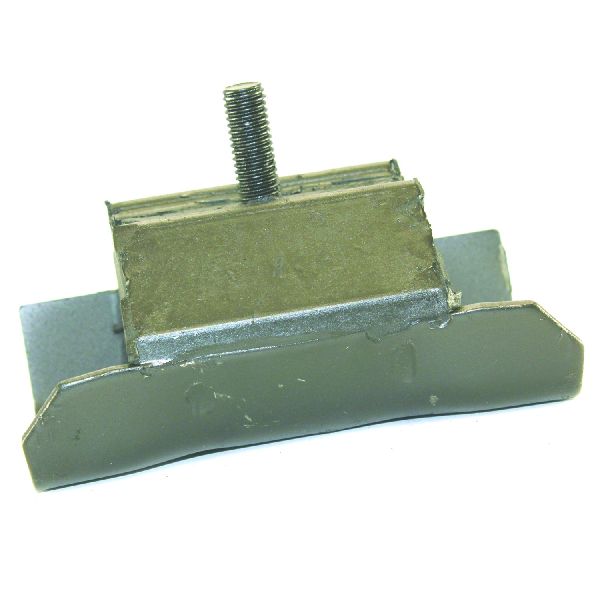
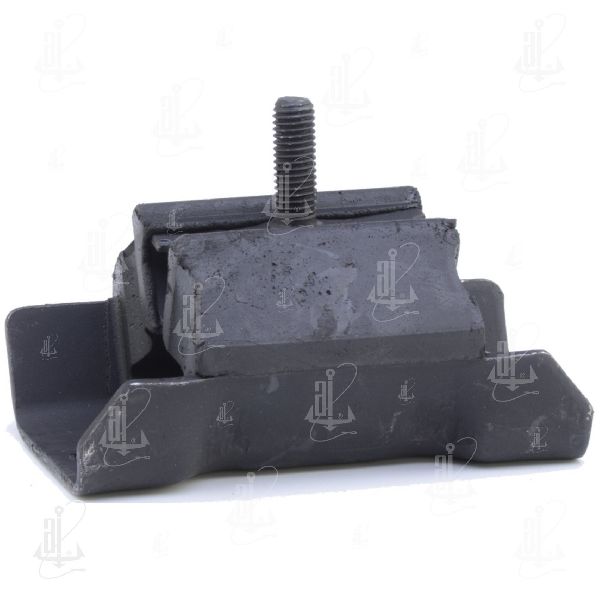
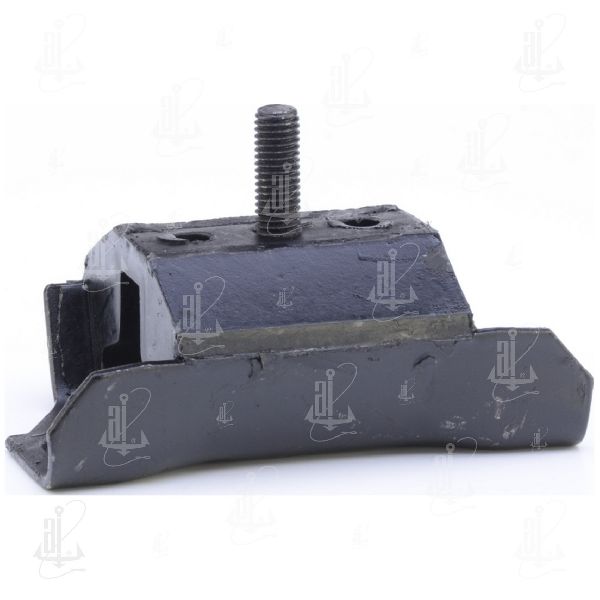
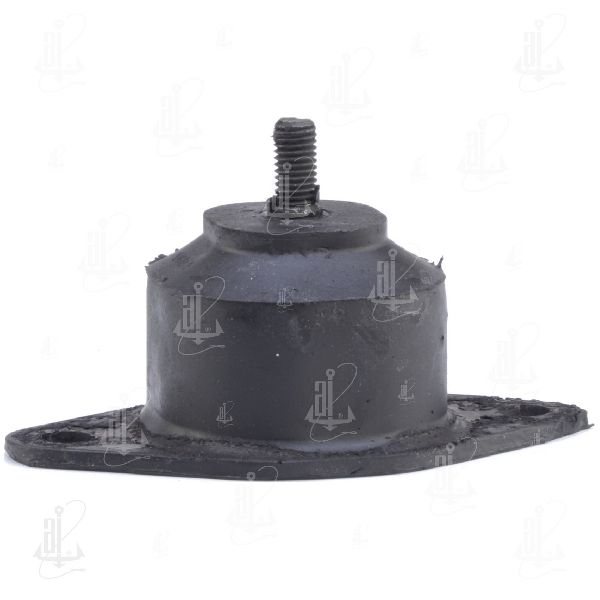
The 1985-1995 Chevrolet G20 uses a single rear transmission mount that bolts to the transmission tail housing and the frame crossmember.
We Have This Part in Stock

The information in this article is provided for general reference and educational purposes only. Vehicle specifications, procedures, and part compatibility can vary by production date, trim level, and region. Always consult your vehicle's factory service manual and verify part numbers before purchasing or performing repairs. Safety-critical components such as airbags, seat belts, and braking systems should be installed by a qualified professional.
- Chevrolet G20:
- 🛍️ Shop This Part
- Signs of a Failing Transmission Mount in a G20
- Don't Mistake It for Other Problems
- Choosing the Right Aftermarket Mount
- Tier 1: Standard Rubber Mounts
- Tier 2: Performance Polyurethane Mounts
- Pro Tip: Check Your Engine Mounts
- Estimated Costs for Replacement
- Frequently Asked Questions
- 🎟️ Get 5% Off