

GMC C3500 1985-1995 Catalytic Converter Replacement Guide
Everything you need to know before replacing the catalytic converter on your Square Body or GMT400 C3500 truck.
- First, identify if your truck is a 'Square Body' or 'GMT400' generation, as the exhaust parts are different.
- Visually confirm if your heavy-duty truck was built with a catalytic converter; some were not.
- Prepare for a difficult removal process due to heavily rusted exhaust bolts that will likely require cutting.
- Always diagnose and fix the root cause of the failure (like engine misfires) before installing a new converter.
Is it a Square Body or a GMT400? Know Your Truck First
The 1985-1995 model years cover two different generations of GMC trucks, which have different exhaust systems. Before buying a part, you must know which truck you have.
- 1985-1987 (and some later models): "Square Body" C3500. These are the third-generation C/K trucks. During this era, emissions rules were different, especially for heavy-duty trucks. It is possible that your C3500, depending on its original Gross Vehicle Weight Rating (GVWR), may not have been equipped with a catalytic converter from the factory. Always inspect your current exhaust system before ordering parts.
- 1988-1995: GMT400 C3500. These trucks have a more modern design and almost always came with a catalytic converter to meet federal emissions standards. The exhaust system on many V8 models from this era uses a Y-pipe design that collects exhaust from both manifolds and routes it into a single converter.
Symptoms of a Failing Catalytic Converter
Since most trucks in this year range use an OBD-I diagnostic system, you may not get a specific "P0420" code like on newer vehicles. You need to rely on physical symptoms to diagnose a bad converter.
- Serious Loss of Power: This is the most common sign. If the converter is clogged, exhaust gas can't escape efficiently, creating backpressure that chokes the engine. You'll notice the truck feels extremely sluggish and struggles to accelerate or climb hills.
- Rattling Noise Under the Truck: The ceramic honeycomb inside the converter can break apart with age and vibration. When this happens, you'll hear a rattling sound from the exhaust, which can be mistaken for a loose heat shield. These loose pieces can travel downstream and clog the muffler.
- Rotten Egg Smell: A strong sulfur or "rotten egg" smell from the tailpipe means the converter is no longer properly processing the sulfur in the fuel.
- Failing Emissions Test: If you live in an area that requires emissions testing for older vehicles, a failed test is a clear sign the converter is not doing its job.
Fix the Root Cause First!
Catalytic converters don't usually fail on their own. They are most often destroyed by an engine problem. Common causes include engine misfires (from bad spark plugs or wires), a rich fuel mixture (from a bad sensor or carburetor issue), or coolant/oil leaking into the exhaust. If you don't fix the underlying problem, your new converter will fail quickly.
Choosing the Right Aftermarket Converter
Original OEM converters for these trucks are either discontinued or extremely expensive. Aftermarket parts are the most practical and affordable solution. They fall into a few general tiers.
Tier 1: Performance & Durability (MagnaFlow)
MagnaFlow is a well-regarded brand known for stainless steel construction and high-flow designs. They are a good choice if you're looking for long-term durability or a slight performance improvement. Many professional exhaust shops prefer them. While they are often more expensive, their build quality generally justifies the cost.
Tier 2: OEM-Style Direct Fit (Walker Exhaust)
Walker is one of the most trusted names for standard replacement exhaust parts. Their converters are typically designed to be a direct-fit replacement for the original part, with correct hangers and flange locations, making installation easier. While their fit is often praised, some users in online forums mention that they may not have the same lifespan or corrosion resistance as an OEM or premium stainless steel part.
Tier 3: Budget-Friendly (AP Exhaust, Eastern Catalytic)
Brands like AP Exhaust and Eastern Catalytic offer functional, affordable replacements that will get your truck back on the road and pass emissions. They are a good option if budget is your primary concern. While perfectly adequate, their materials and internal catalyst loading may not be as robust as more expensive brands, potentially leading to a shorter service life.
Direct-Fit vs. Universal Converters
For the GMT400 trucks (1988-1995), a direct-fit Y-pipe assembly is the easiest option, as it's designed to bolt right in. A universal converter is just the converter body itself and requires cutting the old one out and welding the new one in place. This adds labor and complexity but can sometimes be cheaper. For most DIY mechanics, a direct-fit part is worth the extra cost.
Catalytic Converter Replacement Cost for 1985-1995 GMC C3500
| Part Type | Estimated Cost |
|---|---|
| New Aftermarket Converter | $119.00 - $1022.99 |
| Shop Labor | $150 - $400 |
| Total Estimated Cost | $269.00 - $1422.99 |
Costs are estimates and can vary based on your location, the specific part required, and the condition of your vehicle's hardware.
Frequently Asked Questions (FAQ)
Does my heavy-duty C3500 even have a catalytic converter?
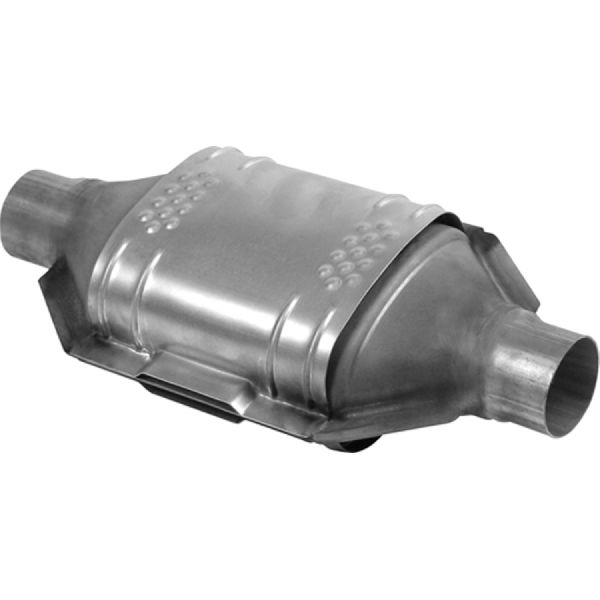
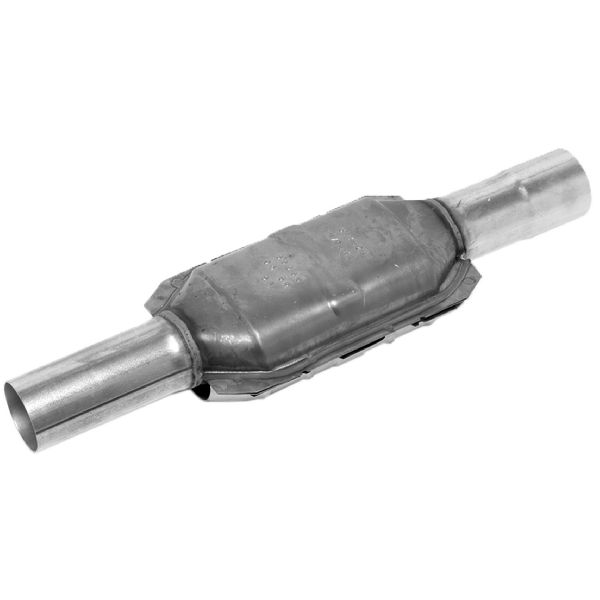
Maybe not. For models in the 1980s, trucks with a high Gross Vehicle Weight Rating (GVWR) were often exempt from federal converter requirements. You must visually inspect your exhaust system. If there is a canister-like object between the engine's exhaust manifolds and the muffler, that is your converter.
Do I need to replace my oxygen sensor at the same time?
It's a very good idea. The oxygen sensor (O2 sensor) works with the converter and is located just before it on these trucks. A lazy or failing O2 sensor can cause a rich fuel condition that will damage your new converter. Since you are already working on the exhaust, replacing it is cheap insurance.
Is this a hard job to do myself?
The job itself is just unbolting the old part and bolting on the new one. However, after decades of heat cycles and exposure to the elements, the exhaust bolts and nuts will be extremely rusted and seized. Be prepared with a torch, penetrating oil, breaker bars, and possibly a grinder to cut the old bolts off. If you are not equipped to deal with stubborn, rusted hardware, it's best to leave this job to a professional shop.
Do I need a CARB-compliant converter?
For a vehicle of this age, you typically only need a CARB-compliant converter if you are registering the vehicle in a state with strict emissions laws like California or New York. For most other states, a standard Federal/EPA-compliant converter is sufficient. Always check your local regulations before purchasing.
Technical Specifications
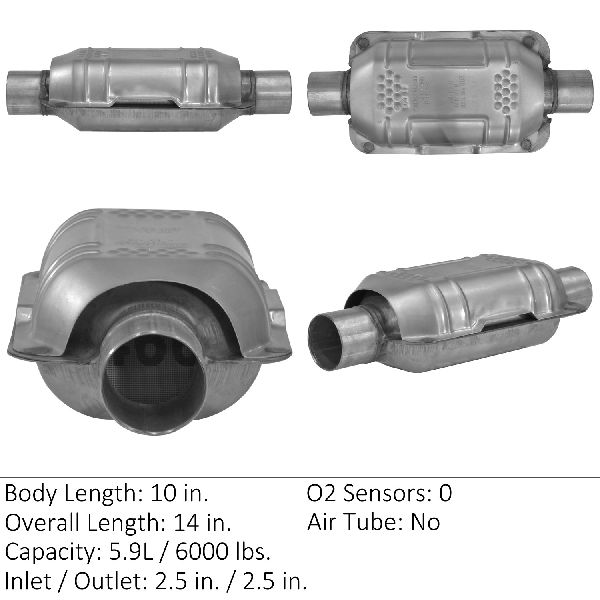
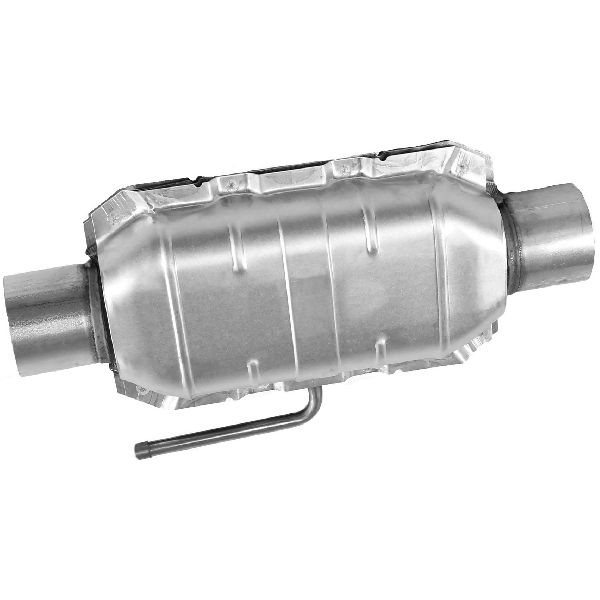
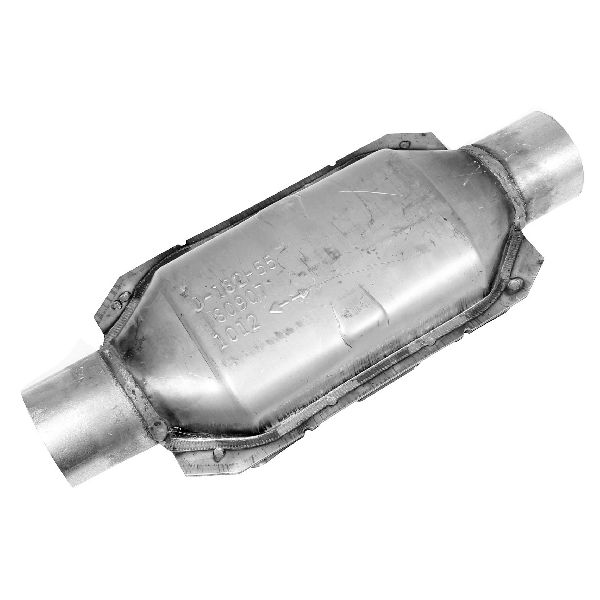
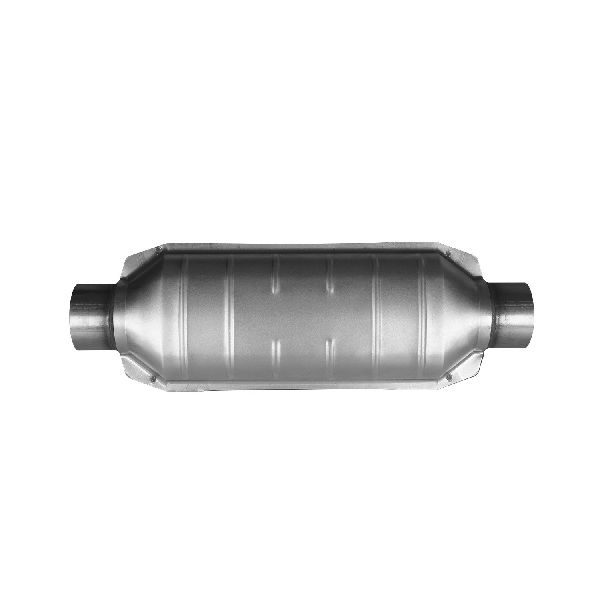
Configuration varies by year, engine, and wheelbase. Key specifications are direct-fit vs. universal, inlet/outlet diameter, and overall length. For 1988-1995 V8 models, this is often a Y-pipe assembly. Verification by vehicle sub-model is required.
We Have This Part in Stock

The information in this article is provided for general reference and educational purposes only. Vehicle specifications, procedures, and part compatibility can vary by production date, trim level, and region. Always consult your vehicle's factory service manual and verify part numbers before purchasing or performing repairs. Safety-critical components such as airbags, seat belts, and braking systems should be installed by a qualified professional.
- GMC C3500:
- 🛍️ Shop This Part
- Is it a Square Body or a GMT400? Know Your Truck First
- Symptoms of a Failing Catalytic Converter
- Fix the Root Cause First!
- Choosing the Right Aftermarket Converter
- Tier 1: Performance & Durability (MagnaFlow)
- Tier 2: OEM-Style Direct Fit (Walker Exhaust)
- Tier 3: Budget-Friendly (AP Exhaust, Eastern Catalytic)
- Direct-Fit vs. Universal Converters
- Catalytic Converter Replacement Cost for 1985-1995 GMC C3500
- Frequently Asked Questions (FAQ)
- 🎟️ Get 5% Off