

A Guide to Oxygen Sensors for the 1985-1995 GMC Safari
Restore your van's fuel economy and performance by understanding how to pick the best new oxygen sensor.
- Your 1985-1995 Safari likely has only one O2 sensor, making replacement straightforward and affordable.
- A failing O2 sensor will cause poor fuel economy, rough running, and will lead to a failed emissions test.
- For best results and to avoid compatibility issues, use an OEM brand like ACDelco or a trusted equivalent like Denso or NGK/NTK.
- Using a special O2 sensor socket will make the removal and installation process much easier.
Is Your Safari's Oxygen Sensor Failing?
An O2 sensor won't last forever. On older vehicles like the 1985-1995 Safari, they have a typical lifespan of 30,000 to 50,000 miles. When it starts to fail, the engine's computer gets bad information, leading to a number of noticeable problems. Ignoring these signs can lead to more expensive repairs down the road, like a damaged catalytic converter.
Key Symptoms of a Bad O2 Sensor:
- Check Engine Light: This is the most common sign. On pre-1996 GM vehicles, you may need to use a paperclip to flash the codes from the diagnostic port to confirm an O2 sensor-related issue.
- Poor Fuel Economy: One of the most obvious symptoms is needing to fill up your gas tank more often. A bad sensor can cause the engine to run rich, wasting fuel.
- Rough Idle or Stalling: The engine may idle erratically, hesitate, or even stall because the air-fuel mixture is incorrect.
- Failed Emissions Test: A faulty O2 sensor is a common reason for failing a smog check due to high levels of pollutants.
- Rotten Egg Smell: A rich fuel mixture can overheat the catalytic converter, producing a sulfur-like smell from the exhaust.
Don't Ignore the Signs
While you can drive with a bad O2 sensor, it's not recommended. Continuing to drive will result in poor performance and terrible gas mileage, and can eventually cause expensive damage to your catalytic converter. A new converter costs significantly more than an O2 sensor.
Choosing the Right Aftermarket O2 Sensor
For a vehicle like the 1985-1995 Safari, sticking with brands known for their compatibility with older GM systems is key. While many brands are available, they fall into different tiers of quality and reliability.
Brand Tiers for Your GMC Safari
- Tier 1 (OEM & Premium): ACDelco, Denso, NGK (NTK)
ACDelco is the original equipment supplier for GM, making it the safest bet for a direct, trouble-free replacement. However, many owners find that Denso and NGK (sold under the NTK brand for sensors) are also excellent choices, sometimes even manufacturing the parts for ACDelco. These brands are known for their reliability and proper signaling to the old GM engine computers. - Tier 2 (Reputable Aftermarket): Bosch, Delphi, Walker Products
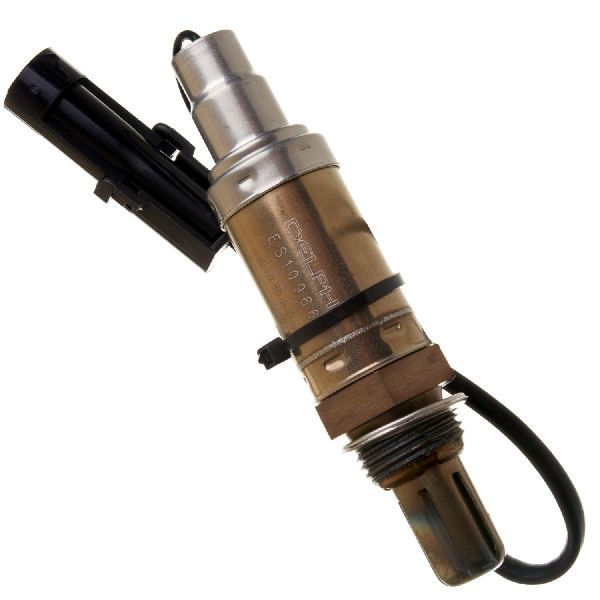
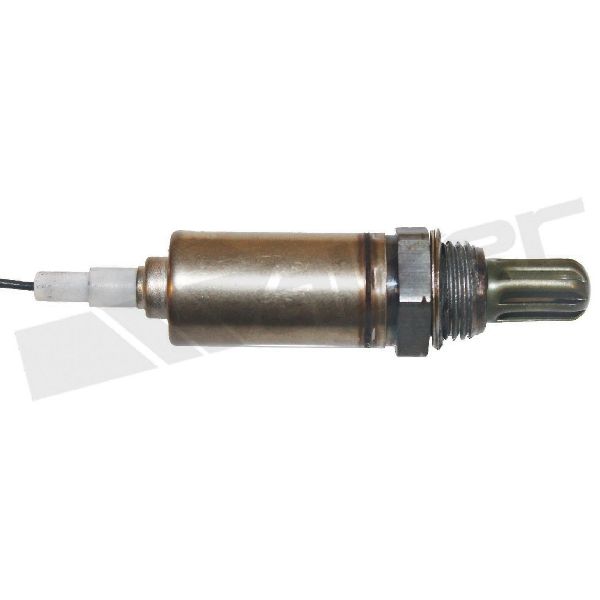
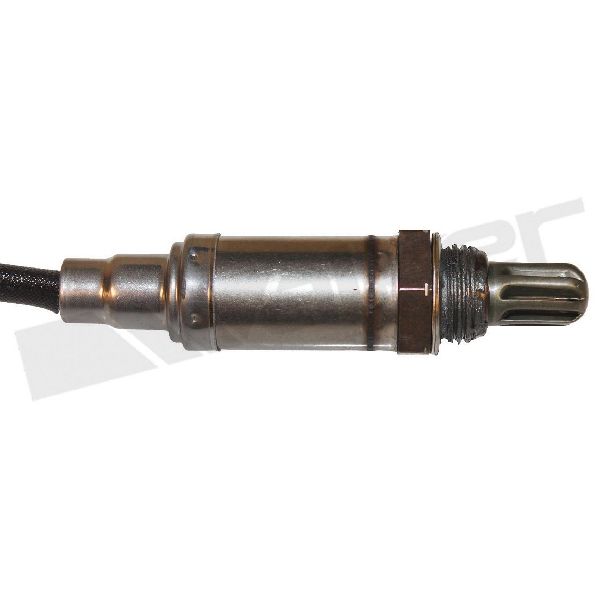
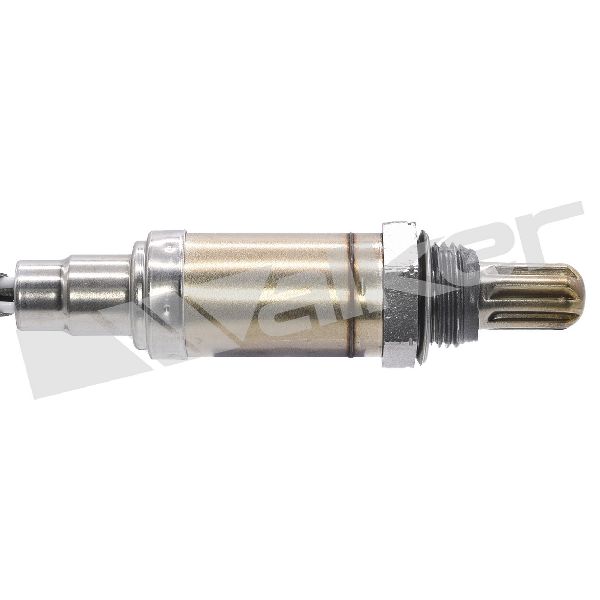
Bosch is a massive O2 sensor manufacturer and invented the technology. However, some GM owners report occasional idle issues or incompatibility with Bosch sensors on older platforms. Delphi was once part of GM and generally makes quality parts. Walker is a well-known exhaust and emissions parts manufacturer. These brands can be a good value but may carry a slightly higher risk of compatibility quirks than Tier 1. - Tier 3 (Value): DriveWire
Value brands like DriveWire offer the lowest price point. They can be a solution for a tight budget, but their long-term reliability and sensor accuracy may not match the higher-tiered brands.
Heated vs. Unheated Sensors
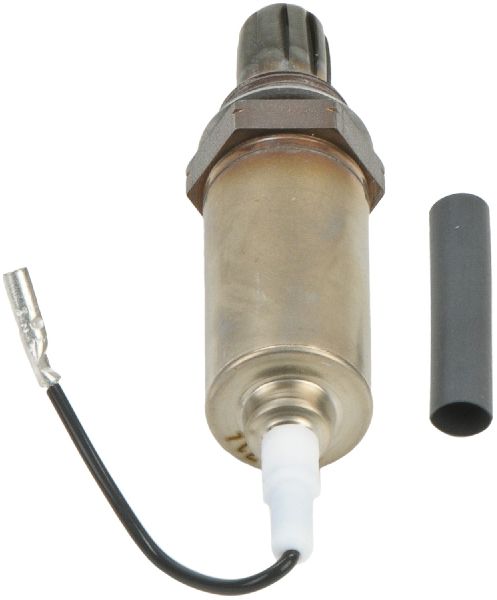
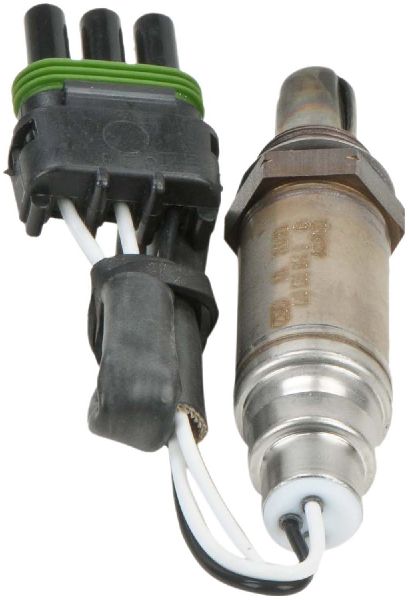
Your Safari may have come with a 1-wire (unheated) or a 3-wire (heated) sensor. A 1-wire sensor relies on hot exhaust gas to reach operating temperature. A 3-wire sensor has an internal heater that gets it working much faster, which improves performance and fuel economy during warm-up. You can upgrade from a 1-wire to a 3-wire sensor by providing a key-on power source and a ground for the two extra wires.
Cost of Replacing an Oxygen Sensor on a 1985-1995 GMC Safari
The cost is relatively low, especially if you can do the work yourself. Your van likely only has one sensor, located upstream of the catalytic converter.
| Part or Service | Estimated Cost |
|---|---|
| New Aftermarket Oxygen Sensor | $28 - $87 |
| Shop Labor | $50 - $120 |
| Total Estimated Cost (Installed) | $78 - $207 |
Frequently Asked Questions
How many oxygen sensors does my 1985-1995 Safari have?
Most pre-1996 GMC Safaris have only one oxygen sensor. It is located "upstream," meaning it's in the exhaust system before the catalytic converter, often in the Y-pipe where the two sides of the exhaust merge. Later OBDII models (1996 and newer) have multiple sensors.
Do I need a special tool for replacement?
Yes, it is highly recommended. A special tool called an O2 sensor socket is designed with a slot on the side to fit over the sensor's wire. While you might be able to use a standard 7/8-inch wrench, the socket makes the job much easier, especially if the old sensor is rusted in place.
What is the difference between a 1-wire and 3-wire sensor?
A 1-wire sensor is unheated and relies on the exhaust to get hot enough to work. A 3-wire sensor has an internal heater circuit (power and ground) that brings it to operating temperature much faster. This allows the engine computer to enter "closed-loop" mode sooner, where it actively adjusts the fuel mixture for best efficiency. Many owners upgrade to a heated sensor for better performance.
What happens if I don't replace a bad O2 sensor?
You will continue to have poor fuel economy, rough running, and high emissions. Over time, the rich fuel mixture caused by the bad sensor can dump unburned fuel into the exhaust, which can overheat and destroy the catalytic converter—a much more expensive part to replace.
Technical Specifications
OEM Part Numbers: 19178959
Typically a single upstream sensor. Depending on the specific year and emissions package, it will be either a 1-wire unheated sensor or a 3-wire heated sensor. The thread size is M18-1.50.
We Have This Part in Stock

The information in this article is provided for general reference and educational purposes only. Vehicle specifications, procedures, and part compatibility can vary by production date, trim level, and region. Always consult your vehicle's factory service manual and verify part numbers before purchasing or performing repairs. Safety-critical components such as airbags, seat belts, and braking systems should be installed by a qualified professional.
- GMC Safari:
- 🛍️ Shop This Part
- Is Your Safari's Oxygen Sensor Failing?
- Key Symptoms of a Bad O2 Sensor:
- Don't Ignore the Signs
- Choosing the Right Aftermarket O2 Sensor
- Brand Tiers for Your GMC Safari
- Heated vs. Unheated Sensors
- Cost of Replacing an Oxygen Sensor on a 1985-1995 GMC Safari
- Frequently Asked Questions
- 🎟️ Get 5% Off