

Jaguar XJS (1985-1995) Oxygen Sensor: A Comprehensive Guide
Understanding and replacing the oxygen sensors on your classic XJS is key to restoring its performance and fuel economy.
- Prioritize direct-fit sensors from OEM-quality brands like Bosch, Denso, or NGK/NTK for reliability.
- Verify the number of sensors your specific XJS needs; V12 models have two, while 6-cylinder models can have one or more depending on the year.
- A failing oxygen sensor is a primary cause of running rich, poor fuel economy, and failed emissions tests on the XJS.
- Replacement can be difficult due to tight access (especially on the V12) and seized sensors; use penetrating oil and a proper O2 sensor socket.
Symptoms of a Failing Oxygen Sensor in a Jaguar XJS
A bad oxygen sensor can cause a range of problems, many of which are often misdiagnosed. If you experience any of the following, your O2 sensor is a likely culprit:
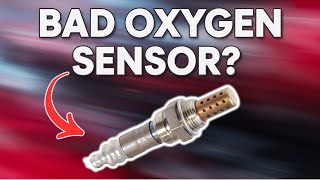
🎬 Watch this guide to identify common symptoms of sensor failure.- Poor Fuel Economy: One of the most common signs is a noticeable drop in gas mileage. A faulty sensor often causes the engine to run rich, meaning it uses more fuel than necessary.
- Rough Idle and Poor Performance: Your XJS may idle erratically, hesitate during acceleration, or feel sluggish. This is due to the imbalanced air-fuel mixture disrupting smooth combustion.
- Check Engine Light: On later models, a failing O2 sensor will trigger the Check Engine Light. On some earlier models, an "OXY SENSOR" light may illuminate based on mileage as a service reminder, not necessarily a fault.
- Failed Emissions Test: A dramatic increase in Carbon Monoxide (CO) and Hydrocarbon (HC) levels is a clear indicator of a bad sensor, often leading to a failed smog check.
- Strong Fuel or "Rotten Egg" Smell: An overly rich mixture can result in the smell of unburned gasoline or a sulfur-like odor from the exhaust.
Known Issues: Recalls and TSBs
There was an emissions-related recall issued by the EPA for 1994 and 1995 Jaguar XJS and XJ12 models concerning oxygen sensor circuit failure. This recall affected approximately 3,000 vehicles. While this recall is old, it highlights a known potential failure point on these specific model years. No other widespread recalls or Technical Service Bulletins (TSBs) for oxygen sensors specifically cover the entire 1985-1995 range, though a TSB (18-45a) was issued for torque specifications on heated oxygen sensors.
Choosing the Right Aftermarket Oxygen Sensor
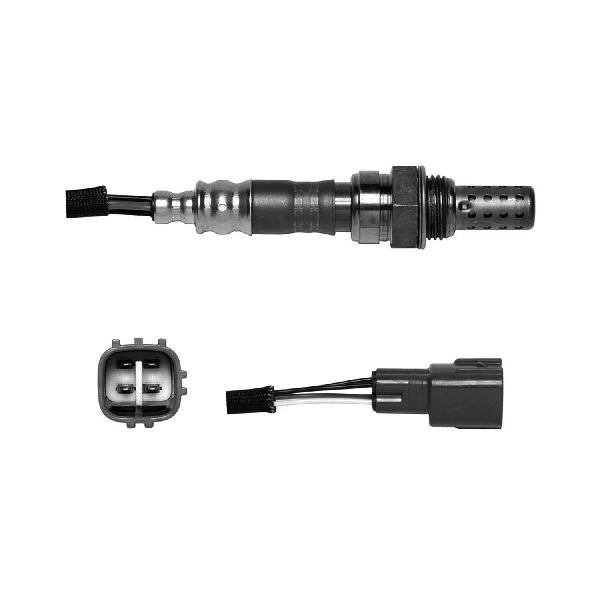
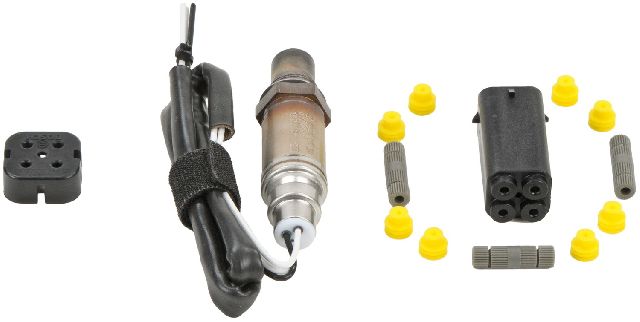
While OEM Jaguar parts are an option, high-quality aftermarket sensors offer excellent performance at a better price. Bosch was a frequent original equipment manufacturer for Jaguar, making their aftermarket parts a reliable choice. It's crucial to select a direct-fit sensor with the correct connector to avoid installation headaches.
Brand Quality Tiers
Not all aftermarket brands are created equal. Here’s a breakdown to help you choose:
- Tier 1 (OEM Quality): Bosch, Denso, and NGK (NTK). These brands are known suppliers to automakers and produce sensors that meet or exceed original specifications. Many owners report success using Bosch and NTK sensors, with some noting that different brands are sometimes identical parts stamped with a different name. These are the most recommended choices for reliability and longevity.
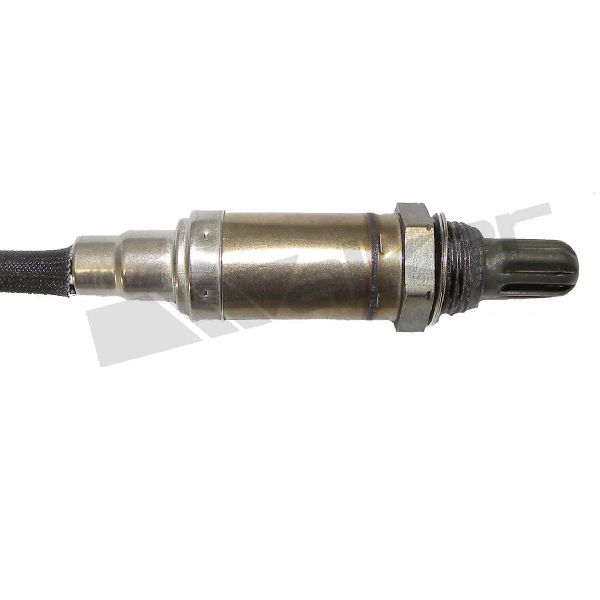
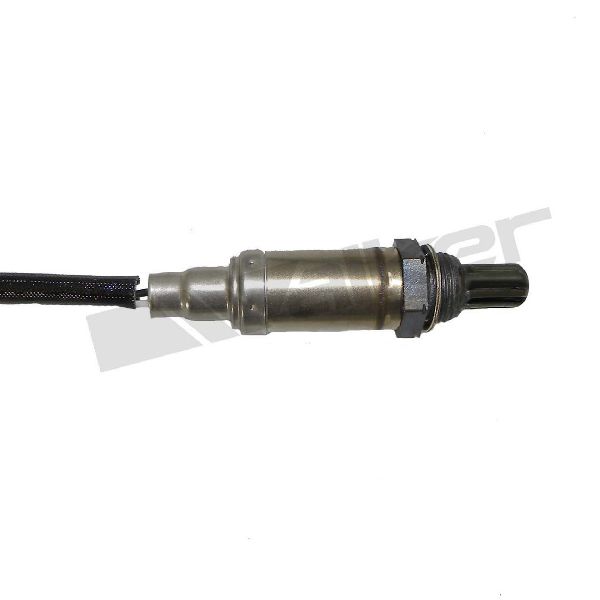
- Tier 2 (Value): Delphi, Walker Products, Spectra. These brands provide a good balance of quality and cost. They are generally reliable and a solid choice for owners on a budget who still want a dependable part.
- Tier 3 (Budget): DriveWire. These are the most affordable options. While they will function, their lifespan and overall quality may not match the higher-tiered brands. Consider these if the price is your primary concern.
| Brand Tier | Typical Price Range (per sensor) |
|---|---|
| Tier 1 (Bosch, Denso, NGK) | $50 - $150 |
| Tier 2 (Delphi, Walker) | $35 - $90 |
| Tier 3 (DriveWire) | $25 - $50 |
Pro Tip: Heated vs. Unheated Sensors
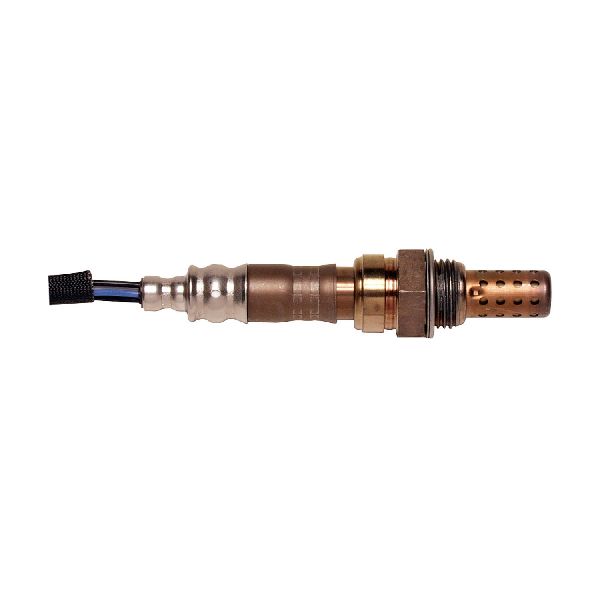
Early XJS models used unheated, 1-wire oxygen sensors. Later models switched to 3-wire or 4-wire heated sensors (HO2S) which come up to operating temperature much faster. Many owners of earlier models upgrade to heated sensors for better performance, though this requires wiring in a power source for the heater element. When replacing, ensure you get the correct type for your vehicle or the type you intend to upgrade to.
Frequently Asked Questions (FAQ)
How many oxygen sensors does my 1985-1995 XJS have?
The number varies by engine and model year. V12 models typically have two sensors, one for each engine bank. The 6-cylinder AJ6 engine may have one or two sensors. Later AJ16 engines (found in 1995+ models) can have up to four sensors (two upstream, two downstream). Always verify the count for your specific vehicle before ordering.
Where are the oxygen sensors located?
On the V12, the sensors are located in the Y-shaped downpipes, between the exhaust manifolds and the catalytic converters. They are difficult to see from above but accessible from underneath the car. On 6-cylinder models, the sensor(s) are also located in the exhaust downpipe, just before the catalytic converter, and are often visible from the top of the engine bay, though access can still be tight.
Can I use a universal oxygen sensor?
While universal sensors (which require you to splice wires) are available and cheaper, it is highly recommended to use a direct-fit sensor. Direct-fit sensors come with the correct-length wire and factory-style connector, preventing wiring mistakes and ensuring a reliable connection, which is crucial for this sensitive component.
Is this a difficult DIY job?
The difficulty depends on your engine. On the 6-cylinder, it's more accessible. On the V12, access is very tight, and the sensors can be seized in the exhaust pipe, making removal difficult. Using a special slotted oxygen sensor socket and letting penetrating oil soak overnight is highly recommended. If you're not comfortable working under the car or dealing with stubborn bolts, it's best to leave this job to a professional.
Helpful Videos
Technical Specifications
OEM Part Numbers: DBC10744 LHE1682AA
Varies by engine and year. Early models use 1-wire unheated sensors. Later models use 3 or 4-wire heated sensors. 1995+ AJ16 engines use Titania-type sensors, which are different from the common Zirconia type.
We Have This Part in Stock


The information in this article is provided for general reference and educational purposes only. Vehicle specifications, procedures, and part compatibility can vary by production date, trim level, and region. Always consult your vehicle's factory service manual and verify part numbers before purchasing or performing repairs. Safety-critical components such as airbags, seat belts, and braking systems should be installed by a qualified professional.
- Jaguar XJS: