

Pontiac Grand Prix Engine Coolant Temperature Sensor Guide (1985-1995)
Everything a Grand Prix owner needs to know about replacing a faulty engine coolant temperature sensor.
- Verify if you need the 'sensor' for the computer or the 'sender' for the gauge; they are often separate parts.
- A bad sensor can cause poor fuel economy, overheating, and rough running.
- Replacement is simple and can be done with basic tools when the engine is cool.
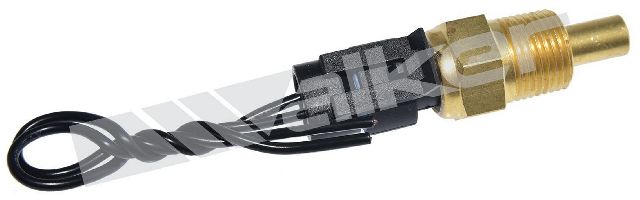
- Consider replacing the electrical connector pigtail at the same time, as they often become brittle.
Is Your Grand Prix Running Rough? It Could Be the Coolant Temp Sensor
If your 1985-1995 Pontiac Grand Prix is experiencing issues like a dead temperature gauge, poor fuel mileage, or rough idling, a faulty Engine Coolant Temperature (ECT) sensor might be the culprit. This small, inexpensive part plays a huge role in how your engine runs. It tells the engine's computer how hot or cold the engine is, which affects everything from the fuel mixture to when the cooling fans turn on. For this generation of Grand Prix, it's a common point of failure due to age.
Sensor vs. Sender: A Common Point of Confusion
On many GM vehicles from this era, there are two separate components that measure coolant temperature. It is crucial to identify which one you need to replace:
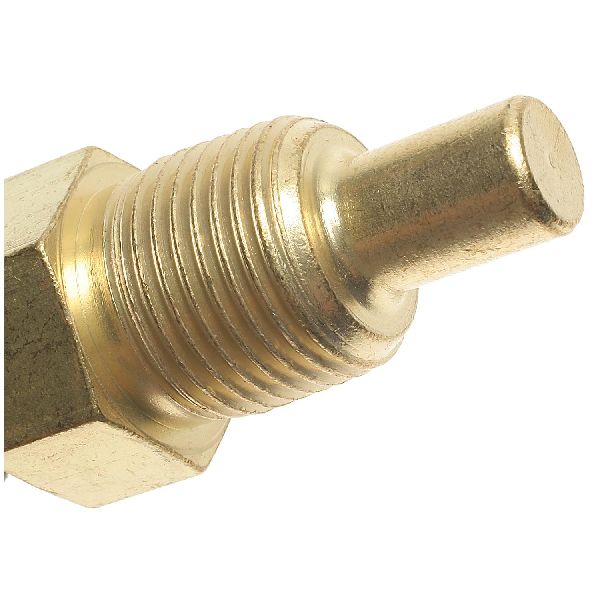
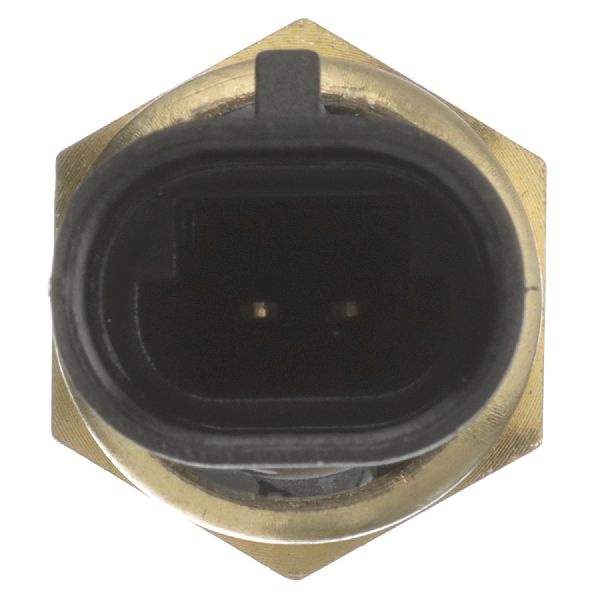
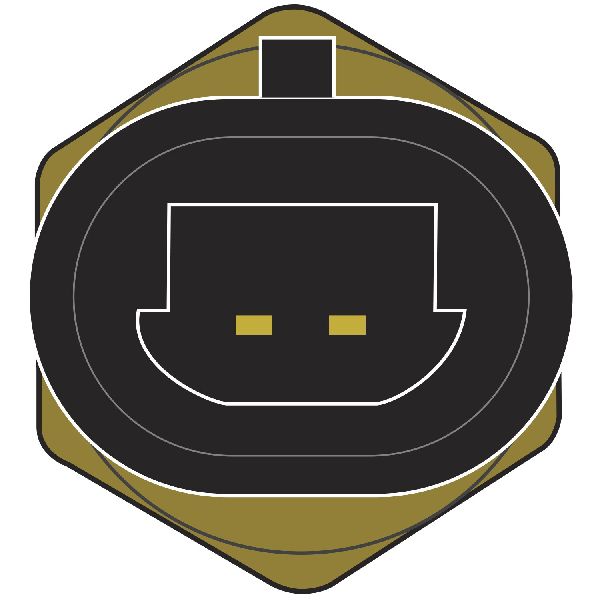
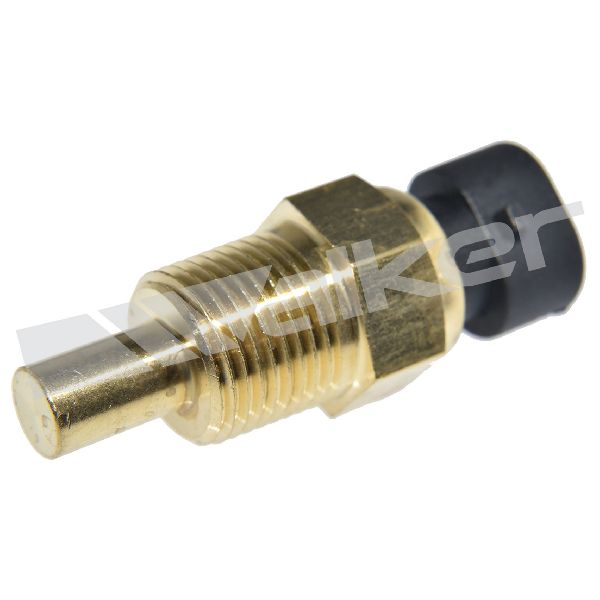
- Engine Coolant Temperature (ECT) Sensor: This is usually a two-wire sensor that sends information to the engine's computer (ECU/PCM). A failure here affects engine performance.
- Coolant Temperature Sender (or Switch): This is typically a one-wire unit that operates the temperature gauge on your dashboard. If your gauge is dead but the car runs fine, this is likely the problem.
Some later models in this range may use a single, three-wire sensor that performs both functions. Always verify the number of wires and location on your specific engine before ordering a part.
Choosing the Right Aftermarket Sensor
Since original ACDelco parts for this era can be hard to find or are superseded by newer designs, the aftermarket is your most likely source. The quality can vary, so it's wise to choose a reputable brand.
Aftermarket Brand Tiers
| Tier | Brands | Notes |
|---|---|---|
| Tier 1: Trusted Quality | Delphi, NGK, Standard Ignition (SMP) | Delphi was an original equipment (OE) supplier for GM, making their parts a strong choice. NGK and Standard Ignition are long-standing brands with a reputation for reliable sensors. |
| Tier 2: Reputable Aftermarket | Beck Arnley, Hella, Walker Products | Beck Arnley often re-packages OE-sourced parts and is generally considered a reliable option. Hella and Walker are also established aftermarket manufacturers with decent quality. |
| Tier 3: Budget Options | Four Seasons, Facet, Global Parts, True Tech, Motorad | These brands offer a lower price point. They can be a viable option for a budget-conscious repair, but may not have the same longevity or precise calibration as higher-tier brands. |
Pro Tip: Consider replacing the sensor's electrical connector (pigtail) at the same time. After decades of heat cycles, the plastic can become brittle and the wires can corrode, causing a poor connection that mimics a failed sensor.
Known Issues, Recalls, and TSBs
For the 1985-1995 model years, there are no specific recalls or Technical Service Bulletins (TSBs) directly related to the engine coolant temperature sensor. However, general engine and electrical problems are common complaints for this generation. Many running issues, such as rough idle and stalling, were often traced back to faulty sensors like the ECT. Additionally, intake manifold gasket leaks were a known issue, which can cause coolant loss and lead to overheating, potentially damaging the sensor.
Frequently Asked Questions (FAQ)
Where is the ECT sensor located on my Grand Prix?
The location varies by engine. On many V6 engines like the 3.1L, the main ECT sensor for the computer is located near the thermostat housing, often underneath it. You would trace the upper radiator hose to where it connects to the engine. The sender for the gauge is often in a cylinder head. Always consult a repair manual for your specific year and engine (2.3L, 2.8L, 3.1L, 3.4L, 3.8L) to be certain.
Can I replace this sensor myself?
Yes, this is a very DIY-friendly job for most home mechanics. It typically requires basic hand tools like a deep socket or wrench. The key is to perform the replacement when the engine is completely cool to avoid burns and minimize coolant loss. It's a good idea to have a little extra coolant on hand to top off the system afterward.
Do I need to use thread sealant on the new sensor?
Yes. Most replacement sensors require a thread sealant to prevent coolant leaks. Some new sensors come with sealant pre-applied to the threads. If not, use a small amount of a suitable thread sealant (like Teflon tape or a liquid sealer) on the threads before installation.
My temperature gauge is stuck on cold. Is this the right part?
Not necessarily. If the gauge is dead but the engine runs fine, you likely need the single-wire 'sender' unit, not the two-wire 'sensor' for the computer. If your car has poor performance AND the gauge is acting erratically, the sensor could be the issue, or the car may have a single combined sensor. Verify which system your car has before buying.
Technical Specifications
Varies by engine and year. Crucially, identify whether you need the 1-wire sender for the gauge or the 2-wire (or 3-wire) sensor for the ECU. They are not interchangeable.
We Have This Part in Stock


The information in this article is provided for general reference and educational purposes only. Vehicle specifications, procedures, and part compatibility can vary by production date, trim level, and region. Always consult your vehicle's factory service manual and verify part numbers before purchasing or performing repairs. Safety-critical components such as airbags, seat belts, and braking systems should be installed by a qualified professional.
- Pontiac Grand Prix: