

A/C Receiver Drier Guide for the 1985-1995 Suzuki Samurai
Keep your Samurai's A/C blowing cold by understanding this critical, often-overlooked part.
- The receiver drier must be replaced by a professional anytime the A/C system is opened for service.
- Symptoms of failure include poor cooling, musty smells, and oily leaks around the part.
- For a Japanese vehicle like the Samurai, Denso is a top-tier aftermarket brand choice.
- No recalls or TSBs are specifically associated with the receiver drier for this vehicle.
Is Your Samurai's A/C Not as Cold as It Used to Be?
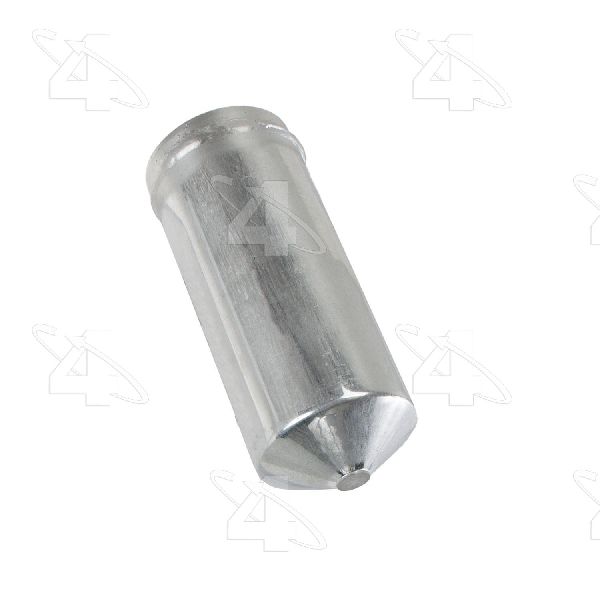
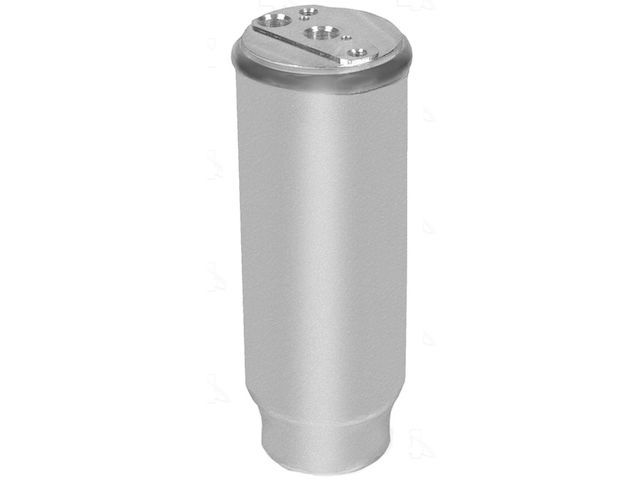
If the air conditioning in your 1985-1995 Suzuki Samurai is struggling, a failing A/C receiver drier could be the problem. This small canister is a vital part of the A/C system. It protects other components from moisture and contamination. Because it's a service item, it should be replaced anytime the A/C system is opened for repairs.
Symptoms of a Failing A/C Receiver Drier
A bad receiver drier can cause several problems. Look out for these common signs:
- Poor Cooling: The most obvious symptom is air from the vents that isn't cold. This can happen if the drier is clogged and blocking refrigerant flow.
- Moldy Smell: A musty or moldy odor from the vents when you turn on the A/C can mean the drier is saturated and can no longer remove moisture, allowing mold to grow.
- Oily Residue or Leaks: You might see greasy film or drips on or around the drier itself. This is refrigerant oil leaking out, which means the system is losing refrigerant.
- Rattling Noises: A rattling sound from the engine bay when the A/C is on could mean the internal parts of the drier have broken apart.
Professional Installation Required
Replacing an A/C receiver drier is not a simple DIY job. The A/C system is highly pressurized and contains refrigerant that is regulated by law. The job requires special equipment to safely recover the old refrigerant and recharge the system after the new part is installed. Always have this service performed by a qualified mechanic.
Choosing the Right Aftermarket Receiver Drier
For a vehicle like the 1985-1995 Suzuki Samurai, new OEM parts are often unavailable. Thankfully, many aftermarket brands offer quality replacements. Here’s a look at the available options:
- Denso: Denso is a well-respected OEM supplier for many Japanese vehicles, including Suzuki. Choosing a Denso part is often the closest you can get to original factory quality. They are known for excellent durability and performance.
- ACDelco: As GM's official parts brand, ACDelco has a strong reputation for quality. While more commonly associated with domestic vehicles, their parts are generally reliable and built to high standards.
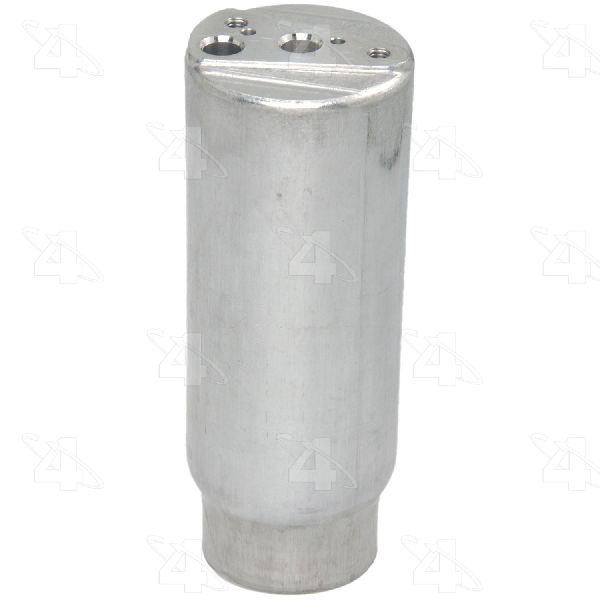
- Four Seasons: Four Seasons is one of the most recognized names in aftermarket A/C parts. They offer a wide range of components and are a common choice for repairs, though online reviews for their compressors can be mixed.
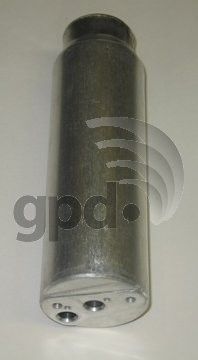
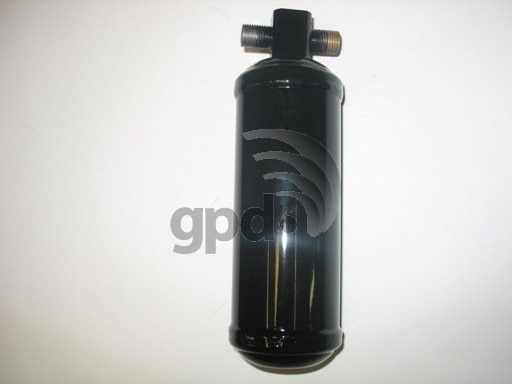
- Global Parts Distributors (GPD): GPD is a major aftermarket supplier that offers a complete line of A/C products. Their parts are designed to match original equipment fit and are 100% leak-tested, making them a solid and reliable choice.
Pro Tip: Since Denso is an OEM supplier for Suzuki, it is often considered the safest bet for fit and long-term reliability on a Samurai.
Cost to Replace a Suzuki Samurai Receiver Drier
The total cost involves the part itself and the labor to install it. Labor is the biggest factor because it includes evacuating and recharging the A/C system.
| Item | Estimated Cost |
|---|---|
| New Aftermarket Part | $20 - $40 |
| Shop Labor & Recharge | $171 - $251 |
| Total Estimated Cost | $191 - $291 |
Costs are estimates and can vary based on your location and repair shop rates.
Frequently Asked Questions
Do I need to replace my receiver drier when I replace my A/C compressor?
Yes, absolutely. It is standard practice to replace the receiver drier anytime the A/C system is opened for a major repair. Most warranties for new compressors require it. Failing to do so can cause the new compressor to fail quickly.
Are there any recalls for the Suzuki Samurai A/C receiver drier?
No, searches of the NHTSA database and other sources did not find any specific recalls or Technical Service Bulletins (TSBs) for the A/C receiver drier on the 1985-1995 Suzuki Samurai.
My Samurai uses R-12 refrigerant. Can I use a new aftermarket drier?
Yes. Most new aftermarket receiver driers are compatible with both R-12 and systems converted to R-134a. However, ensure you or your mechanic uses the correct refrigerant oil (PAG or Mineral) for your specific system. A Suzuki TSB warns against using unapproved refrigerant types.
How often should a receiver drier be replaced?
As a general rule, it should be replaced every time the A/C system is opened to the atmosphere. If the system has not been opened, some recommend replacing it every 3-4 years as preventative maintenance, especially in humid climates.
Technical Specifications
The A/C receiver drier is specific to systems using an expansion valve, which is the case for the Suzuki Samurai. It is located in the high-pressure line between the condenser and the expansion valve. Ensure compatibility with your system's refrigerant, whether it is the original R-12 or a converted R-134a system.
We Have This Part in Stock

The information in this article is provided for general reference and educational purposes only. Vehicle specifications, procedures, and part compatibility can vary by production date, trim level, and region. Always consult your vehicle's factory service manual and verify part numbers before purchasing or performing repairs. Safety-critical components such as airbags, seat belts, and braking systems should be installed by a qualified professional.
- Suzuki Samurai: