

Suzuki Samurai A/C System O-Ring and Gasket Kit Guide (1985-1995)
Leaky A/C in your Samurai? Here's what you need to know about replacing the o-rings and gaskets.
- The most common cause of A/C failure in an older Samurai is leaking refrigerant from dried-out o-rings.
- You must verify if your system uses R12 refrigerant or has been converted to R134a to ensure you use the correct lubricating oil. Modern aftermarket kits typically contain HNBR o-rings compatible with both.
- Replacing the o-rings requires special equipment to evacuate and recharge the A/C system. This is not a simple unbolt-and-replace job.
- Always replace the receiver/drier anytime the A/C system is opened to the atmosphere for a repair.
Is Your Samurai's A/C Losing Its Cool?
If your Suzuki Samurai's air conditioning isn't blowing as cold as it used to, or if it has stopped working completely, there's a good chance the problem is a refrigerant leak. For these older vehicles, the most common source of a leak is hardened and cracked rubber o-rings at the A/C line connections. You might notice a greasy residue around these fittings, which is the refrigerant oil leaking out along with the gas. In some cases, you might even hear a faint hissing sound from the engine bay when the A/C is running.
Symptoms of a Failing A/C O-Ring Kit
- Weak or No Cold Air: The most obvious symptom is a decline in cooling performance as refrigerant escapes the system.
- Visible Oily Residue: Look for dirt and grime collecting around A/C line connections, especially at the compressor and condenser. This is a sign of leaking refrigerant oil.
- A/C Compressor Won't Turn On: Many A/C systems have a low-pressure switch that prevents the compressor from engaging if there isn't enough refrigerant. This protects the compressor from damage.
R12 vs. R134a: Know Your Refrigerant
Samurai models from this era originally used R12 refrigerant. Many have since been converted to the more modern R134a. This is critical because the two refrigerants require different types of o-rings. R12 systems use black Nitrile (NBR) o-rings, while R134a systems need green or purple HNBR (Hydrogenated Nitrile) o-rings, which are more durable. Thankfully, most modern aftermarket kits, including those from Four Seasons and Global Parts, use HNBR o-rings that are compatible with both R12 and R134a. Always verify which refrigerant your system uses before starting work.
Choosing an Aftermarket O-Ring Kit
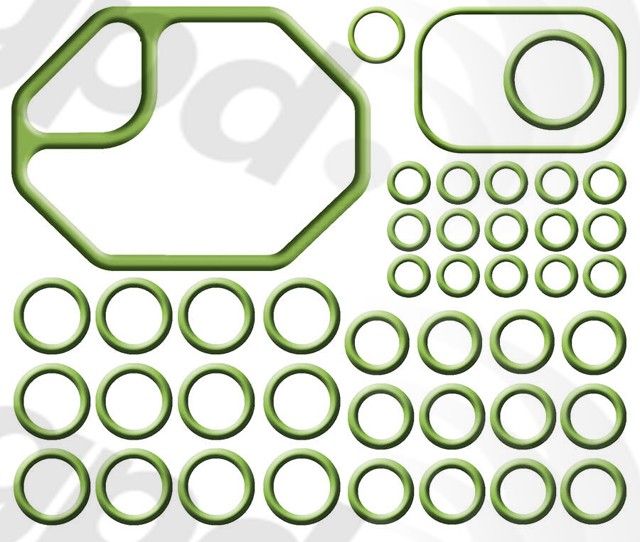
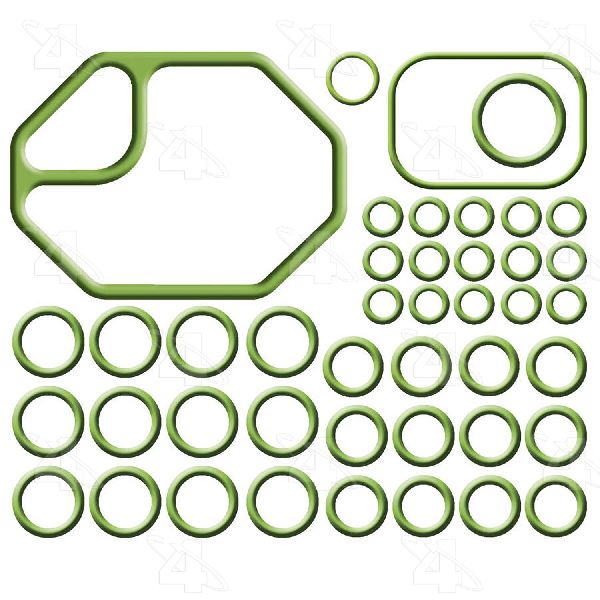
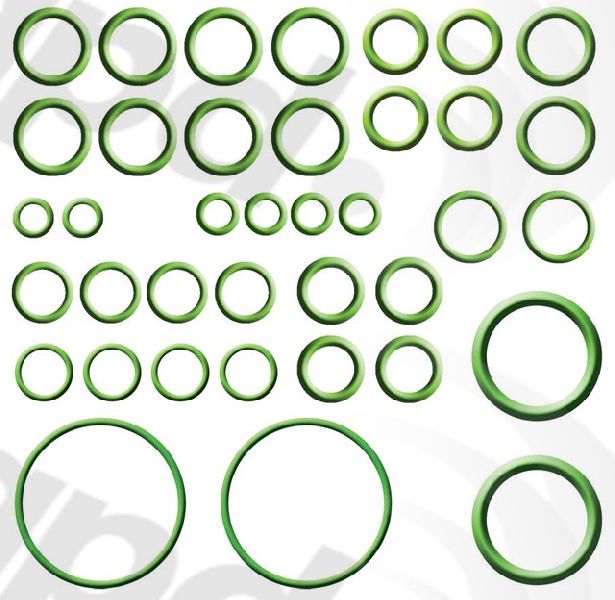
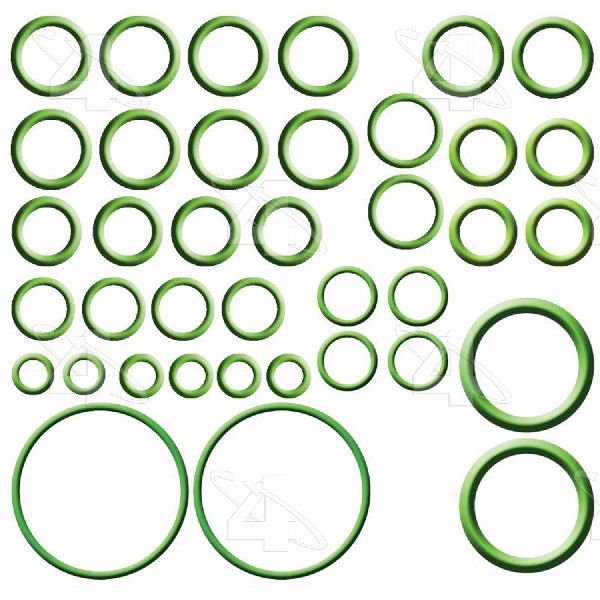
For a part like an o-ring kit, aftermarket options offer excellent value. Finding an original OEM kit from Suzuki for a vehicle of this age is nearly impossible. Aftermarket brands like Four Seasons and Global Parts provide vehicle-specific kits that contain all the necessary seals for a complete system overhaul.
Brand Tiers:
- Four Seasons: A well-known and generally trusted brand in the aftermarket A/C parts world. Their kits are widely available and considered a reliable choice for DIY repairs.
- Global Parts (GPD): Another popular aftermarket supplier. Their kits are also designed to meet or exceed original specifications and are often priced competitively.
For the Suzuki Samurai, both Four Seasons and Global Parts offer quality kits that will get the job done. The choice often comes down to price and availability. Since the function is straightforward, either brand is a solid option for sealing up your A/C system.
Pro Tip: When you replace the o-rings, it's also the perfect time to replace the A/C receiver/drier (also called an accumulator). This component absorbs moisture from the system, and its lifespan is limited. A new drier is required anytime the system is opened to the atmosphere to ensure a long-lasting repair.
Aftermarket A/C O-Ring Kit Cost for 1985-1995 Suzuki Samurai
| Brand | Part | Estimated Price |
|---|---|---|
| Four Seasons / Global Parts | A/C System O-Ring and Gasket Kit | $14.92 - $26.88 |
Frequently Asked Questions
Do I have to replace all the o-rings at once?
Yes. If one o-ring has failed due to age, the others are likely not far behind. To avoid having to do the job again in a few months, it is highly recommended to replace all the seals in the system at the same time. The kits are inexpensive and contain all the seals you need.
Why are there extra o-rings in my kit?
Many aftermarket kits are designed to cover multiple model years or variations. Your 1985-1995 Suzuki Samurai kit may include seals for slightly different A/C configurations. Just match the old o-rings you remove to the new ones in the kit and discard the extras.
Can I replace the o-rings myself?
Physically replacing the o-rings is straightforward. However, the job requires the A/C system to be professionally evacuated of any remaining refrigerant before you start and then properly vacuumed and recharged after you are done. This requires specialized equipment. Do not vent refrigerant into the atmosphere; it is harmful to the environment and may be illegal.
What else should I do while replacing the o-rings?
Anytime you open the A/C system, you must replace the receiver/drier. It's also a good idea to clean the condenser fins in front of the radiator to ensure good airflow. Finally, apply a small amount of A/C-specific mineral oil (for R12) or PAG oil (for R134a) to the new o-rings before installation to ensure a good seal and prevent tearing.
Technical Specifications
Kit must contain HNBR (Hydrogenated Nitrile Butadiene Rubber) o-rings for compatibility with modern R134a refrigerant as well as original R12.
We Have This Part in Stock

The information in this article is provided for general reference and educational purposes only. Vehicle specifications, procedures, and part compatibility can vary by production date, trim level, and region. Always consult your vehicle's factory service manual and verify part numbers before purchasing or performing repairs. Safety-critical components such as airbags, seat belts, and braking systems should be installed by a qualified professional.
- Suzuki Samurai: