

Accessory Drive Belt Guide for the 1985-1995 Suzuki Samurai
Keep your Samurai's essential systems running by understanding its simple but vital accessory drive belt.
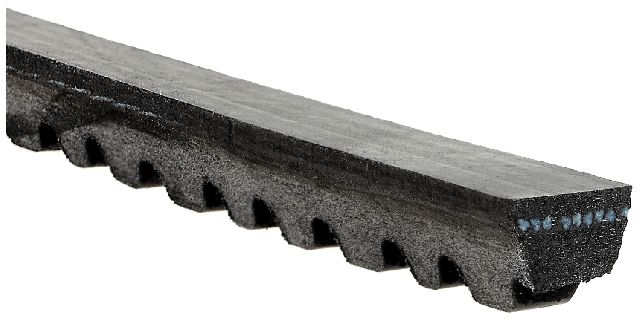
- The accessory belt is a simple V-belt that powers the alternator and water pump.
- Squealing noises and visible cracks are the most common signs of failure that should not be ignored.
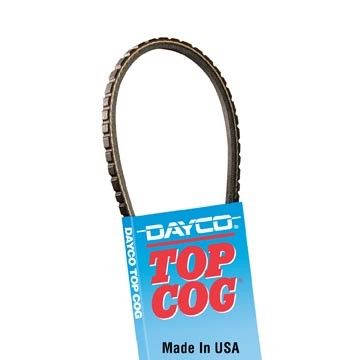
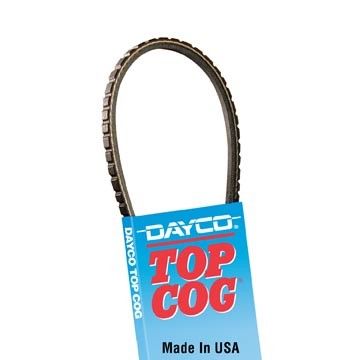
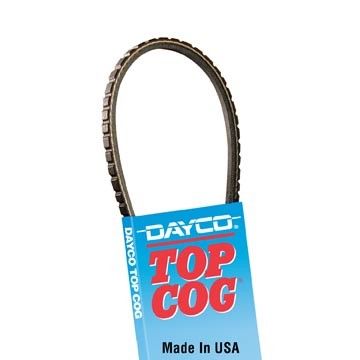
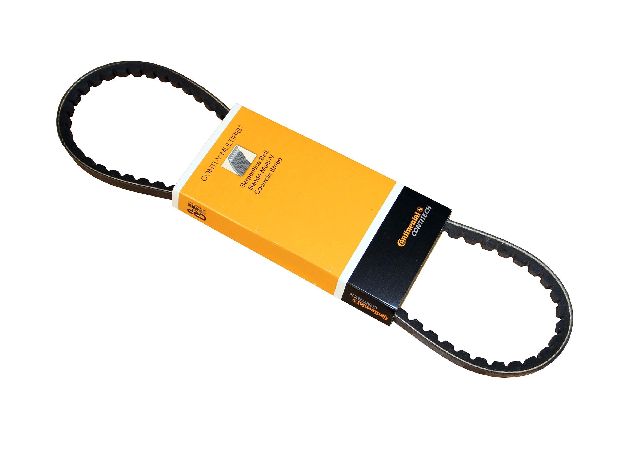
- Aftermarket belts from brands like Gates, Continental, and Dayco are high-quality, affordable, and reliable for the Samurai.
- Replacement is an easy DIY job for most owners, typically taking less than an hour.
Is your Suzuki Samurai's Drive Belt Failing?
The accessory drive belt on the 1.3L Samurai engine is a simple, durable part, but it wears out over time. A failing belt can leave you stranded, so it's important to recognize the warning signs. Because this belt powers critical components, ignoring the symptoms can lead to overheating or a dead battery.
Symptoms of a Worn or Failing Drive Belt:
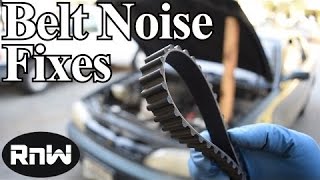
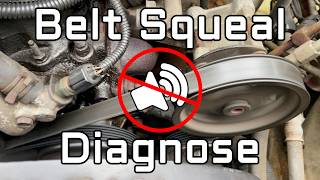
- Squealing Noises: A high-pitched squeal, especially when you start the engine cold or during sharp turns, is the most common sign of a loose or worn belt. This noise can get louder as the engine revs up. 🎬 Watch: How to diagnose and fix common belt squealing noises.
- Visible Wear: Inspect the belt for cracks, fraying, glazing (a shiny, smooth surface), or missing chunks. Any visible damage means the belt needs to be replaced immediately.
- Dimming Lights or Battery Issues: If the belt slips on the alternator pulley, it can't effectively charge the battery. You might notice your headlights dimming at idle or have trouble starting the vehicle.
- Engine Overheating: A slipping or broken belt will stop turning the water pump, causing the engine temperature to rise quickly. This is a critical issue that can cause severe engine damage.
Can You Drive with a Bad Accessory Belt?
It is not recommended. If the belt breaks, your water pump and alternator will stop working. This will cause your engine to overheat and your battery to die, leaving you stranded. If you hear squealing or see visible cracks, replace the belt as soon as possible.
Choosing the Right Aftermarket Drive Belt
For a vehicle like the Suzuki Samurai, aftermarket accessory belts from reputable brands offer excellent performance and value. The original equipment (OEM) belts were good, but modern aftermarket belts from established manufacturers are made with high-quality materials and often meet or exceed original specifications. Given the simplicity of the Samurai's belt system, there's no significant advantage to hunting down a more expensive OEM belt. Brands like Gates, Dayco, and Continental are all trusted names in the industry.
Aftermarket Brand Tiers
| Tier | Brands | Quality & Notes |
|---|---|---|
| Premium Aftermarket | Gates, Continental | Often considered top-tier by both DIYers and professional mechanics. Known for durability and precise fit. You can't go wrong with either of these for your Samurai. |
| Quality Aftermarket | Dayco, Bando | Dayco and Bando are also excellent, well-respected brands that provide reliable performance and are often used as original equipment by some vehicle manufacturers. They offer a great balance of quality and cost. |
Common Ordering Mistake
The most common mistake is ordering the wrong length belt. Suzuki Samurai models can have different belt configurations depending on whether they have accessories like A/C or power steering. Always verify the specific belt needed for your vehicle's setup. Some owners have reported ordering belts listed for their vehicle that were too short, so double-checking part numbers or measuring your old belt is a good idea.
Frequently Asked Questions (FAQ)
How often should I replace my Samurai's drive belt?
There is no strict mileage interval, but it's good practice to inspect the belt during every oil change and plan to replace it every 4-5 years or if you notice any signs of wear like cracking, glazing, or fraying.
Is replacing the accessory drive belt a DIY job?
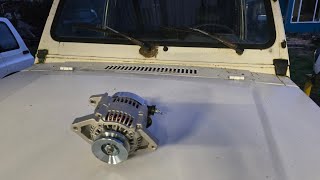
Yes, for most owners with basic hand tools. The 1.3L engine bay has decent access. The process involves loosening the alternator to release tension, 🎬 See this walkthrough on accessing and adjusting the Samurai alternator. swapping the belt, and then re-tensioning the alternator. It's a straightforward job that can usually be done in under an hour.
🎬 Watch: A step-by-step guide to changing your Suzuki engine belts.Should I replace the tensioner pulley at the same time?
The 1985-1995 Suzuki Samurai uses the alternator as the tensioning device for the main accessory belt; it does not have a separate spring-loaded tensioner pulley like modern cars. Therefore, there is no tensioner to replace with this belt. If your vehicle has A/C or aftermarket power steering, it may have a separate tensioner pulley for that system that should be inspected.
Are there any recalls for the Suzuki Samurai drive belt?
No, there are no specific recalls for the accessory drive belt on the 1985-1995 Suzuki Samurai. Searches on the NHTSA database show recalls for other items like seat belts on some model years, but nothing related to the engine drive belts for this generation.
Helpful Videos


Technical Specifications
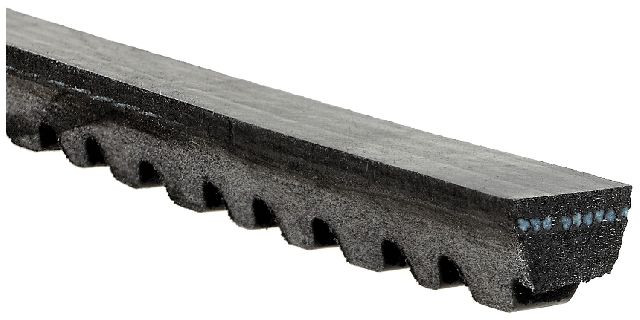
The Suzuki Samurai uses a standard V-belt. The exact length varies depending on the year and accessories (A/C, Power Steering). Common lengths are around 33-34 inches. Always verify the correct part number for your specific vehicle configuration before purchasing.
We Have This Part in Stock

The information in this article is provided for general reference and educational purposes only. Vehicle specifications, procedures, and part compatibility can vary by production date, trim level, and region. Always consult your vehicle's factory service manual and verify part numbers before purchasing or performing repairs. Safety-critical components such as airbags, seat belts, and braking systems should be installed by a qualified professional.
- Suzuki Samurai: