

Suzuki Samurai Engine Coolant Bypass Hose Replacement and Information (1985-1995)
Leaking coolant or an overheating engine in your Samurai? Your bypass hose might be the culprit.
- A failing bypass hose can cause coolant leaks and lead to engine overheating, a critical issue for your Samurai.
- Inspect your hoses for cracks, swelling, or soft spots; these are clear signs that a replacement is needed.
- Aftermarket hoses from brands like Gates are a reliable and cost-effective option for this repair.
- While replacing the bypass hose, it's wise to replace the other coolant hoses and clamps as preventative maintenance.
Is Your Suzuki Samurai's Engine Coolant Bypass Hose Failing?
The 1.3L engine in the 1985-1995 Suzuki Samurai is known for its simplicity, but its cooling system hoses won't last forever. After decades of use, the rubber on the engine coolant bypass hose can become hard, brittle, and weak. This hose is constantly exposed to hot coolant and engine bay temperatures, which causes it to break down over time. A failure can lead to a sudden coolant leak, leaving you stranded and risking serious engine damage from overheating.
Symptoms of a Bad Bypass Hose
A failing bypass hose will usually give you some warning signs. If you notice any of these, it's time to inspect your hoses.
- Coolant Leaks: This is the most obvious sign. You might see puddles of green, yellow, or pink fluid under your Samurai, or notice a sweet smell after driving. The leak could be a drip or a spray coming from the hose itself, especially near the clamps.
- Engine Overheating: If the hose leaks enough coolant, your engine won't be able to cool itself properly. Keep an eye on your temperature gauge; if it starts climbing higher than normal, a coolant leak is a likely cause.
- Visible Hose Damage: Pop the hood and look at the hose. Signs of trouble include cracks, splits, or swelling. If the hose feels spongy, mushy, or unusually hard, it needs to be replaced. A collapsed hose is a definite sign of failure.
- Low Coolant Light: If your Samurai is equipped with a low coolant light and it comes on, you may have a leak. You might also notice that you have to add coolant to the reservoir frequently.
Don't Ignore a Leaking Hose
Continuing to drive with a significant coolant leak can lead to major engine failure, including a blown head gasket or a warped cylinder head. These are expensive and difficult repairs. Replacing a hose is cheap and easy by comparison.
Choosing the Right Aftermarket Bypass Hose
For a vehicle like the Suzuki Samurai, you don't necessarily need to hunt down a rare, expensive OEM part. Quality aftermarket brands offer reliable replacements that meet or exceed the original specifications. The primary brand available for this specific part is Gates.
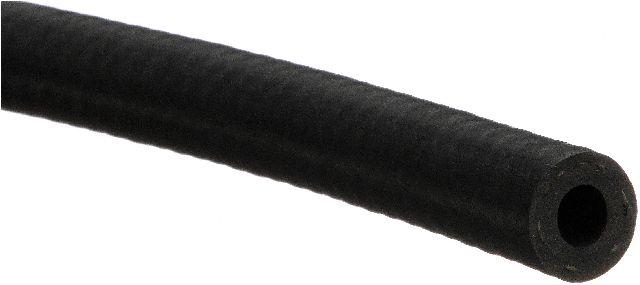
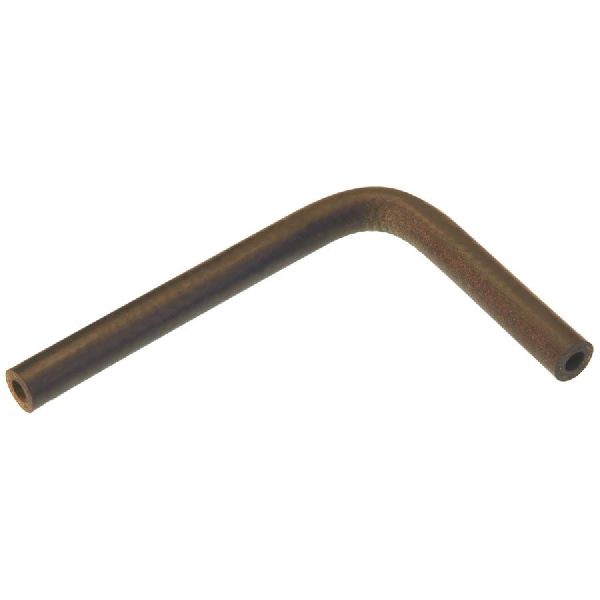
- Molded vs. Straight Hose: Some aftermarket bypass hoses are molded into a specific shape to fit perfectly, just like the original. Others are simply straight hoses that you cut to the required length. For the tight spaces in a Samurai engine bay, a molded hose is often easier to install and less likely to kink, which can restrict coolant flow.
- Gates Aftermarket Hoses: Gates is a well-known and respected brand in the aftermarket industry. Their hoses are made from durable materials like EPDM rubber, designed to resist heat, oil, and ozone. For the Samurai, they offer both molded and cut-to-fit options that provide a reliable, cost-effective repair.
Pro Tip: Replace Your Clamps
While you're replacing the hose, it's a great idea to replace the hose clamps too. Old clamps can lose their tension over time, leading to leaks even with a new hose. Simple worm-gear clamps will work, but many owners prefer to use new spring-style clamps that maintain constant tension as the hose heats and cools.
Cost of Replacing a Suzuki Samurai Bypass Hose (1985-1995)
Replacing this hose is one of the more affordable repairs you can make. The parts are inexpensive, and if you have it done at a shop, the labor is minimal.
| Part Type | Estimated Cost |
|---|---|
| New OEM | $13 - $30 |
| New Aftermarket (Gates) | $19 - $56 |
| Shop Labor | $110 - $170 |
| Total Professional Replacement | $130 - $226 |
Cost estimates are for the part and labor to replace a single bypass hose. Prices for parts can vary by retailer, and labor rates vary by location.
Frequently Asked Questions (FAQ)
Can I just use a generic straight hose from the auto parts store?
Yes, many owners do this successfully. Forum users report using 1/2" or 5/8" heater hose. The key is to make sure the hose does not kink or rub against other components when you install it. A kink will block coolant flow and cause overheating. A molded hose is designed to prevent this.
How difficult is it to replace the bypass hose myself?
This is a very feasible DIY job for most owners. It typically involves draining a small amount of coolant, using pliers or a screwdriver to loosen the old clamps, removing the old hose, and installing the new one. The most difficult part is often reaching the clamps in a tight space. The job should take less than an hour.
Are there any recalls for the coolant bypass hose on the Suzuki Samurai?
No. Searches of the National Highway Traffic Safety Administration (NHTSA) database show no recalls specifically related to coolant hoses for the 1985-1995 Suzuki Samurai. Any failures are due to the age and wear of the original parts.
Should I replace other coolant hoses at the same time?
It is highly recommended. If the bypass hose has failed due to age, the radiator hoses and heater hoses are likely in similar condition. Replacing all of them at once is a smart preventative measure that can save you from future breakdowns. Aftermarket kits with all the required hoses are available.
Technical Specifications
OEM Part Numbers: 17859-73000
The bypass hose on a Suzuki Samurai is a small, often molded rubber hose. Common aftermarket replacements are made from EPDM rubber. Some owners use standard 1/2" or 5/8" heater hose for a custom fit.
We Have This Part in Stock

The information in this article is provided for general reference and educational purposes only. Vehicle specifications, procedures, and part compatibility can vary by production date, trim level, and region. Always consult your vehicle's factory service manual and verify part numbers before purchasing or performing repairs. Safety-critical components such as airbags, seat belts, and braking systems should be installed by a qualified professional.
- Suzuki Samurai:
- 🛍️ Shop This Part
- Is Your Suzuki Samurai's Engine Coolant Bypass Hose Failing?
- Symptoms of a Bad Bypass Hose
- Don't Ignore a Leaking Hose
- Choosing the Right Aftermarket Bypass Hose
- Pro Tip: Replace Your Clamps
- Cost of Replacing a Suzuki Samurai Bypass Hose (1985-1995)
- Frequently Asked Questions (FAQ)
- 🎟️ Get 5% Off