

Suzuki Samurai Engine Coolant Temperature Sensor & Sender Guide (1985-1995)
Solve common running problems like black smoke and poor fuel economy by understanding this critical engine sensor.
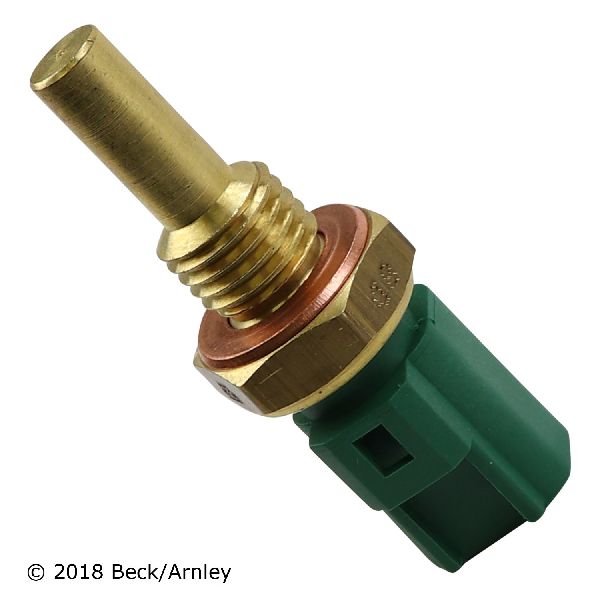
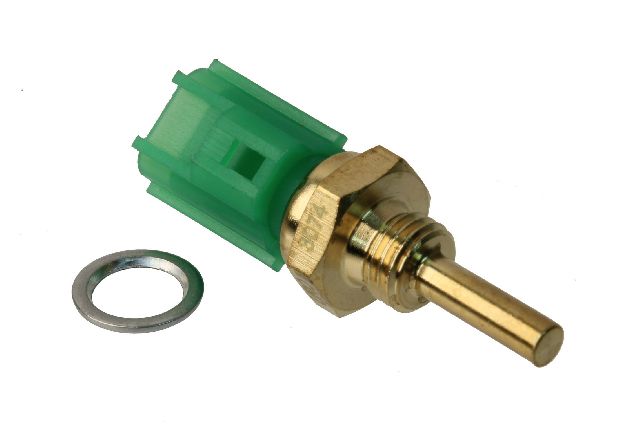
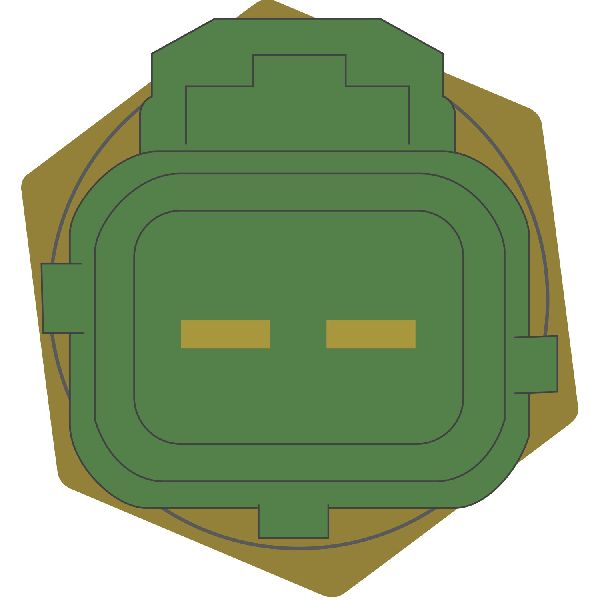
- The Samurai has two separate parts: a two-wire sensor for the ECU (on FI models) and a single-wire sender for the dash gauge.
- Bad ECU sensor symptoms include black smoke, poor MPG, and rough running. A bad gauge sender only affects the dash gauge.
- Replacement is simple and can be done in under an hour with basic tools, making it a great DIY task.
- Stick with reputable aftermarket brands like NGK, Delphi, or Standard Motor Products for a reliable, low-cost repair.
Is it a Sensor or a Sender? Your Samurai Has Both.
Before buying a part, it's crucial to know which one has failed. Your 1985-1995 Suzuki Samurai uses two different components to monitor engine temperature, and they are not interchangeable.
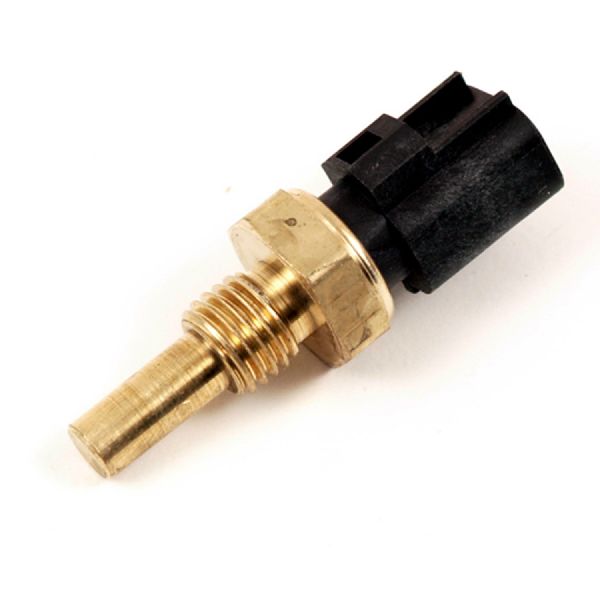
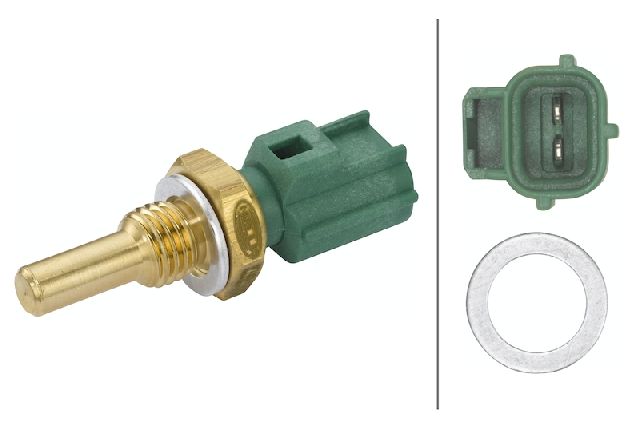
- Engine Coolant Temperature (ECT) Sensor: This is typically a two-wire sensor found on fuel-injected 1990-1995 models. It communicates directly with the Engine Control Unit (ECU) to control engine performance. A failure here will affect how your engine runs.
- Temperature Gauge Sender (or Switch): This is a single-wire unit found on all models. Its only job is to make the temperature gauge on your dashboard work. If this part fails, your engine will likely run fine, but your gauge will be dead or inaccurate.
This guide focuses on the ECT Sensor that affects engine behavior, but the failure symptoms section will help you diagnose either part.
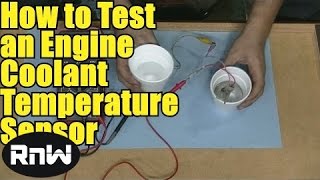
🎬 See how to test a coolant sensor with a multimeter.Symptoms of a Failing Coolant Temperature Sensor
When the main ECT sensor fails, it usually sends a false signal to the ECU, telling it the engine is always cold. This leads to several noticeable problems.
| Symptom | Description |
|---|---|
| Poor Fuel Economy & Black Smoke | This is the most common sign. The ECU provides too much fuel (a "rich" mixture), thinking it's helping a cold engine warm up. This unburnt fuel exits the exhaust as black smoke and drastically reduces your miles per gallon. |
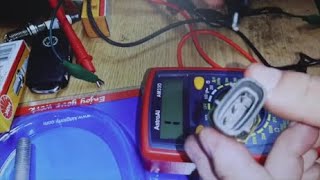
| Check Engine Light | A faulty sensor will often trigger the Check Engine Light. Common codes associated with this failure are P0115, P0116, and P0117, though your Samurai uses an earlier diagnostic system. | 🎬 Watch a live demonstration of checking a Suzuki 1.3i sensor.
| Rough Idle or Hard Starting | An incorrect fuel mixture can make the engine idle erratically. It can also make it difficult to start, especially when the engine is already warm, because the mixture is too rich. |
| Failed Emissions Test | Running constantly rich will cause your Samurai to fail a smog or emissions test due to high levels of hydrocarbons. |
| Inaccurate Temp Gauge SENDER FAILURE | If your only symptom is the temperature gauge on the dash reading incorrectly or not at all, the problem is likely the single-wire temperature sender, not the main ECT sensor. |
Choosing the Right Aftermarket Sensor
For a vehicle like the Samurai, you don't necessarily need to hunt down a rare, expensive OEM part. Many aftermarket brands provide reliable sensors that meet or exceed original specifications. For a simple but critical sensor, it's wise to stick with reputable brands.
- Tier 1 (Recommended): Brands like NGK/NTK, Delphi, and Beck Arnley have a strong reputation. Delphi is a major OEM supplier for many car manufacturers, and NGK is a trusted name in engine sensors. Standard Motor Products (SMP) is another excellent choice with a long history of producing quality aftermarket components.
- Tier 2 (Standard Replacement): Brands like Hella, Facet, and Four Seasons are generally considered reliable standard replacements and are a good value.
- Tier 3 (Budget): Brands like URO Parts can be hit-or-miss. While some users have success with simple parts, others report issues with quality and longevity on critical components. Given the low cost of even high-quality sensors for the Samurai, it's often worth spending a few extra dollars for a brand from a higher tier.
Known Issues, Recalls, or TSBs
There are no active recalls or widespread Technical Service Bulletins (TSBs) from Suzuki or the NHTSA specifically concerning the engine coolant temperature sensor for the 1985-1995 Samurai. Failure is typically due to age and normal wear. The most significant "known issue" is owners ordering the wrong part by confusing the gauge sender with the ECU sensor.
Frequently Asked Questions
Where is the coolant temperature sensor located on a Suzuki Samurai?
You can usually find the sensor(s) screwed into the intake manifold, near the thermostat housing at the front of the engine. The two-wire ECU sensor and the single-wire gauge sender are often located close to each other.
Can I replace the sensor myself?
Yes, this is a very DIY-friendly job. It typically involves partially draining the coolant, unplugging the electrical connector, unscrewing the old sensor with a wrench, and installing the new one. The difficulty is low and it should take less than an hour.
🎬 Watch this step-by-step guide to replacing your temperature sensor.What happens if I don't replace a bad ECT sensor?
You will continue to have problems like very poor fuel economy, black smoke, potential damage to your catalytic converter from unburnt fuel, and a car that runs poorly. While the car may still drive, it will be inefficient and unpleasant.
Does the sensor need thread sealant?
Many replacement sensors come with thread sealant already applied. If not, it is a good practice to apply a small amount of automotive-grade thread sealant to the new sensor's threads to prevent coolant leaks. Do not use Teflon tape, as it can insulate the sensor and cause incorrect readings.
Helpful Videos

Technical Specifications
OEM Part Numbers: 13650-82000 34850-82012 13650-71C00
Varies by function. The ECU sensor is a two-terminal thermistor. The gauge sender is a single-terminal switch. Both are typically located on the intake manifold or thermostat housing.
We Have This Part in Stock


The information in this article is provided for general reference and educational purposes only. Vehicle specifications, procedures, and part compatibility can vary by production date, trim level, and region. Always consult your vehicle's factory service manual and verify part numbers before purchasing or performing repairs. Safety-critical components such as airbags, seat belts, and braking systems should be installed by a qualified professional.
- Suzuki Samurai:
- 🎬 Helpful Videos
- 🛍️ Shop This Part
- Is it a Sensor or a Sender? Your Samurai Has Both.
- Symptoms of a Failing Coolant Temperature Sensor
- Choosing the Right Aftermarket Sensor
- Known Issues, Recalls, or TSBs
- Where is the coolant temperature sensor located on a Suzuki Samurai?
- Can I replace the sensor myself?
- What happens if I don't replace a bad ECT sensor?
- Does the sensor need thread sealant?
- 🎟️ Get 5% Off