

Choosing the Right Universal Joint for a 1985-1995 Suzuki Samurai
A no-nonsense guide to understanding, identifying, and replacing your Samurai's U-joints.
- A clunking noise when shifting or a vibration that increases with speed are primary signs of a failing U-joint.
- For a durable repair, choose a high-quality aftermarket brand like Dana Spicer, Moog, or GMB; avoid cheap store brands.
- Greasable U-joints are a recommended upgrade for Samurais, especially those used in wet or muddy off-road conditions.
- While a DIY-friendly job, replacing U-joints requires a bench vise and can be frustrating if the parts are rusted in place.
Is Your Samurai's U-Joint Failing?
A worn-out U-joint is more than just an annoyance; it can cause other driveline damage or fail completely, leaving you stranded. Because the Samurai is a compact 4x4, you'll often feel and hear driveline problems clearly. Pay attention to these common symptoms 🎬 Listen to what a failing U-joint sounds like here. of a bad U-joint.
Key Failure Symptoms
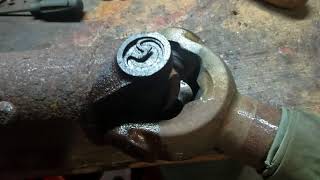
- Clunking or Banging Noise: A loud "clunk" or "bang" when you shift from park into drive or reverse is a classic sign of a worn U-joint with excessive play.
- Vibrations While Driving: A vibration that gets worse as you speed up is a very common symptom. This can feel similar to an unbalanced tire, but it's coming from the center of the vehicle.
- Squeaking or Chirping: A rhythmic squeaking noise at low speeds (under 10 mph) often points to a dry, failing U-joint that has lost its internal lubrication.
- Rattling When Coasting: Some owners report a distinct rattling sound when they let off the gas and the drivetrain is in a "coast" mode, which goes away under acceleration.
Critical Failure Warning
If a U-joint breaks completely, the driveshaft can separate from the vehicle. This will cause a total loss of power to that axle and can result in the driveshaft flailing under the vehicle, potentially damaging the exhaust, brake lines, and transfer case. Do not ignore the symptoms of a bad U-joint.
🎬 Watch this guide to help you diagnose a bad U-joint.Choosing the Right Aftermarket U-Joint
While you could try to find an original equipment (OEM) Suzuki U-joint, they are expensive and high-quality aftermarket options offer the same or even better performance for less money. For a vehicle like the Samurai that sees hard use, the quality of the U-joint matters. Avoid generic, low-cost "parts store" brands, as owners report they have a very short service life.
Aftermarket Brand Tiers for Suzuki Samurai
| Brand Tier | Brands | Quality & Performance |
|---|---|---|
| Premium / Heavy Duty | Dana Spicer, Moog | Considered top-of-the-line. Spicer is a benchmark for durability and is often used in heavy-duty applications. Moog is also a well-regarded premium brand with features like hardened bearing cups and easy-to-service grease fittings. These are excellent choices for heavily modified or off-road-focused Samurais. |
| High-Quality OEM Equivalent | GMB | GMB U-joints are made in Japan and are often considered a significant upgrade over standard parts, meeting or exceeding OEM specifications. They are praised for their strength and reliability, especially in off-road conditions, making them a popular choice for Samurai owners. |
| Standard Replacement | (Various store brands) | While the most affordable, generic or white-box brands are not recommended for the Samurai, especially if it's used for off-roading. Forum discussions frequently mention these parts failing quickly, sometimes in less than a year. It is worth spending more for a higher-quality part to avoid repeat repairs. |
Greasable vs. Non-Greasable U-Joints
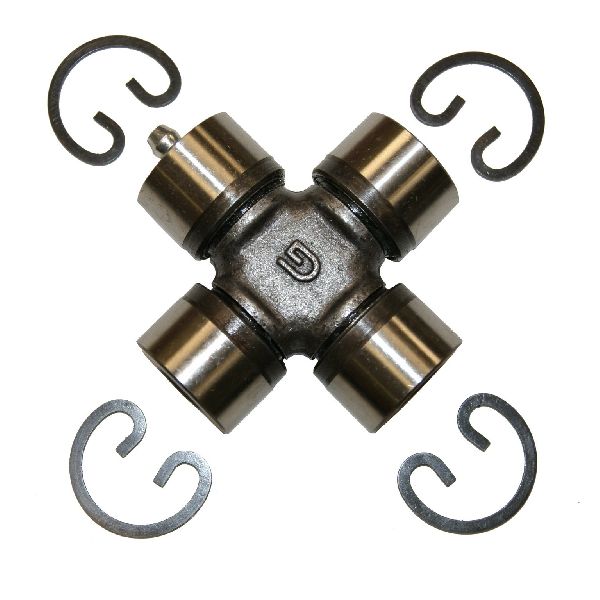
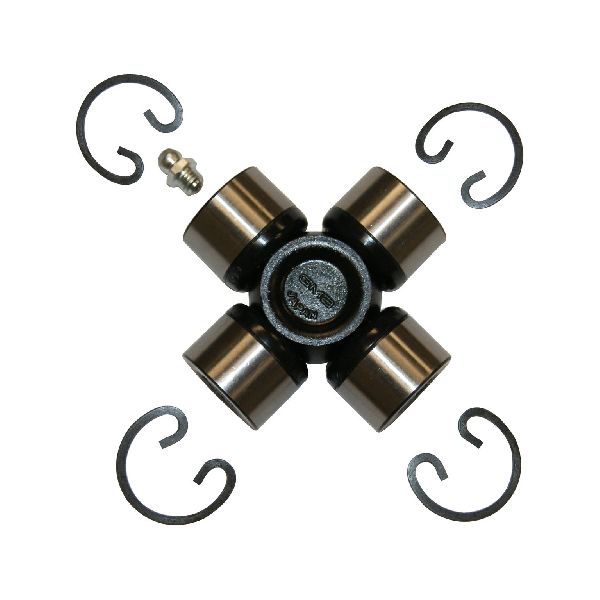
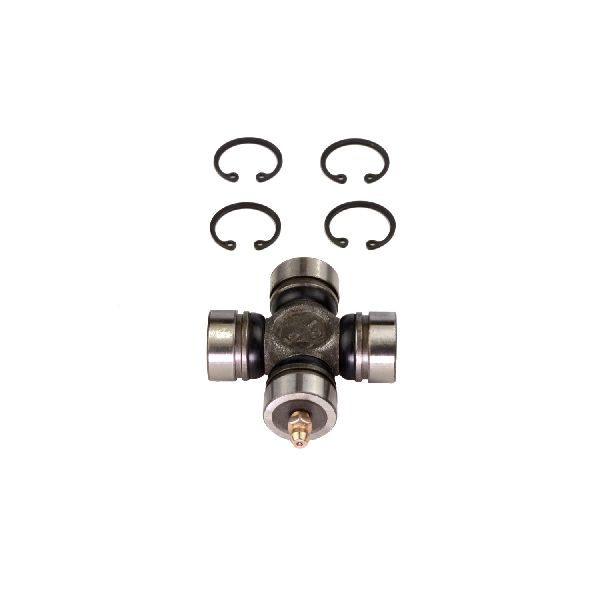
Many aftermarket U-joints (like Moog and some GMB models) are "greasable," meaning they have a zerk fitting that allows you to add fresh grease. This is great for pushing out water and contaminants, especially after off-roading in mud or water. Non-greasable joints are sealed from the factory and are sometimes considered slightly stronger because the cross is solid, but they can't be serviced. For most Samurai owners, especially those who go off-road, a greasable U-joint is a smart upgrade.
Frequently Asked Questions (FAQ)
How many U-joints does my Suzuki Samurai have?
Your Samurai has a total of six universal joints. There are two on the short driveshaft between the transmission and transfer case, two on the front driveshaft, and two on the rear driveshaft.
Should I replace all the U-joints at once?
If one U-joint has failed due to age and mileage, the others are likely near the end of their service life. It is common practice to replace both U-joints on the same driveshaft at the same time. If your budget allows and you are already removing the driveshafts, replacing all six provides peace of mind, especially on a vehicle that is over 30 years old.
Is replacing a U-joint a DIY job?
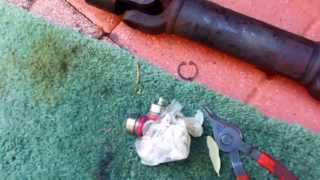
Yes, this is a common job for Samurai owners. However, it requires specific tools, including a sturdy bench vise, sockets of various sizes to press the caps out, and snap ring pliers. It can be a frustrating job, as the old joints can be seized with rust. Watching a few tutorial videos is highly recommended before you start.
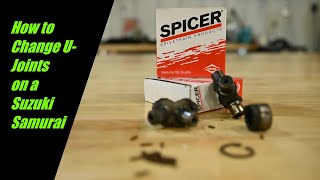
🎬 See this step-by-step walkthrough for changing Samurai U-joints.Are there any recalls for the Suzuki Samurai U-joint?
No, there are no specific recalls or technical service bulletins (TSBs) from Suzuki or the NHTSA related to universal joint failure on the 1985-1995 Samurai. Failures are typically due to normal wear and tear, which is often accelerated by off-road use or lack of lubrication.
Helpful Videos
Technical Specifications
OEM Part Numbers: S27200-83812
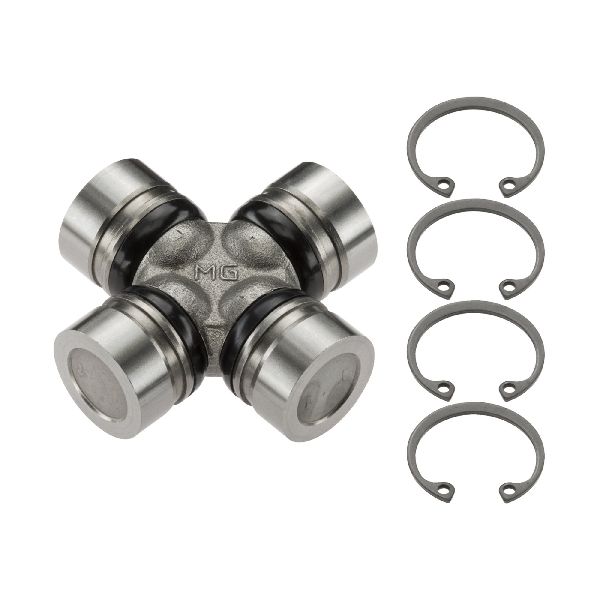
Bearing Cap Diameter: 0.984 in (25mm), Overall Width: 2.512 in (63.8mm). The Samurai uses six identical U-joints across its three driveshafts.
We Have This Part in Stock

The information in this article is provided for general reference and educational purposes only. Vehicle specifications, procedures, and part compatibility can vary by production date, trim level, and region. Always consult your vehicle's factory service manual and verify part numbers before purchasing or performing repairs. Safety-critical components such as airbags, seat belts, and braking systems should be installed by a qualified professional.
- Suzuki Samurai: