

A/C Compressor Replacement Guide for the 1985-1995 Toyota Corolla
Is your classic Corolla's A/C blowing warm? Here’s what you need to know before replacing the compressor.
- Denso is the OEM supplier for Toyota; choosing a new Denso compressor is the most reliable option.
- You MUST replace the receiver/drier and expansion valve with the compressor to prevent premature failure and to maintain the warranty.
- If the old compressor failed internally ('Black Death'), the entire system needs to be flushed and the condenser replaced to protect the new part.
- A/C system repair is not DIY-friendly as it requires expensive, specialized equipment to handle refrigerant legally and safely.
Is Your Corolla's A/C Compressor Failing?
For a car from the 1985-1995 era, A/C problems are common. The compressor is a hard-working part, and after decades of service, failure is expected. Identifying the problem correctly will help you buy the right parts and avoid wasting money.
🎬 Watch: How to diagnose your Corolla's A/C system problems.Common Symptoms of a Bad A/C Compressor:
- Warm Air: The most obvious sign is when your A/C system blows air that is cool but not cold, or just plain warm. This happens when the compressor can no longer effectively pressurize the refrigerant.
- Strange Noises: Loud grinding, squealing, or clicking sounds when you turn the A/C on point to internal mechanical failure. The internal bearings or other components are likely wearing out.
- Stuck Clutch: The compressor's clutch is supposed to engage with a 'click' when you turn on the A/C. If it doesn't engage, the compressor isn't turning on. If it's always engaged or has seized, it can cause other problems.
- Fluid Leaks: Visible leaks of refrigerant oil around the compressor body or seals are a clear sign of failure.
Critical Failure Warning: A/C "Black Death"
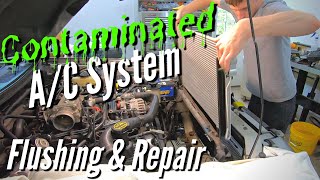
The worst-case scenario for compressor failure is known as "Black Death." This happens when the compressor fails internally and sends tiny metal fragments and contaminated oil throughout the entire A/C system. This creates a thick, black sludge that clogs everything. If this occurs, you cannot simply replace the compressor. You must also replace the A/C condenser, receiver/drier, and expansion valve, and thoroughly flush all A/C lines to prevent the new compressor from failing immediately. 🎬 Watch: How to properly flush and recharge a contaminated system. Inspecting the old oil is critical during the repair.
🎬 See why Black Death happens and how to identify it.Choosing the Right Aftermarket Compressor for Your Corolla
For a vehicle of this age, a new aftermarket compressor is the most common and cost-effective choice. Original Equipment (OEM) parts from a Toyota dealer are often expensive or no longer available. Here’s how the available aftermarket brands generally stack up.
Brand Quality Tiers
- OEM-Equivalent (Best Quality): Denso
Denso is the original equipment manufacturer for Toyota, meaning they made the compressor that your Corolla came with from the factory. Choosing a new aftermarket Denso compressor is the safest bet for fit, performance, and long-term reliability. It will perform just like the original part because it is the original part, just sold in a different box. - Tier 1 Aftermarket: Delphi
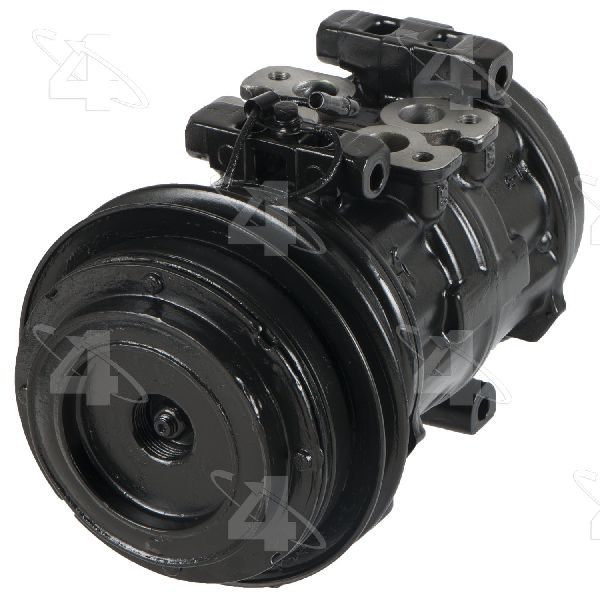
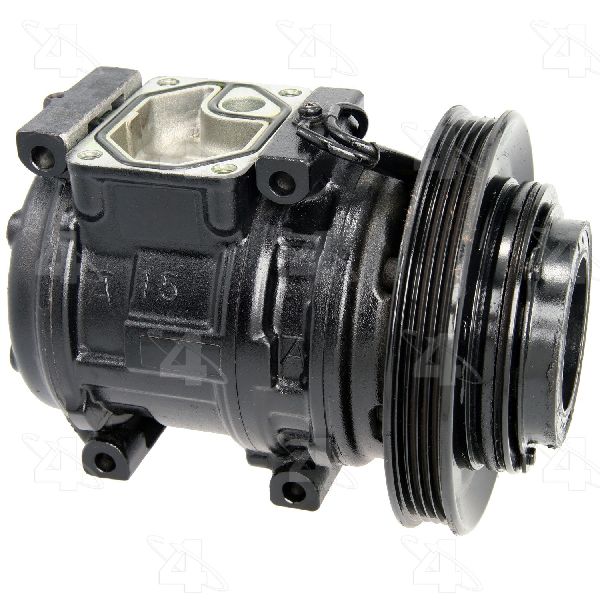
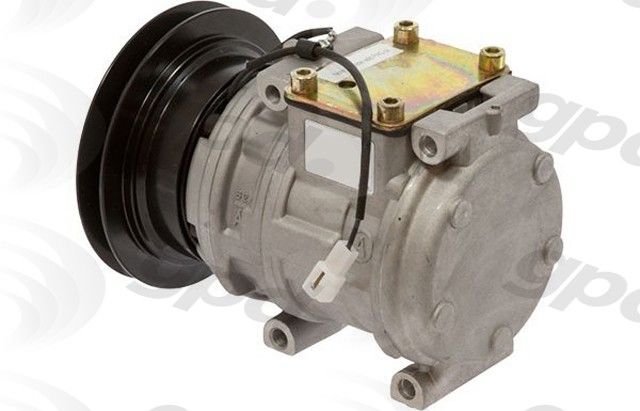
Delphi is a major OEM supplier for many car brands and has a strong reputation for quality. While perhaps not the original for your specific Corolla, their parts are engineered to meet or exceed factory specifications and are a very reliable choice. - Standard Aftermarket: Four Seasons, Global Parts (GPD), Nissens
These brands are well-known in the aftermarket and offer a good balance of quality and affordability. They are a popular choice for older vehicles where budget is a primary concern. While they may not have the same long-term durability reputation as Denso, they provide a functional and cost-effective repair.
Pro Tip: Always Buy a Kit
Whenever you replace an A/C compressor, you must also replace the receiver/drier (or accumulator) and the expansion valve. Most warranties for new compressors are void if you don't. These parts filter moisture and debris from the system, and a new compressor needs a clean, dry environment to survive.
What to Expect for Replacement Costs
The cost to replace the A/C compressor in a 1985-1995 Toyota Corolla will vary based on the parts you choose and local labor rates. A/C work requires special equipment to handle refrigerant, so this is not a typical DIY job.
| Part/Service | Estimated Cost |
|---|---|
| New Aftermarket Compressor | $211 - $461 |
| A/C System Kit (Drier, Expansion Valve, O-rings) | $50 - $150 |
| Shop Labor (including system evacuation & recharge) | $300 - $500 |
| Total Estimated Cost | $561 - $1,111 |
Cost estimates are for reference only and may vary by location and vehicle condition.
Frequently Asked Questions
Do I have to replace other parts with the compressor?
Yes. At a minimum, you must replace the receiver/drier and the expansion valve. The receiver/drier removes moisture from the refrigerant, and installing a new one is critical for the longevity of the new compressor. Failure to do so will likely void the part's warranty and lead to premature failure.
Can I just replace the A/C clutch?
While sometimes possible, it is generally not recommended for this vehicle. Often, a failing clutch is a symptom of a failing compressor (e.g., high internal resistance). Given the age of the vehicle and the cost of labor, replacing the entire compressor assembly is a more reliable and often more economical repair in the long run.
New vs. Remanufactured: Which is better for my Corolla?
For a critical component like an A/C compressor, a new part is almost always the better choice. While remanufactured parts are cheaper, their quality can be inconsistent. Given the high cost of labor and refrigerant for A/C jobs, the extra money for a new compressor from a reputable brand like Denso is a good investment to avoid doing the job twice.
What is R-12 vs R-134a refrigerant?
Corollas made before 1994 originally used R-12 refrigerant, which is no longer available. Most of these older systems have been converted to the modern R-134a standard. When ordering your compressor, ensure it is compatible with R-134a refrigerant and the corresponding system oil (PAG oil). If your system is still R-12, you will need to have it professionally converted.
Helpful Videos


Technical Specifications
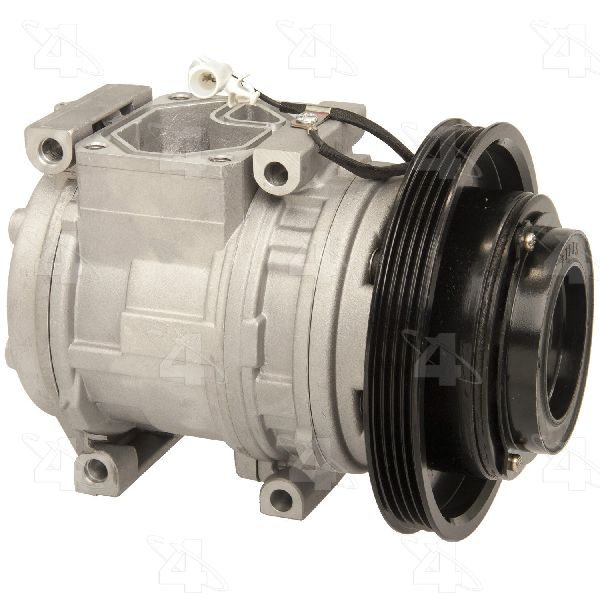
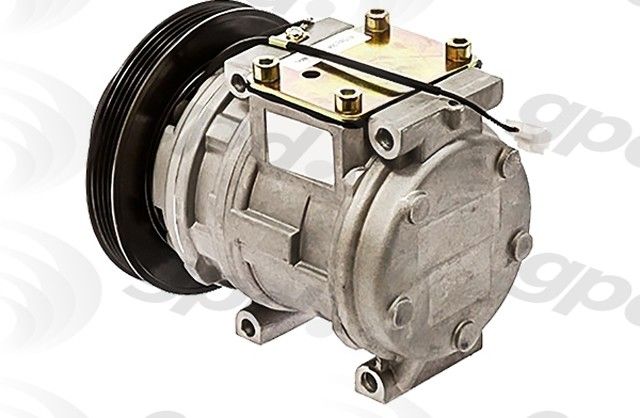
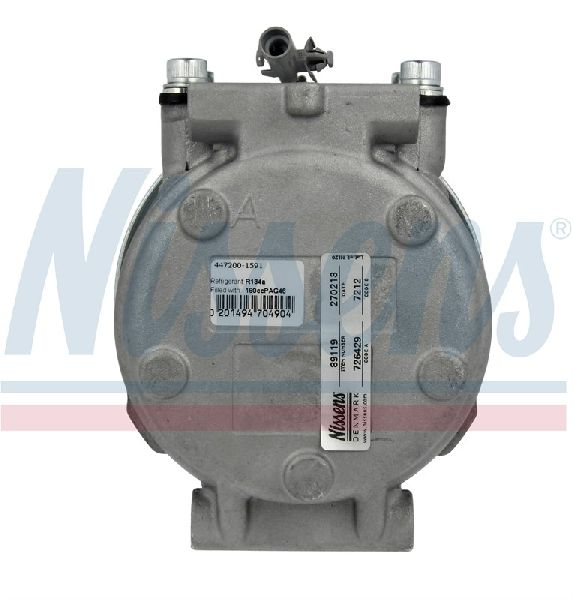
The 1985-1995 Toyota Corolla commonly uses a 10P15C type compressor. However, you must verify the exact model for your specific year and engine (1.6L or 1.8L) before ordering. Most systems from this era have been converted from R12 to R134a refrigerant.
We Have This Part in Stock

The information in this article is provided for general reference and educational purposes only. Vehicle specifications, procedures, and part compatibility can vary by production date, trim level, and region. Always consult your vehicle's factory service manual and verify part numbers before purchasing or performing repairs. Safety-critical components such as airbags, seat belts, and braking systems should be installed by a qualified professional.
- Toyota Corolla:
- 🎬 Helpful Videos
- 🛍️ Shop This Part
- Is Your Corolla's A/C Compressor Failing?
- Common Symptoms of a Bad A/C Compressor:
- Critical Failure Warning: A/C "Black Death"
- Choosing the Right Aftermarket Compressor for Your Corolla
- Brand Quality Tiers
- Pro Tip: Always Buy a Kit
- What to Expect for Replacement Costs
- Frequently Asked Questions
- 🎟️ Get 5% Off