

Throttle Position Sensor (TPS) Guide for 1985-1995 Toyota Pickup
Solve rough idle, hesitation, and poor performance by understanding the throttle position sensor in your classic Toyota truck.
- Proper adjustment is more important than brand; a new TPS must be calibrated with a multimeter and feeler gauges.
- Symptoms like rough idle, hesitation, and bad automatic shifting strongly point to a TPS issue on these trucks.
- Before replacing, always test your current TPS. The problem might just be a poor adjustment.
- Verify the correct OEM part number for your specific year and engine, as several different sensors were used.
Is Your Toyota Pickup's TPS Failing?
A bad or improperly adjusted Throttle Position Sensor (TPS) on a 1985-1995 Toyota Pickup can cause a surprising number of problems. Because this sensor tells the engine's computer how much throttle you're giving it, a wrong signal can lead to poor performance. You might notice the engine hesitates or stumbles when you accelerate. A rough, unstable, or surging idle is another very common symptom. In trucks with an automatic transmission, you might experience erratic or delayed shifting. In some cases, a bad TPS will turn on the Check Engine Light, often with codes related to the TPS signal.
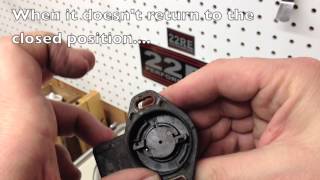
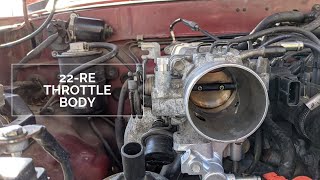
🎬 Watch: Common drivability issues caused by a faulty 22RE sensor.Choosing the Right Aftermarket TPS
When replacing the TPS on these older Toyota trucks, you have a few options. While an OEM (Original Equipment Manufacturer) sensor from Toyota is often recommended by enthusiasts for perfect fit and function, quality aftermarket parts provide a reliable and more affordable alternative. Many owners have successfully used aftermarket sensors, but proper adjustment is the key to success, regardless of the brand.
Here's a general breakdown of aftermarket brand quality:
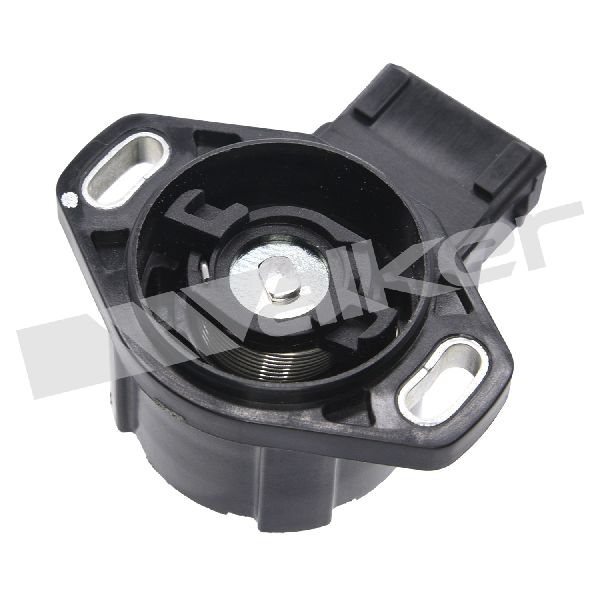
- Premium Aftermarket (e.g., Beck Arnley, Standard Motor Products, Walker Products): These brands often have a strong reputation. Beck Arnley, for example, is known to sometimes source parts from the original OEM suppliers. Standard Motor Products (SMP) is a long-standing brand; just be aware they offer different quality tiers. These are generally a safe bet for a quality replacement.
- Standard Aftermarket (e.g., Global Parts, Replacement): These brands offer a balance of affordability and function. They are designed to meet original specifications and can work well, but it's crucial to verify fitment and be prepared for a careful adjustment process. Some forum users have noted that cheaper, unbranded sensors can sometimes be problematic or fail prematurely.
Cost of Replacing a Toyota Pickup TPS
The cost can vary, but this is generally an affordable repair, especially if you do it yourself. The part itself is the main expense.
| Part Type | Estimated Cost |
|---|---|
| New Aftermarket TPS | $34.46 - $186.42 |
| New OEM TPS | $100 - $170 |
| Used OEM TPS | $40 - $75 |
| Shop Labor | $50 - $150 |
Frequently Asked Questions
Do I have to replace the TPS, or can I just adjust it?
Sometimes, performance issues are caused by a sensor that is simply out of adjustment, not broken. If you have the symptoms of a bad TPS, the first step should be to test and adjust your current one using a multimeter and feeler gauges. If it cannot be adjusted to the correct specifications, it needs to be replaced.
How is a new TPS calibrated or adjusted?
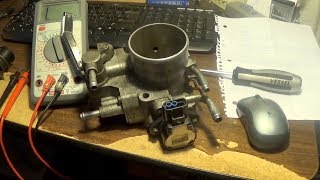
The TPS on a 1985-1995 Toyota Pickup requires manual adjustment. This is not a simple plug-and-play part. The process involves loosening the sensor's mounting screws and rotating it slightly until specific resistance values are measured with a multimeter at different throttle openings (checked with feeler gauges). Detailed procedures are available online and in factory service manuals. 🎬 Watch: Step-by-step guide to testing and adjusting your TPS. Proper adjustment is absolutely critical for engine performance.
Can a bad TPS cause a no-start condition?
It's unlikely. A bad TPS will typically cause poor running conditions like rough idle, stalling, and hesitation, but it usually won't prevent the engine from starting altogether. If your truck doesn't start, you should investigate other components like the battery, starter, fuel pump, or ignition system first.
What tools are needed to replace and adjust the TPS?
You will need basic hand tools like a screwdriver (preferably a stubby one or a small ratchet with a bit) to remove and install the sensor. For the critical adjustment step, you will need a multimeter that can measure resistance (ohms) and a set of automotive feeler gauges. Alligator clips for the multimeter leads are also very helpful.
Helpful Videos
Technical Specifications
OEM Part Numbers: 89452-12040 89452-20050 89452-28030 89452-22090 89452-20060
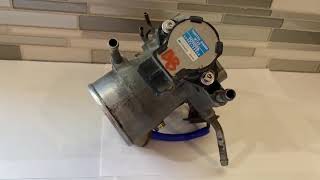
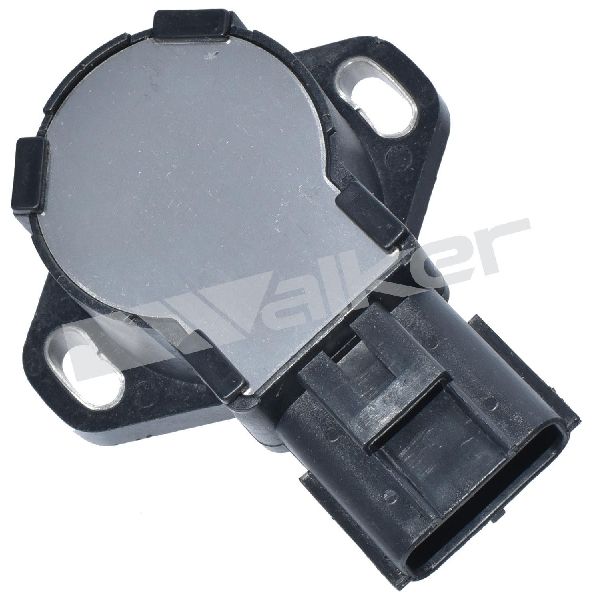
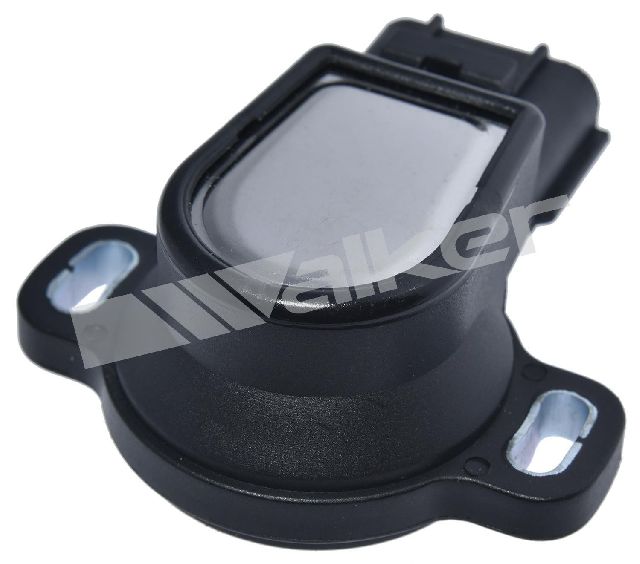
This is a 4-pin variable resistor sensor that mounts to the side of the throttle body. It requires precise resistance measurements at specific throttle openings for proper calibration.
We Have This Part in Stock


The information in this article is provided for general reference and educational purposes only. Vehicle specifications, procedures, and part compatibility can vary by production date, trim level, and region. Always consult your vehicle's factory service manual and verify part numbers before purchasing or performing repairs. Safety-critical components such as airbags, seat belts, and braking systems should be installed by a qualified professional.
- Toyota Pickup: