

Cadillac Commercial Chassis Engine Intake Manifold Temperature Sensor Guide (1985-1996)
Understanding the signs of a failing intake air temperature sensor on your 1985-1996 Cadillac Commercial Chassis.
- A failing IAT sensor commonly causes a Check Engine Light, poor fuel economy, rough idle, and hard starting.
- This is an easy and inexpensive DIY repair that typically takes less than 15 minutes.
- Before replacing the sensor, check its electrical connector for damage or corrosion, as this can cause the same symptoms.
- For this vehicle, a quality aftermarket brand like Standard Ignition is a reliable and cost-effective choice.
Is your Cadillac running rough or getting poor gas mileage? A bad intake air temperature sensor could be the culprit.
For owners of the 1985-1996 Cadillac Commercial Chassis, which includes hearses, limousines, and other professional vehicles, engine reliability is key. The Intake Air Temperature (IAT) sensor is a small but important part of the fuel injection system. When it fails, it can cause noticeable performance issues. Because these vehicles are often used for commercial purposes, addressing these symptoms promptly can prevent bigger headaches down the road.
Symptoms of a Failing IAT Sensor
A bad IAT sensor sends incorrect information to the engine's computer. This can trick the computer into thinking the air is much colder or warmer than it actually is, leading to the wrong fuel mixture. Common signs include:
- Check Engine Light: This is often the first sign. The computer will store a trouble code, most commonly P0112 or P0113.
- Poor Fuel Economy: If the sensor falsely reads cold air, the computer will enrich the fuel mixture, causing the engine to use more gas than necessary.
- Rough Idle: An incorrect air-fuel ratio can make the engine idle unevenly.
- Hard Starting: The engine may be difficult to start, especially in cold weather, if the fuel mixture isn't right for the conditions.
- Engine Hesitation or Stalling: During acceleration, the engine might hesitate, stumble, or feel sluggish. In some cases, it may stall shortly after starting.
A Note on Trouble Code P0113
A very common code associated with this sensor is P0113 (Intake Air Temperature Sensor 1 Circuit High Input). This code often means there is an open in the circuit, which could be caused by a broken wire, a corroded connector, or an unplugged or internally failed sensor. The computer interprets this as an extremely low temperature, like -40°F, and may default to a rich fuel mixture.
Choosing the Right Aftermarket Sensor
For a vehicle from this era, aftermarket sensors offer a cost-effective and reliable solution. OEM parts may be difficult to source and are often unnecessary for a simple component like an IAT sensor. Here’s a look at the available brand tiers:
- Standard Ignition: This is a well-regarded aftermarket brand known for producing quality parts that meet or exceed original equipment specifications. They perform extensive testing and are a trusted choice for professional technicians. Choosing a brand like Standard Ignition provides confidence in the part's performance and longevity.
- True Tech: This brand falls into the economy or value tier. While it offers a more budget-friendly price point, there is less public information available regarding its manufacturing process and long-term reliability compared to more established brands. It can be a suitable choice for a quick, low-cost repair.
Pro Tip: Check the Connector
Before replacing the sensor, always inspect the wiring and electrical connector. On older vehicles, connectors can become brittle, and wires can corrode or break. Sometimes, the problem is a bad connection, not the sensor itself. Cleaning the connector terminals or repairing a damaged wire might solve the issue for less than the cost of a new part.
Typical Replacement Costs
Replacing the IAT sensor is a straightforward job. The part itself is inexpensive, and labor is minimal.
| Part/Service | Estimated Cost |
|---|---|
| New Aftermarket Sensor | $19 - $43 |
| Shop Labor | $50 - $100 |
| Total Estimated Cost | $69 - $143 |
Frequently Asked Questions
Where is the IAT sensor located on a 1985-1996 Cadillac Commercial Chassis?
The IAT sensor is typically screwed into the air intake system. You will usually find it in the flexible air intake tube between the air filter box and the engine's throttle body, or sometimes directly on the intake manifold itself.
Can I replace this sensor myself?
Yes, this is a very DIY-friendly repair. The job usually requires only basic hand tools. Simply locate the sensor, disconnect the electrical plug, and unscrew the old sensor. Screw the new one in, reconnect the plug, and you're done. The entire process often takes less than 15 minutes.
Will a bad IAT sensor prevent my vehicle from starting?
While it can cause hard starting, especially in the cold, a complete no-start condition is unlikely to be caused solely by a bad IAT sensor. The engine may struggle to fire up or stall immediately after starting, but it will usually run.
Is there a difference between an Intake Manifold Temperature Sensor and an Intake Air Temperature Sensor?
No, these names refer to the same part. It may also be called an Air Charge Temperature Sensor. The function is the same: to measure the temperature of the air entering the engine for combustion.
Technical Specifications
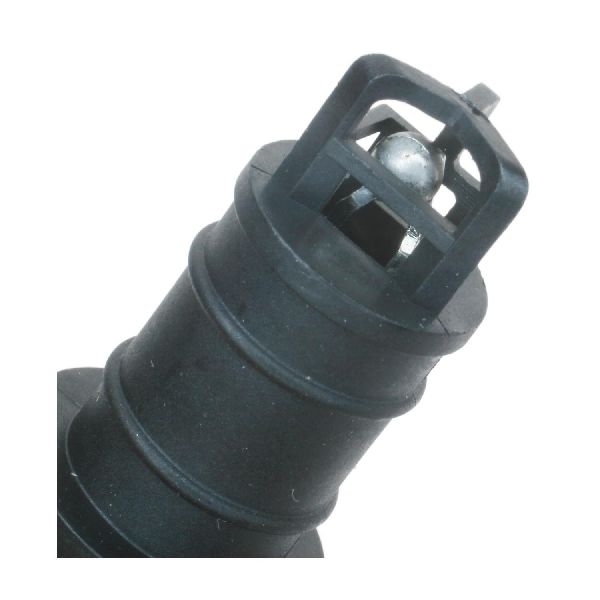
The sensor is a two-wire thermistor that screws into the intake system. Its electrical resistance changes with air temperature, sending a variable voltage signal to the engine computer.
We Have This Part in Stock


The information in this article is provided for general reference and educational purposes only. Vehicle specifications, procedures, and part compatibility can vary by production date, trim level, and region. Always consult your vehicle's factory service manual and verify part numbers before purchasing or performing repairs. Safety-critical components such as airbags, seat belts, and braking systems should be installed by a qualified professional.
- Cadillac Commercial Chassis:
- 🛍️ Shop This Part
- Is your Cadillac running rough or getting poor gas mileage? A bad intake air temperature sensor could be the culprit.
- Symptoms of a Failing IAT Sensor
- A Note on Trouble Code P0113
- Choosing the Right Aftermarket Sensor
- Pro Tip: Check the Connector
- Typical Replacement Costs
- Frequently Asked Questions
- 🎟️ Get 5% Off