

Ford E-150 Econoline HVAC Blower Motor Resistor Guide (1985-1996)
Restore all your fan speeds and fix the common issue of the blower only working on high.
- The most common symptom of failure is the fan only working on the 'high' setting.
- Always inspect the wiring connector for melting or corrosion; it's best to buy a kit that includes a new connector pigtail.
- If a new resistor fails quickly, the blower motor is likely drawing too much current and should also be replaced.
- The resistor is located under the hood on the passenger side and requires removing the battery for access.
Symptoms of a Failing Blower Motor Resistor
When the blower motor resistor in your 1985-1996 E-150 starts to fail, the signs are usually very clear. Because of its simple design, the symptoms are consistent across these model years.
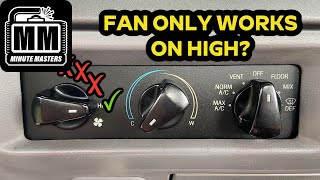
- Blower Only Works on High: 🎬 See why the fan fails on low speeds in this video. This is the most common symptom. The lower speed settings (I, II, III) rely on the resistor to reduce electrical current. The high setting bypasses the resistor, which is why it continues to work even when the resistor is broken.
- No Airflow on Any Setting: If the resistor fails completely or if the integrated thermal fuse blows, you might not get any air from your vents at all.
- Burning Smell or Melted Connector: A very common issue on these Ford vans is for the resistor or its wiring connector to overheat and melt. You might notice a plastic burning smell coming from the vents, especially when you first turn the fan on. Always inspect the connector for burn marks, corrosion, or melting when replacing the resistor.
- Inconsistent or Intermittent Fan Speeds: The fan may work sometimes and not others, or switch speeds on its own. This can be caused by corroded terminals or loose internal connections in the resistor.
Check the Blower Motor and Fan Switch
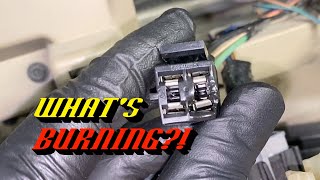
A failing blower motor can draw too much electricity, causing the new resistor to burn out quickly. If you've replaced the resistor before and it failed again, your blower motor is likely the real problem. Also, on these Econoline vans, the fan control switch on the dashboard can also melt internally, causing the same symptoms as a bad resistor. If a new resistor doesn't fix the issue, check the switch next.
🎬 Watch how a melted dashboard switch can mimic resistor failure.Choosing the Right Aftermarket Part
For a vehicle like the 1985-1996 Econoline, aftermarket parts offer excellent value and are widely available. There is little practical difference in performance between a standard aftermarket part and an OEM part for this component, as long as you choose a reputable brand.
Pro Tip: Always buy a resistor kit that includes a new wiring harness/pigtail. The original connector is a known failure point that often melts. Cutting out the old connector and splicing in a new one is the best way to ensure a lasting repair.
- Premium Brands (Standard Ignition, Dorman Kits): Brands like Standard Ignition (and their premium Blue Streak line) are known for high-quality materials that resist heat and corrosion. Dorman is also a trusted choice, and they frequently offer complete kits with the essential replacement harness, making them a top pick for this specific repair.
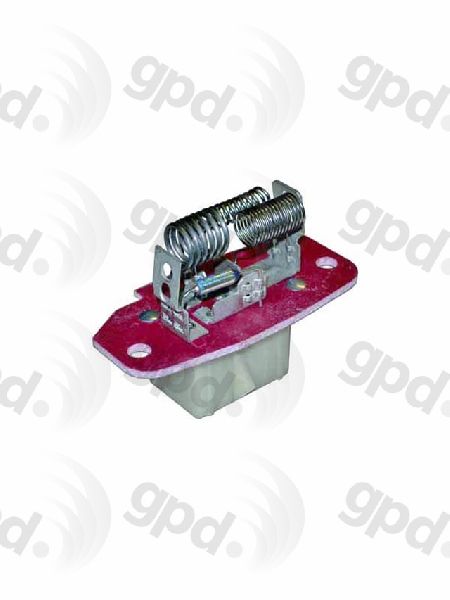
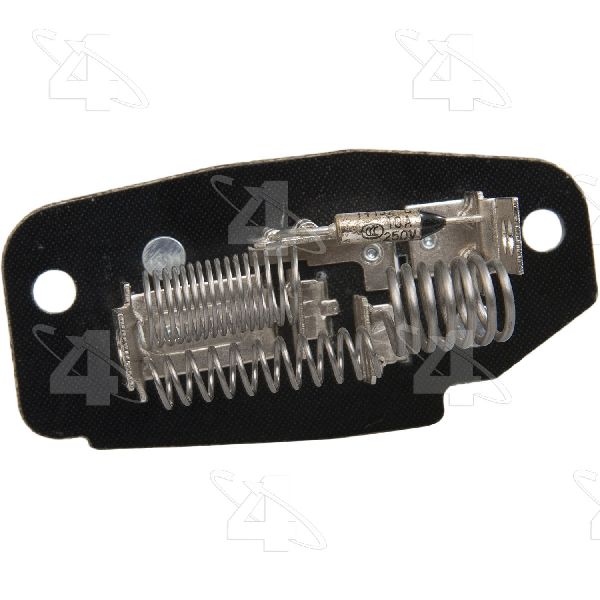
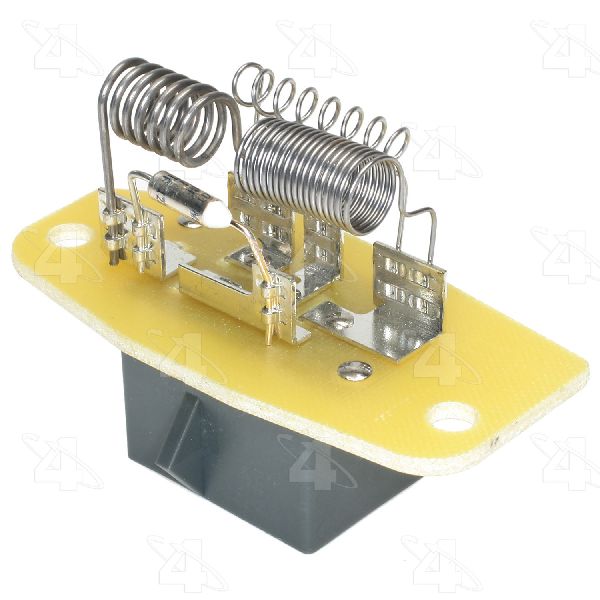
- Standard Brands (Four Seasons, Global Parts): These brands provide reliable, direct-fit replacements that meet original specifications. They are a cost-effective solution for getting your HVAC system working again. While some reviews are mixed, they are generally considered a good value for daily use.
Installation Guide
Replacing the blower motor resistor is a straightforward job that a DIYer can complete in about 30-60 minutes.
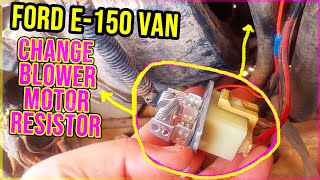
- Locate the Resistor: On the 1985-1996 E-150, the resistor is in the engine bay on the passenger side. It's mounted on the black plastic HVAC box, right next to the blower motor itself.
- Disconnect the Battery: Always disconnect the negative battery terminal before working on any electrical components.
- Remove the Battery: To get clear access, you will need to remove the battery. You may also need to remove the battery tray, which is typically held by a few bolts.
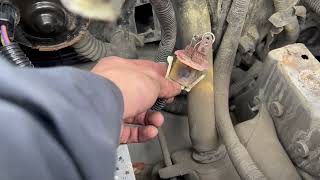
- Unplug and Remove: Unplug the electrical connector from the resistor. Inspect it closely for melting or burn marks. Remove the two screws (usually 8mm) holding the resistor to the HVAC box and pull it out. 🎬 Watch this step-by-step walkthrough of the removal and installation process.
- Install the New Resistor: If your old connector is melted, cut it off and use butt connectors to splice the new pigtail harness, matching the wire colors. Install the new resistor, plug in the harness, and re-install the battery tray and battery.
Cost to Replace Ford E-150 Blower Motor Resistor
| Part Type | Estimated Cost |
|---|---|
| New Aftermarket Part | $15.44 - $55.93 |
| Shop Labor | $50 - $100 |
| Total Estimated Cost | $65 - $156 |
Frequently Asked Questions (FAQ)
Where is the blower motor resistor located on a 1985-1996 E-150?
It is located under the hood on the passenger side, mounted directly onto the plastic HVAC housing near the round blower motor. Access requires removing the battery and possibly the battery tray.
Why did my new resistor burn out after only a few weeks?
This is almost always caused by a failing blower motor. The old motor draws too much electrical current, which overheats and destroys the new resistor. If a resistor fails quickly, you should replace both the resistor and the blower motor at the same time.
Do I really need to replace the wiring connector too?
It is highly recommended. The connector melting is a very common failure point on these vans. Even if it looks okay, it may have internal damage or a weak connection that will cause the new resistor to fail prematurely. Using a kit with a new pigtail harness is the best practice.
My fan only works on high. I replaced the resistor and it still only works on high. What's next?
The next most likely culprit is the fan speed control switch on the dashboard. On Econoline vans, it's common for the switch itself or its connector to melt from heat, causing a loss of the lower fan speeds.
Helpful Videos
Technical Specifications
OEM Part Numbers: E7UZ19A706A F2UZ19A706A
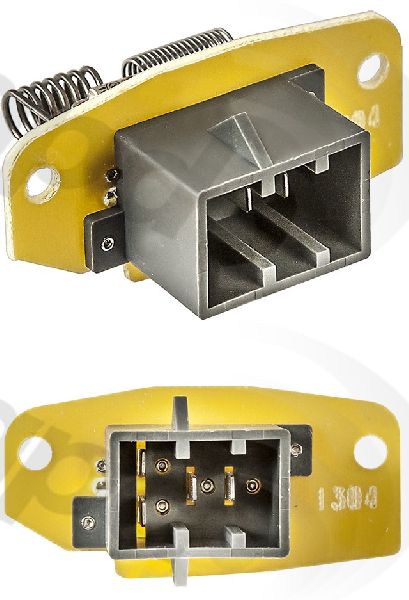
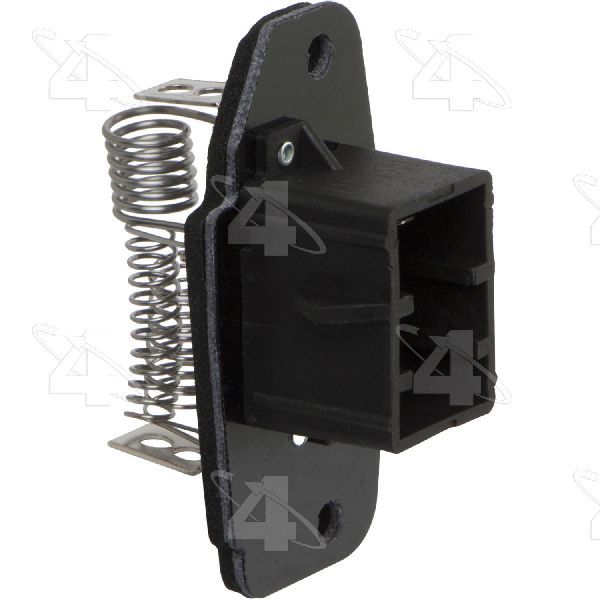
Typically a 4-terminal, coil-style resistor. Often sold as a kit with a replacement wiring harness.
We Have This Part in Stock


The information in this article is provided for general reference and educational purposes only. Vehicle specifications, procedures, and part compatibility can vary by production date, trim level, and region. Always consult your vehicle's factory service manual and verify part numbers before purchasing or performing repairs. Safety-critical components such as airbags, seat belts, and braking systems should be installed by a qualified professional.
- Ford E-150 Econoline: