

Chevrolet Caprice Engine Coolant Temperature Sensor Guide (1985-1997)
A bad coolant sensor can cause poor fuel economy, rough running, and even overheating in your Caprice. Here's how to choose the right replacement.
- For 1994-1996 Caprice models, verify if you need the computer's sensor (on the water pump) or the gauge's sender (on the cylinder head).
- A bad sensor can cause a Check Engine Light, poor fuel economy, black smoke, and potential overheating.
- ACDelco and Delphi are OE-quality brands that offer the most reliable performance for this part.
- Replacing the sensor is a simple DIY task that requires minimal tools and time.
Understanding Your Caprice's Coolant Sensor
The Engine Coolant Temperature (ECT) sensor is vital for your Caprice's performance and health. It acts like a thermometer for the engine's computer (often called the PCM or ECM). When the engine is cold, the sensor tells the computer to inject more fuel for easier starting. As the engine warms up, the computer leans out the fuel mixture for better fuel economy and lower emissions. It also uses this data to control the electric cooling fans to prevent overheating. A faulty sensor can send wrong signals, leading to a host of problems.
A Critical Note for 1994-1996 Caprice Owners
If you own a Caprice with the LT1 or L99 V8 engine (common in 1994-1996 models), your car has two separate coolant temperature sensors. This is the most important thing to know before buying a replacement.
- Engine Coolant Temperature (ECT) Sensor: This sensor is for the engine computer (PCM). It is located on the front of the water pump. A failure here will cause a Check Engine Light, poor performance, and bad fuel economy.
- Coolant Temperature Sender/Switch: This sensor is only for the temperature gauge on your dashboard. It is located on the driver's side cylinder head, between the spark plugs. If this part fails, your gauge will read incorrectly or not at all, but it will not affect how the engine runs.
For earlier models (1985-1993), the setup is typically a single sensor located on the intake manifold near the thermostat housing that provides information to the computer. Some of these models may still have a separate switch or sender for the gauge.
Common Ordering Mistake
Before ordering, identify which sensor has failed. If your Check Engine Light is on and the car runs poorly, you likely need the main ECT sensor. If your gauge is dead or inaccurate but the car runs fine, you need the gauge sender.
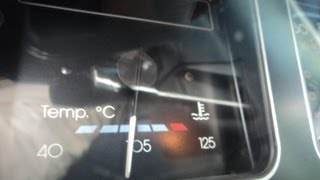
🎬 Learn more about troubleshooting a faulty dashboard temperature gauge.Symptoms of a Failing Coolant Sensor
When the main ECT sensor fails, your Caprice's computer receives bad information and can't manage the engine properly. Look out for these signs:
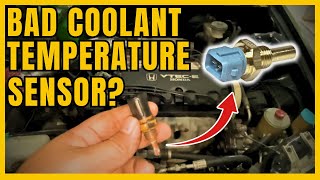
🎬 Watch this video to see common symptoms of sensor failure.- Poor Fuel Economy: If the sensor always reads "cold," the computer will continuously run a rich fuel mixture, wasting gas.
- Check Engine Light: A faulty sensor will trigger diagnostic trouble codes like P0117 (Circuit Low) or P0118 (Circuit High).
- Engine Overheating: If the sensor fails to report that the engine is hot, the electric cooling fans may not turn on when needed.
- Black Smoke from Exhaust: This is a sign of an extremely rich fuel mixture, caused by the computer thinking the engine is colder than it is.
- Hard Starting: The engine may be difficult to start, especially when cold, if the computer isn't getting the correct temperature reading.
Choosing the Right Aftermarket Sensor
While a genuine GM part is always an option, the aftermarket offers quality replacements at a good value. For a critical sensor like this, it's best to stick with reputable brands.
Aftermarket Brand Tiers for Chevrolet Caprice
| Tier | Brands | Quality Assessment |
|---|---|---|
| Tier 1: OE Quality | ACDelco, Delphi | ACDelco is the original GM parts brand. Delphi was the original parts manufacturer for many GM components, so their quality is considered equivalent to OEM. These brands offer the best fit, performance, and longevity. |
| Tier 2: Reputable Aftermarket | NGK, Standard Ignition (SMP), Hella, Beck Arnley | These are well-respected brands known for producing reliable electronic components that meet or exceed original specifications. They are a solid choice for a balance of price and quality. |
| Tier 3: Value Brands | Four Seasons, Walker Products, Motorad, Facet | These brands provide a budget-friendly option that will get the job done. While they may not have the same long-term durability as higher-tier brands, they are a viable solution for older vehicles or tight budgets. |
Known Issues, Recalls, and Service Bulletins
No specific recalls or widespread Technical Service Bulletins (TSBs) were found for the engine coolant temperature sensor on the 1985-1997 Chevrolet Caprice. Most failures are due to age, heat cycles, and corrosion from old coolant.
Pro Tip: Refresh Your Coolant
When replacing the sensor, you will lose a small amount of coolant. This is a great opportunity to check the condition of your coolant. If it's rusty or old, consider a full cooling system flush to protect your new sensor and the rest of the cooling system.
Frequently Asked Questions (FAQ)
Where is the coolant temperature sensor on my Caprice?
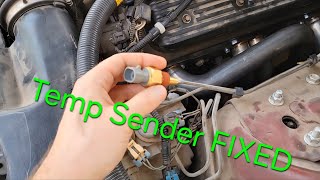
On 1994-1996 models with the LT1/L99 engine, the main sensor for the computer is on the front of the water pump. The sender for the gauge is on the driver's side cylinder head. 🎬 See how to replace the temperature sender on an LT1 engine. On 1985-1993 models, the main sensor is typically on the intake manifold, near the thermostat housing.
Can I replace the ECT sensor myself?
Yes, this is a very DIY-friendly job. It usually requires only basic hand tools. The sensor simply unscrews from the engine. Be prepared for a small amount of coolant to spill, and have the new sensor ready to install quickly to minimize the loss.
What's the difference between the sensor and the sender on my '95 Caprice?
The sensor (on the water pump) talks to the engine computer and affects engine performance. The sender (on the cylinder head) talks to your dashboard gauge and only affects the temperature reading you see.
Will a bad sensor make my car overheat?
Yes, it can. If the sensor fails to tell the computer that the engine is hot, the computer won't turn on the cooling fans, which can lead to overheating, especially in stop-and-go traffic.
Should I use thread sealant on the new sensor?
Most new sensors come with a sealant already applied to the threads. If not, it is a good idea to apply a small amount of thread sealant rated for automotive coolant systems to the threads only. Do not get any sealant on the tip of the sensor.
Helpful Videos
Technical Specifications
OEM Part Numbers: 12146312 15326386 25037332 10045847
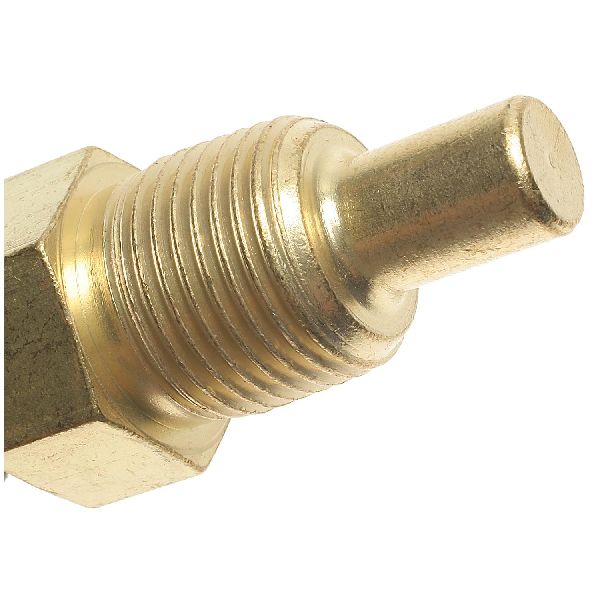
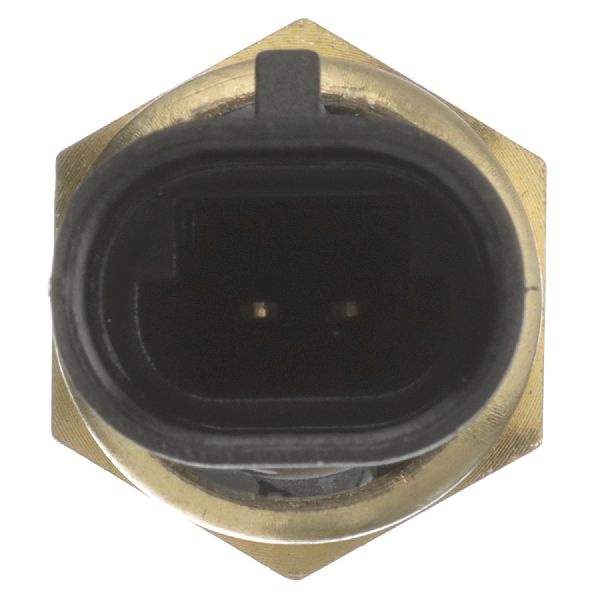
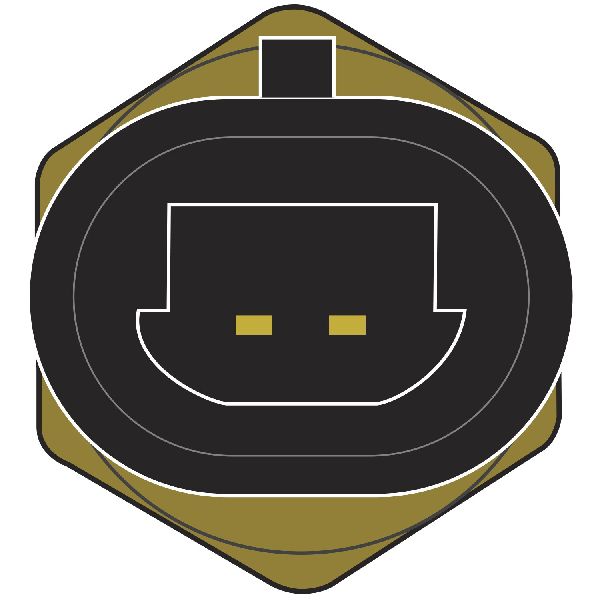
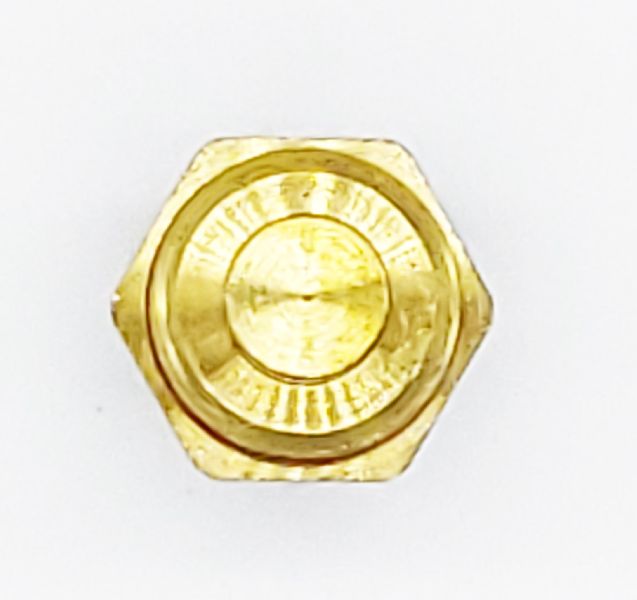
The sensor is a thermistor, meaning its electrical resistance changes with temperature. The engine computer reads this change in resistance to determine the coolant temperature. Most sensors for this application are made of brass with a two-pin electrical connector.
We Have This Part in Stock


The information in this article is provided for general reference and educational purposes only. Vehicle specifications, procedures, and part compatibility can vary by production date, trim level, and region. Always consult your vehicle's factory service manual and verify part numbers before purchasing or performing repairs. Safety-critical components such as airbags, seat belts, and braking systems should be installed by a qualified professional.
- Chevrolet Caprice:
- 🎬 Helpful Videos
- 🛍️ Shop This Part
- Understanding Your Caprice's Coolant Sensor
- A Critical Note for 1994-1996 Caprice Owners
- Common Ordering Mistake
- Symptoms of a Failing Coolant Sensor
- Choosing the Right Aftermarket Sensor
- Aftermarket Brand Tiers for Chevrolet Caprice
- Known Issues, Recalls, and Service Bulletins
- Pro Tip: Refresh Your Coolant
- Frequently Asked Questions (FAQ)
- 🎟️ Get 5% Off