

A Guide to the Distributor Cap on Your 1985-1997 Ford F-150
Solve rough idling and poor performance by understanding how to choose the right aftermarket distributor cap for your truck.
- Always replace the distributor rotor at the same time as the cap to ensure a complete repair.
- Carefully transfer spark plug wires one by one to the new cap to maintain the correct firing order.
- Choosing a quality aftermarket brand with brass terminals is a reliable and cost-effective option for these trucks.
- Inspect for moisture or oil inside the old cap, as this can point to other potential issues like bad seals.
Signs of a Failing Distributor Cap
A worn or faulty distributor cap can cause noticeable problems in your Ford F-150. Because it's a simple wear-and-tear item, it will eventually need to be replaced. Look out for these common symptoms:
- Rough Idle: The engine may shake or run unevenly when stopped.
- Engine Misfires: You might feel the engine stumble or hesitate during acceleration. This can sometimes trigger a Check Engine Light.
- Difficulty Starting: A truck that cranks for a long time before starting, or fails to start at all, can point to a distributor cap issue.
- Stalling: The engine may stall unexpectedly during operation.
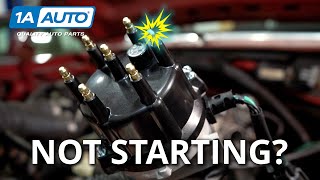
- Visible Damage: If you inspect the cap, look for cracks in the plastic, moisture inside, or white or greenish corrosion on the metal terminals. Carbon tracks, which look like fine pencil lines, are a sure sign the cap is bad. 🎬 Watch: How to identify symptoms and inspect for damage.
Moisture is the Enemy
Moisture getting inside the distributor cap is a common cause of failure. It can cause corrosion on the terminals and allow the spark to jump to the wrong place, leading to misfires. When replacing your cap, make sure the new one is seated correctly to keep it sealed.
Choosing the Right Aftermarket Distributor Cap
For a vehicle from this era, aftermarket parts are often just as good, if not better, than the original equipment (OEM) parts. The key is to choose a reputable brand. Cheap, no-name parts are known to fail quickly, sometimes by corroding within weeks. Here’s a look at the brands available:
Brand Quality Tiers
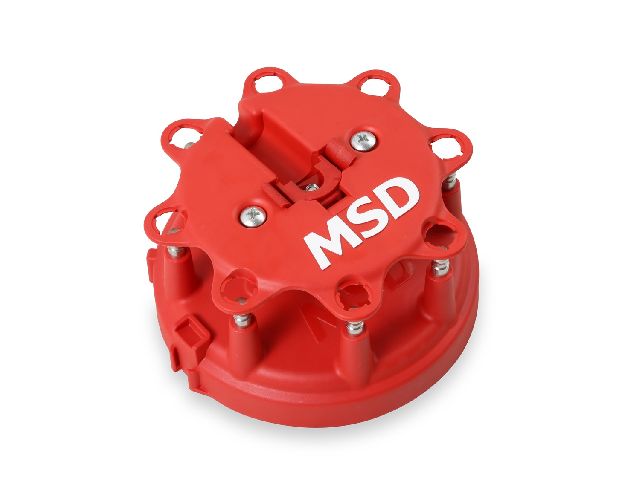
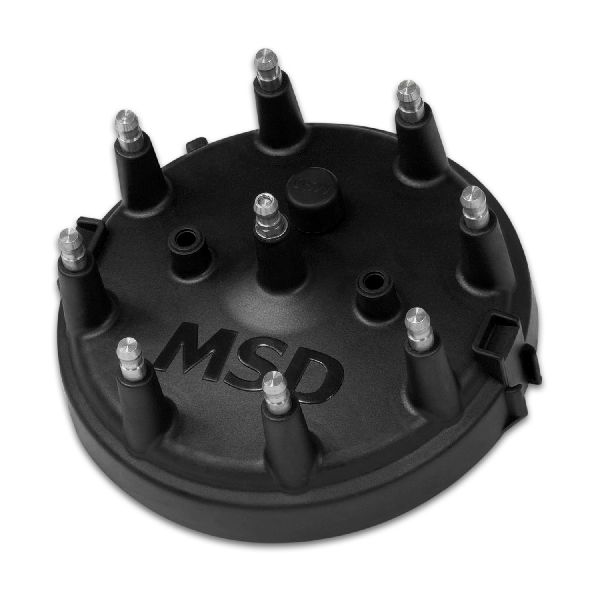
- High Performance (MSD): MSD is a well-known performance brand. Their caps are often a different color, like red, and are built to handle higher voltage from upgraded ignition systems. While they are considered high-quality and reliable, you may not see a performance benefit on a completely stock engine. They are a popular and trusted choice among enthusiasts.
- OE-Quality Replacement (Standard Ignition): Standard Motor Products (SMP) is widely regarded as a top-tier replacement part manufacturer. They produce parts that meet or exceed original specifications, often using high-quality materials like glass-reinforced polyester and solid brass terminals to prevent common issues like carbon tracking and corrosion. This is a solid, reliable choice for a daily-driven truck.
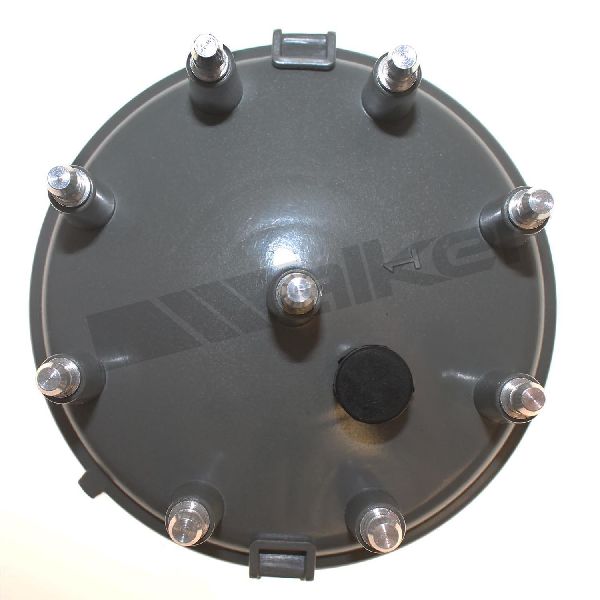
- Standard Replacement (Facet, Walker Products): Facet and Walker Products position themselves as OE-equivalent manufacturers, offering a balance of quality and value. They are designed to be direct-fit replacements that perform like the original part. While they may not have the high-performance reputation of MSD or the long-standing industry trust of Standard, they are a viable option for a standard repair.
Always Replace the Rotor, Too
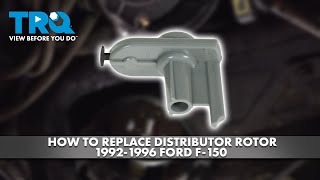
The distributor rotor is the spinning component inside the cap. It wears out at the same rate as the cap. Replacing both parts at the same time is essential for a complete and lasting repair. Most quality cap and rotor kits are sold together.
Cost to Replace a Distributor Cap on a 1985-1997 F-150
Replacing a distributor cap is one of the more affordable repairs you can make. The job is simple and doesn't take much time, which keeps labor costs low if you take it to a shop.
| Item | Estimated Cost |
|---|---|
| New Aftermarket Distributor Cap & Rotor Kit | $18 - $97 |
| Shop Labor | $73 - $140 |
| Total (Shop Repair) | $91 - $237 |
| Total (DIY) | $18 - $97 |
Frequently Asked Questions
Is this a difficult job to do myself?
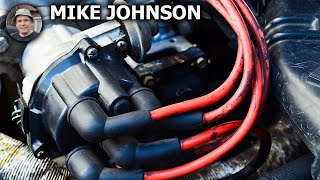
No, this is a great job for a beginner. The distributor cap is held on by two screws or clips. The main challenge is to move the spark plug wires from the old cap to the new cap one at a time, ensuring they go to the exact same position to maintain the correct firing order. 🎬 Watch: How to swap wires and the cap on 4.9L engines. The whole job can usually be done in under an hour with a screwdriver.
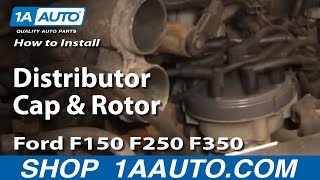
🎬 See this step-by-step walkthrough for replacing the cap and rotor.Should I choose a cap with brass or aluminum terminals?
Brass terminals are generally considered superior. They offer better conductivity and are more resistant to corrosion and pitting than aluminum terminals. Many owners report that caps with aluminum terminals corrode much faster, causing performance issues to return quickly.
Do I need to put grease on the terminals?
Yes, applying a small amount of dielectric grease to the terminals where the spark plug wires connect and on the rotor tip is a good practice. This grease helps prevent corrosion and ensures a good electrical connection. It does not conduct electricity but seals the connection from moisture.
My new cap looks different from the old one (e.g., different color). Is that okay?
Yes, aftermarket caps come in various colors like black, gray, blue, or red. The color does not affect performance. The important thing is that the cap is designed for your F-150's specific engine (4.9L I6, 5.0L V8, or 5.8L V8) and that the spark plug wire towers are in the same locations.
Helpful Videos

Technical Specifications
OEM Part Numbers: D7DZ-12106-A E7TZ-12106-A
The distributor cap for the 1985-1997 Ford F-150 varies depending on the engine (4.9L I6, 5.0L V8, 5.8L V8). The cap uses a standard clip-on or screw-down design with male-style terminals for socket-style spark plug wires. High-quality replacements are made from high-dielectric strength polyester to resist carbon tracking.
We Have This Part in Stock


The information in this article is provided for general reference and educational purposes only. Vehicle specifications, procedures, and part compatibility can vary by production date, trim level, and region. Always consult your vehicle's factory service manual and verify part numbers before purchasing or performing repairs. Safety-critical components such as airbags, seat belts, and braking systems should be installed by a qualified professional.
- Ford F-150: