

Saab 900 Accessory Drive Belt Replacement Guide (1985-1997)
Learn the key differences between Classic 900 V-belts and NG900 serpentine belts to choose the right parts.
- Identify your car first: 1985-1993 'Classic' models use multiple V-belts; 1994-1997 'NG' models use a single serpentine belt.
- For Classic 900s, always buy a 'matched set' of belts for the alternator to ensure even wear and performance.
- Squealing is the most common sign of a worn or loose belt; don't ignore it.
- When replacing a serpentine belt on an NG900, always inspect the tensioner and idler pulleys for noise or wobble.
Understanding Your Saab 900's Belt System
Before buying a new accessory drive belt, you must know which Saab 900 you own. The 1985-1997 model years cover two completely different cars.
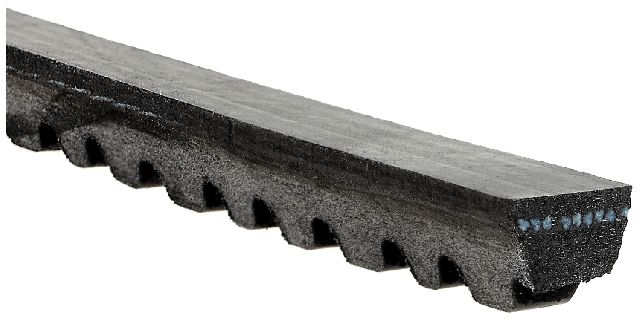
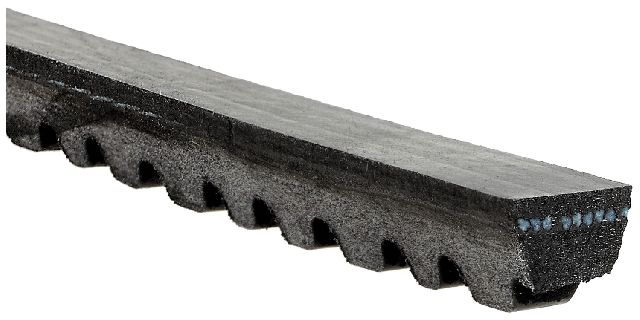
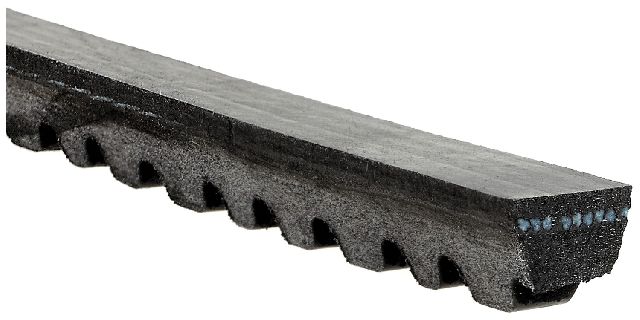
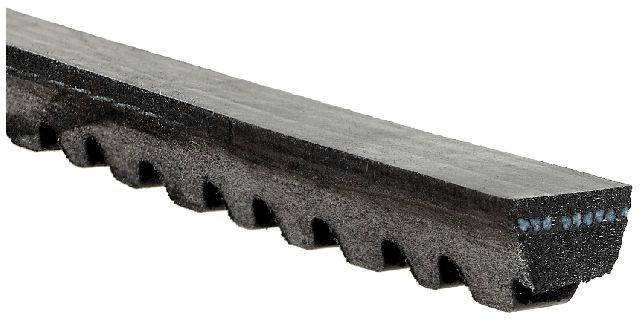
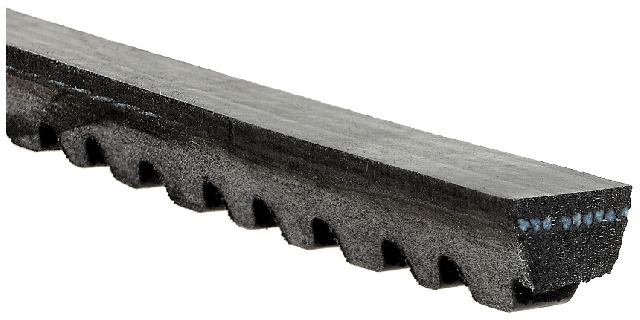
- 1985-1993 Classic 900 (c900): These cars use a multiple V-belt system. 🎬 Watch: Step-by-step guide to changing Classic 900 V-belts. You will have separate belts for the alternator, power steering, and A/C. The alternator is often driven by a matched pair of V-belts to handle the electrical load. When one belt shows wear, it's wise to inspect and likely replace all of them.
- 1994-1997 New Generation 900 (NG900): These models use a single, wide, multi-ribbed serpentine belt. This belt follows a specific path around all the engine accessories and is kept tight by a spring-loaded tensioner.
Symptoms of a Failing Drive Belt
A worn or failing belt will give you clear warning signs. Ignoring them can leave you stranded.
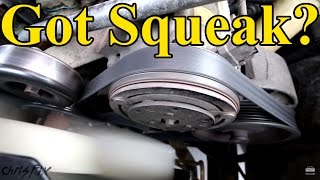
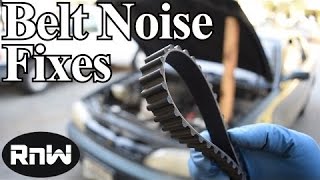
- Squealing Noises: This is the most common symptom. A high-pitched squeal, especially when starting the engine cold, turning the steering wheel, or switching on the A/C, points to a slipping belt. 🎬 Watch: How to diagnose and fix engine squealing noises.
- Battery Light: If the battery light on your dashboard comes on while driving, the belt that spins the alternator is likely slipping or has broken.
- Stiff Steering: On models with hydraulic power steering, a failing belt can cause the steering to become heavy and difficult to turn.
- Visible Wear: Inspect your belts. Look for cracks, fraying, missing chunks, or a glazed, shiny appearance on the belt's surface.
Critical Failure Warning
If a drive belt breaks completely, your car will lose power to critical systems. You will lose battery charging and power steering immediately. If the water pump is belt-driven on your model, the engine can overheat rapidly, leading to severe damage.
Choosing the Right Aftermarket Belt
Original Saab belts are no longer readily available new. However, high-quality aftermarket brands often meet or exceed original specifications. For a European car like Saab, certain brands have a better reputation.
Brand Quality Tiers (Based on Owner Feedback & Reputation):
- Top Tier (OEM Quality): Continental (also known as ContiTech) and Gates are consistently recommended as top choices for European vehicles. They are known for durability and quiet operation. Continental is often an original equipment supplier.
- Strong Mid-Tier: Bando and Dayco are also quality manufacturers. Bando is a major OEM for many Japanese cars and makes reliable belts. Dayco is a solid, widely available option.
- Standard Tier: ACDelco provides reliable parts that meet standard replacement needs.
For the Classic 900 alternator, always replace the two V-belts with a 'matched set'. These belts are manufactured together to ensure they have the exact same length, allowing them to share the load evenly and wear at the same rate.
| Part | Price Range (Part Only) |
|---|---|
| New Aftermarket V-Belt (c900, each) | $7 - $20 |
| New Aftermarket Serpentine Belt (NG900) | $25 - $67 |
Frequently Asked Questions
How many belts does my Saab 900 have?
If you have a 1985-1993 Classic 900, you will have multiple V-belts, typically 3 or 4 depending on accessories. If you have a 1994-1997 NG900, you have only one serpentine belt.
Can I replace the accessory belts myself?
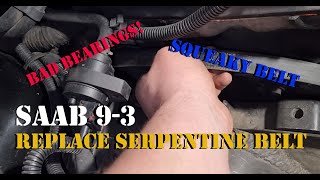
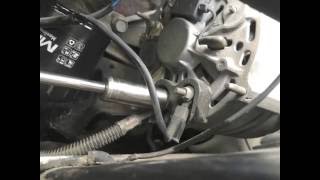
Yes, this is a DIY-friendly job for both models if you have basic mechanical skills and tools. For the c900, you'll need wrenches to loosen the accessories to adjust tension. For the NG900, you'll need a breaker bar or a serpentine belt tool to release the automatic tensioner. 🎬 See this walkthrough for replacing the NG900 serpentine belt. Always disconnect the battery before starting.
What is belt tension and why is it important?
Belt tension is how tight the belt is. If it's too loose, it will slip and squeal, failing to power accessories correctly and causing premature wear. If it's too tight, it puts extreme stress on the bearings inside the alternator and power steering pump, leading to their early failure. On c900s, tension is set manually. On NG900s, the spring-loaded tensioner sets it automatically.
Should I replace the tensioner and pulleys on my NG900?
Yes, it is highly recommended. When replacing the serpentine belt on an NG900, you should always inspect the tensioner and idler pulleys. Spin them by hand; if they feel rough, make noise, or wobble, they are worn out and should be replaced along with the belt to prevent the new belt from failing.
Helpful Videos
Technical Specifications
OEM Part Numbers: 9367020 93185052 4395414 4356119 4237020 4395422
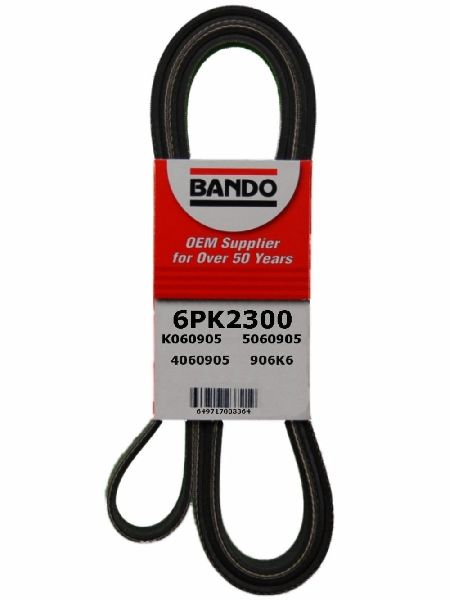
Vehicle specific. Classic 900 models use multiple V-belts of varying lengths (e.g., 10x975, 13x1175). NG900 models use a single 6-rib (6PK) serpentine belt of varying lengths (e.g., 6PK2300, 6PK2625). Always verify the correct part number for your specific year, engine, and accessory combination.
We Have This Part in Stock

The information in this article is provided for general reference and educational purposes only. Vehicle specifications, procedures, and part compatibility can vary by production date, trim level, and region. Always consult your vehicle's factory service manual and verify part numbers before purchasing or performing repairs. Safety-critical components such as airbags, seat belts, and braking systems should be installed by a qualified professional.
- Saab 900: