

Volkswagen Golf Engine Coolant Temperature Sensor Guide (1985-1998)
Is your Mk2 or Mk3 Golf running rough, getting poor gas mileage, or overheating? Your coolant temperature sensor might be the culprit.
- A bad ECT sensor can cause a wide range of issues, from bad gas mileage and a check engine light to stalling and overheating.
- Pay close attention to the color (blue, black, etc.) of your original sensor and order the same color replacement to ensure compatibility with your Golf's ECU.
- This is a very DIY-friendly repair. Always replace the small O-ring with the sensor to prevent coolant leaks.
- Stick with high-quality aftermarket brands like Bosch, Hella, or Vemo for reliability; the small price difference is worth it to avoid problems.
Is Your Golf's Coolant Temp Sensor Failing?

A faulty Engine Coolant Temperature (ECT) sensor can cause a surprising number of problems on a 1985-1998 VW Golf. Because the sensor's reading affects so many engine functions, a bad signal can make the car run poorly in many different ways. Unlike some parts that fail completely, an ECT sensor can fail intermittently or send incorrect readings, making diagnosis tricky.
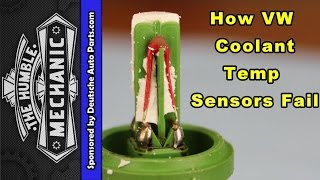
🎬 Watch: See how these sensors fail and cause engine issues.Key Symptoms of a Bad ECT Sensor
- Check Engine Light: This is often the first sign. The ECU detects a signal that is out of range and triggers a fault code, like P0118.
- Poor Fuel Economy: If the sensor is stuck reading “cold,” the ECU will continuously inject extra fuel, hurting your gas mileage.
- Black Smoke from Tailpipe: A very rich fuel mixture, caused by a sensor that's failed in the cold position, can lead to unburned fuel smoking in the exhaust.
- Hard Starting: The engine may be difficult to start, either when cold or when fully warmed up. A bad reading provides the wrong fuel mixture for starting, leading to flooding or fuel starvation.
- Rough Idle or Stalling: With incorrect fuel and timing adjustments, the engine can idle poorly, hesitate during acceleration, or stall completely.
- Inaccurate Temp Gauge: The needle on your dashboard might not move, might read too high, or could swing back and forth unpredictably.
- Engine Overheating: If the sensor fails to report that the engine is hot, it may not trigger the radiator cooling fans when needed, leading to overheating.
A Common Point of Confusion: Sensor Colors
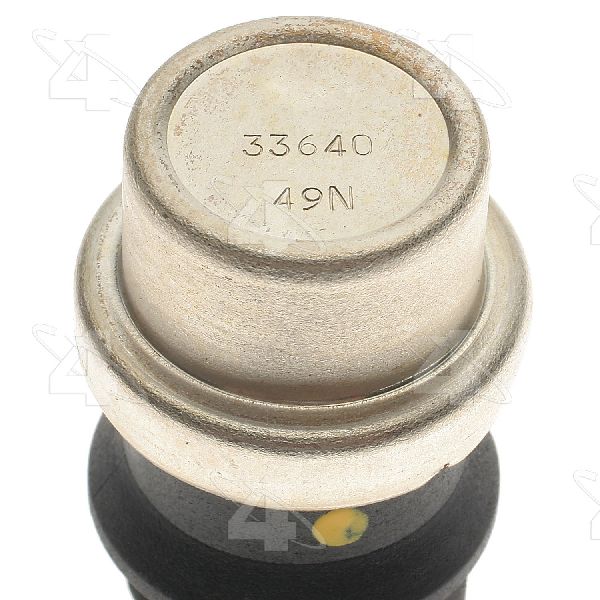
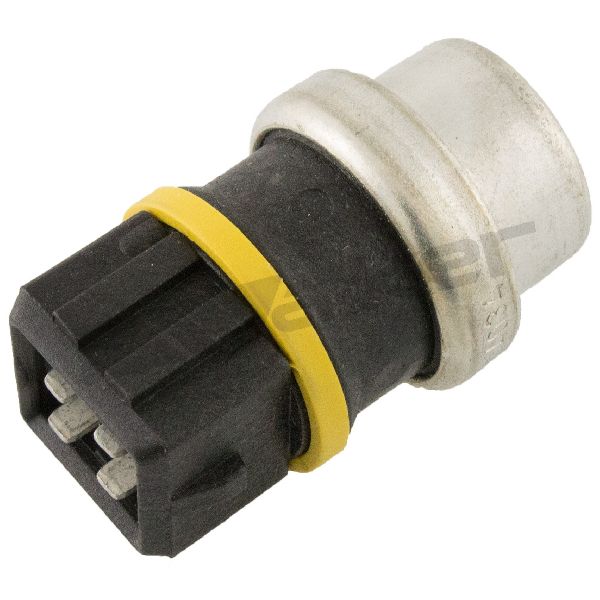
For Mk2 and Mk3 Golfs, the ECT sensor came in several different colors (e.g., blue, black, yellow, green). These colors are important, as they often signify a specific temperature resistance range for a particular engine and ECU combination. Always order a replacement that matches the color of your original sensor unless a specific update is noted by the part manufacturer. Using the wrong color sensor can cause running issues right out of the box.
Choosing the Right Aftermarket Sensor

While a genuine VW sensor is always a safe bet, several quality aftermarket brands offer reliable performance for a lower price. For a critical sensor like this, it's best to avoid the cheapest, no-name options, which are known to have incorrect resistance values that can cause more problems than they solve.
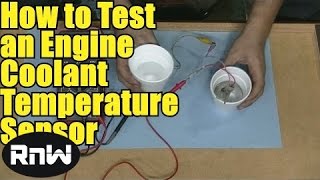
🎬 Learn how to test your sensor using a basic multimeter.Brand Quality Tiers for Your Golf
- Tier 1: OEM & Premium Aftermarket (Bosch, Hella, Vemo): Bosch is a well-known Original Equipment (OE) supplier for Volkswagen and offers the highest quality and reliability. Hella is another top-tier German brand. Vemo is also considered a quality OEM-level brand. For peace of mind, choosing one of these is highly recommended by VW enthusiasts.
- Tier 2: Reputable Aftermarket (Beck Arnley, Delphi, Standard Ignition): These are established brands that produce reliable parts which meet or exceed original specifications. They offer a good balance of quality and value.
- Tier 3: Economy Brands (Facet, Four Seasons, Walker Products): These brands provide a functional part at a lower cost. While they can work, they may not have the same long-term durability or precise calibration as premium brands.
Pro Tip: Replace the O-Ring and Clip
The ECT sensor is sealed with a small rubber O-ring and held in place by a plastic or metal clip. The O-ring becomes hard and brittle over time and should always be replaced with the sensor to prevent coolant leaks. It's also wise to get a new retaining clip, as the old plastic ones can easily break during removal.
Frequently Asked Questions

Where is the coolant temperature sensor located on a 1985-1998 Golf?
The ECT sensor is typically located in the plastic coolant flange on the side of the engine's cylinder head. You will see one or more sensors with electrical connectors plugged into this housing.
My Golf has two temperature sensors. Which one is this?
Many of these Golfs have a 4-pin sensor that performs two functions in one unit: two pins send a signal to the ECU for engine management, and the other two send a signal to the dashboard temperature gauge. Some models may have separate sensors. This guide refers to the sensor that provides the temperature reading to the ECU.
Can I replace the ECT sensor myself?
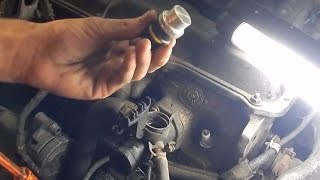
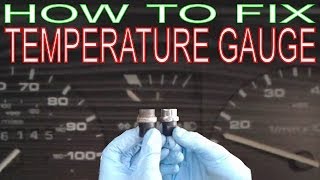
Yes, this is a DIY-friendly job for most home mechanics. The process involves partially draining the coolant, disconnecting the electrical plug, removing a single clip, and swapping the sensor. 🎬 See this walkthrough on replacing the sensor and fixing your gauge. The most important part is to work on a cold engine to avoid burns from hot coolant.
Do I need to check anything else?
Yes. On these older Volkswagens, a bad engine ground strap can cause symptoms that are identical to a failed ECT sensor. Before replacing the sensor, it's a good idea to inspect and clean the main ground connections, especially the one between the transmission and the chassis.
Are there any recalls for this part?
No, there are no specific recalls from the NHTSA for the Engine Coolant Temperature Sensor on the 1985-1998 Volkswagen Golf. Searches found recalls for coolant system components on much newer VW models, but they do not apply to this part or vehicle generation.
Helpful Videos

Technical Specifications
OEM Part Numbers: 025906041A 059919501A 06A919501A 251919501A 251919501D
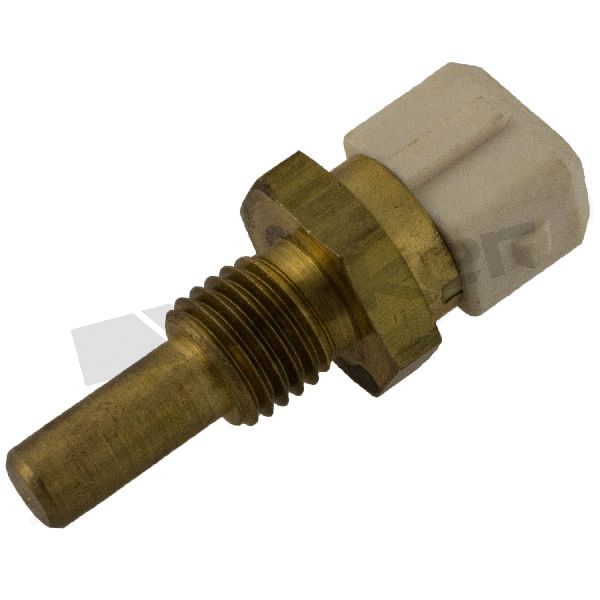
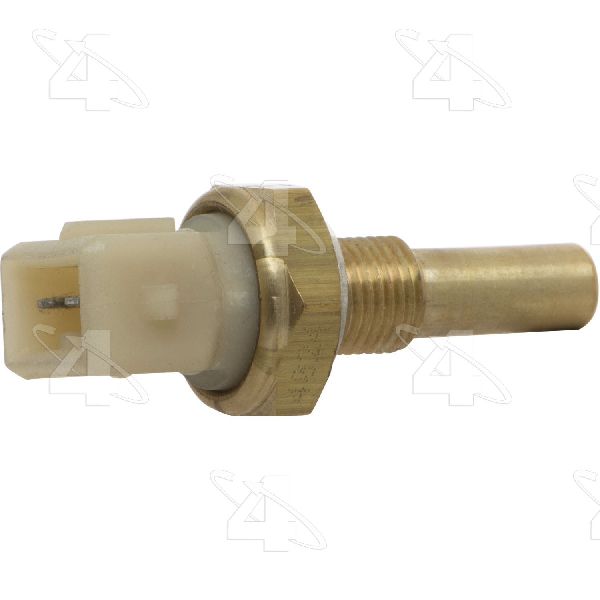
The sensor is a Negative Temperature Coefficient (NTC) thermistor. Its resistance decreases as the coolant temperature increases. It is typically located in a plastic coolant flange on the cylinder head and secured with a clip. Models for this year range can have 2-pin or 4-pin connectors.
We Have This Part in Stock


The information in this article is provided for general reference and educational purposes only. Vehicle specifications, procedures, and part compatibility can vary by production date, trim level, and region. Always consult your vehicle's factory service manual and verify part numbers before purchasing or performing repairs. Safety-critical components such as airbags, seat belts, and braking systems should be installed by a qualified professional.
- Volkswagen Golf:
- 🎬 Helpful Videos
- 🛍️ Shop This Part
- Is Your Golf's Coolant Temp Sensor Failing?
- Key Symptoms of a Bad ECT Sensor
- A Common Point of Confusion: Sensor Colors
- Choosing the Right Aftermarket Sensor
- Brand Quality Tiers for Your Golf
- Pro Tip: Replace the O-Ring and Clip
- Frequently Asked Questions
- 🎟️ Get 5% Off