

Ford E-350 Econoline Club Wagon (1985-2002) Voltage Regulator Guide
Having charging problems with your Ford E-350 Club Wagon? It might be your voltage regulator.
- First, confirm if your van has an external regulator (on the fender) or an internal one (part of the alternator) before buying.
- Symptoms like dimming lights, a dead battery, and warning lights can point to the regulator, not just the battery or alternator.
- Driving with a bad regulator is risky; it can leave you stranded or cause expensive damage to other electronics.
- Standard Ignition is a reputable aftermarket brand, while 'Replacement' brands offer a budget-friendly alternative.
Is Your E-350's Voltage Regulator Internal or External?
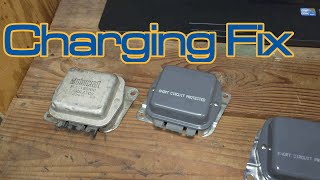
Before buying any parts, the most important thing to know is that Ford used two different types of charging systems in the E-350 vans between 1985 and 2002. Some models have an external voltage regulator, which is a separate part usually mounted on the fender or firewall. Other models, especially in later years, have an internal voltage regulator, which is built into the back of the alternator. If your regulator is internal, you must replace the entire alternator assembly. This guide is for the standalone, external voltage regulator. Check your van's specific setup before ordering.
Symptoms of a Failing Voltage Regulator
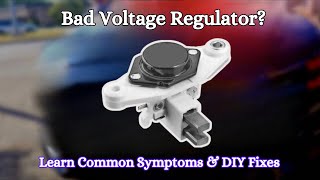
A bad voltage regulator can cause problems that seem like a bad battery or alternator. Here are the most common signs:
- Dimming or Flickering Lights: Headlights and dashboard lights may flicker, pulse, or get very bright when you rev the engine.
- Weak or Dead Battery: The regulator may not allow the alternator to charge the battery enough, causing it to die repeatedly.
- Charging System Warning Light: The 'BATTERY' or 'ALT' light on your dashboard may turn on.
- Engine Performance Issues: Unstable voltage can confuse the engine's computer, leading to stalling, rough idling, or poor performance.
- Overcharging: If the regulator fails and sends too much voltage, it can cause the battery to overheat, swell, or leak. You might smell a 'rotten egg' sulfur odor. 🎬 Watch: Top 6 symptoms of a bad voltage regulator
Common Ordering Mistake
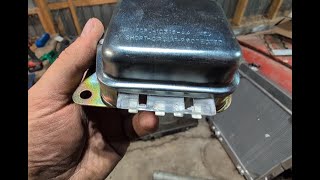
Many owners order a new voltage regulator only to find out their van has one built into the alternator. Look for a small, box-shaped part with a wiring connector, usually on the fender wall near the battery. If you don't see one, your regulator is likely internal to the alternator, and you will need to purchase a complete alternator assembly.
Choosing the Right Aftermarket Regulator
When replacing an external voltage regulator, you have a few options. Since new OEM parts are often discontinued for vehicles of this age, the aftermarket is your go-to source.
- Standard Ignition (SMP): Standard Motor Products is a well-known and generally trusted aftermarket manufacturer. They produce a wide range of electronic components and are often considered a reliable choice for daily drivers. Their parts are designed to meet original specifications.
- Replacement (Store Brands): These are typically value-focused brands. They offer a cost-effective solution to get your van back on the road. While they may not have the long-standing reputation of a brand like Standard, they provide a functional part that meets basic requirements.
Pro Tip: When you replace your voltage regulator, it's a good idea to also inspect and clean the wiring connector. A corroded or damaged plug can cause the new part to fail or not work correctly. Replacement connectors are available and inexpensive.
🎬 See why you should consider upgrading your external regulatorEstimated Costs for Voltage Regulator Replacement
| Part Type | Estimated Cost |
|---|---|
| New Aftermarket (Replacement, Standard) | $39.14 - $172.68 |
| Shop Labor (External Regulator) | $80 - $150 |
| Shop Labor & Parts (Internal Regulator / Full Alternator Replacement) | $294 - $391+ |
Frequently Asked Questions (FAQ)
How do I know if my E-350 has an external or internal regulator?
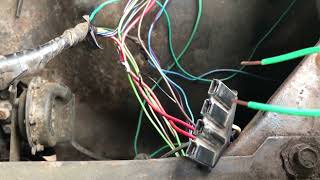
Look under the hood, typically on the fender wall or radiator support near the battery. An external regulator is a small metal or plastic box with a wire harness plugged into it. If you can't find one, and the wiring goes directly from the main harness to the alternator, your regulator is internal. Forum discussions confirm that Ford used both types during this period, sometimes causing confusion.
Can I test my old voltage regulator?
Yes, a common test for older Ford systems involves using a jumper wire on the regulator's connector to bypass it. With the engine running, you briefly jump the 'A' and 'F' terminals. If the voltage at the battery jumps to 14+ volts, the alternator is good, and the regulator is likely bad. If the voltage doesn't change, the alternator is likely the problem. This test should only be done for a few seconds to avoid damaging electronics.
🎬 Watch: How to test an external regulator vs alternatorWhat happens if I don't replace a bad voltage regulator?
Ignoring a bad regulator can lead to more expensive problems. An undercharging system will leave you stranded with a dead battery. An overcharging system can permanently damage the battery, alternator, and other sensitive electronics like the radio and engine computer, leading to much costlier repairs.
Are there any recalls for this issue?
Searches of NHTSA data and news reports did not find any specific recalls for the voltage regulator or charging system on 1985-2002 Ford E-350 Econoline Club Wagon models. Recalls found were for newer model years or different components.
Helpful Videos
Technical Specifications
OEM Part Numbers: F1DZ10C359A E43Z-10316-A C5AZ-10316-C
Varies by year and model. Most are A-Circuit type with a voltage set point around 14.5V. Connector types and mounting styles differ.
We Have This Part in Stock


The information in this article is provided for general reference and educational purposes only. Vehicle specifications, procedures, and part compatibility can vary by production date, trim level, and region. Always consult your vehicle's factory service manual and verify part numbers before purchasing or performing repairs. Safety-critical components such as airbags, seat belts, and braking systems should be installed by a qualified professional.
- Ford E-350 Econoline Club Wagon: