

1986 Ford EXP Air Charge Temperature Sensor Replacement Guide
Is your 1986 Ford EXP running rough or getting poor gas mileage? A bad Air Charge Temperature sensor could be the culprit.
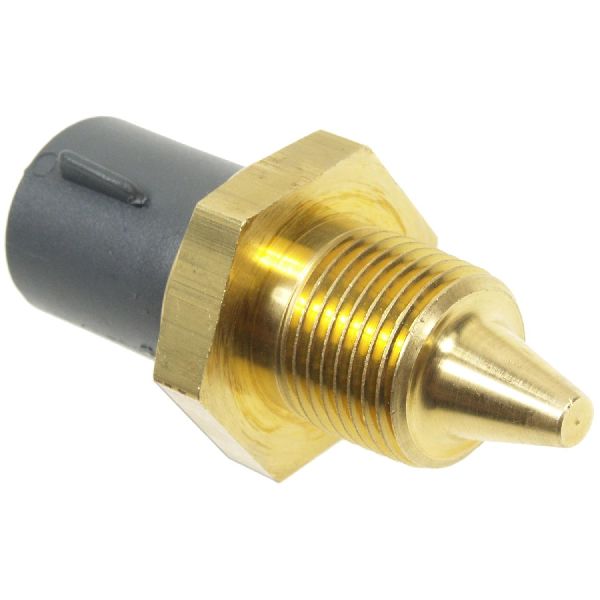
- The correct part for your vehicle is an Air Charge Temperature (ACT) Sensor, not an Ambient sensor.
- A faulty ACT sensor will typically trigger OBD-I code 24 or 54.
- This is an easy and inexpensive DIY repair that can solve issues like poor gas mileage and rough idling.
- Choose a reputable aftermarket brand like Standard Ignition for better reliability and longevity.
Understanding the Air Charge Temperature (ACT) Sensor in Your '86 EXP
If you're experiencing issues like a check engine light, poor fuel economy, or a rough idle, a failing Air Charge Temperature (ACT) sensor might be to blame. This sensor, also sometimes called an Intake Air Temperature sensor, is a key part of your Ford's EEC-IV fuel injection system. It tells the engine computer how hot or cold the air is that's entering the engine. Colder air is denser and needs more fuel for proper combustion, while warmer air needs less. A bad sensor can feed the wrong information to the computer, causing a variety of driveability problems.
Symptoms of a Failing ACT Sensor
A bad ACT sensor can make your EXP run poorly. Here are the most common signs:
- Check Engine Light: Your EXP's EEC-IV computer can detect a problem with the ACT sensor's signal, which will trigger the check engine light. You may see OBD-I codes 24 or 54 when you run a diagnostic test.
- Poor Fuel Economy: If the sensor tells the computer the air is colder than it really is, the computer will inject too much fuel, causing the engine to run rich and waste gas.
- Engine Hesitation or Stumbling: Incorrect fuel mixture can cause the engine to hesitate or stumble during acceleration.
- Rough Idle: An unstable air-fuel ratio from a bad sensor reading can make the engine idle roughly.
- Failed Emissions Test: An engine running too rich or too lean due to a faulty ACT sensor will likely fail an emissions test.
Is it an Ambient or Air Charge Sensor?
For this vehicle, the correct term is Air Charge Temperature (ACT) Sensor, as it measures the air entering the engine for combustion calculations. An Ambient Air Temperature sensor typically measures the outside air for the climate control system and external temperature display, which is a different function.
Choosing the Right Aftermarket ACT Sensor
Since finding a new OEM sensor from Ford for a 1986 vehicle is nearly impossible, the aftermarket is your only realistic option. Quality can vary, so it's helpful to understand the brands available.
Brand Tiers for Your Ford EXP
- Tier 1: Reputable Aftermarket Leaders (Standard Ignition): Standard Motor Products (SMP) is a long-established brand known for producing reliable aftermarket parts that often meet or exceed original specifications. They are generally considered a top-tier choice for sensors and other electronic components. For many professional mechanics, Standard is a go-to for parts that fit and perform correctly.
- Tier 2: Quality Aftermarket Alternatives (Holstein): Holstein is another known sensor manufacturer that markets its parts as being produced in high-standard, certified facilities. They offer a solid balance of quality and price, making them a good alternative to more established brands.
- Tier 3: Budget & Store Brands (True Tech): Brands like True Tech are often private-label products sold by large retailers. While they are the most affordable, their quality and longevity can be inconsistent. For a critical engine management sensor, it's often worth spending a few extra dollars for a part from a more reputable manufacturer.
Pro Tip: Check the Connector
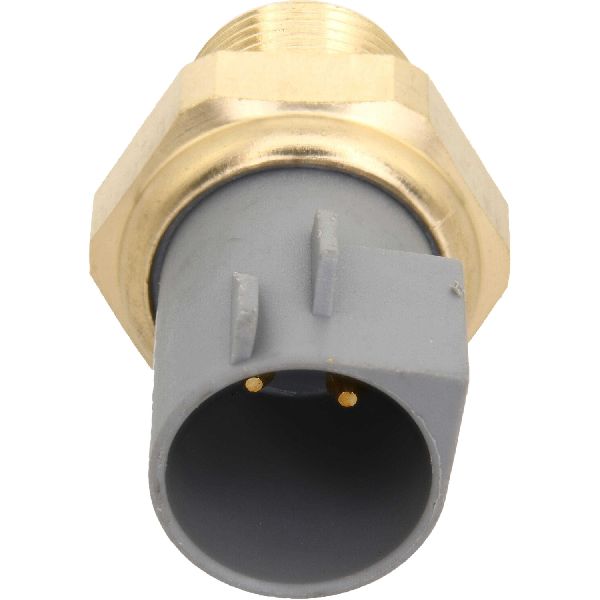
After decades of heat cycles, the plastic connector for the ACT sensor can become brittle and break when you try to unplug it. Inspect the connector carefully before you start. If it looks cracked or damaged, it's a good idea to order a replacement connector pigtail at the same time as the sensor.
Cost of Replacing a 1986 Ford EXP ACT Sensor
This is an affordable and straightforward repair. The main cost is the part itself, as labor is minimal.
| Part Type | Estimated Cost |
|---|---|
| New Aftermarket Sensor | $12 - $36 |
| Shop Labor | $45 - $90 |
| Total Estimated Cost | $57 - $126 |
Frequently Asked Questions
Where is the ACT sensor located on my 1986 Ford EXP?
On Ford engines from this era, the ACT sensor is typically threaded into the lower intake manifold, near one of the intake runners. However, some OEM parts diagrams suggest it could be located on the air cleaner housing. Check the intake manifold first, as this is the most common location.
Can I replace this sensor myself?
Yes, this is a very DIY-friendly job. It usually involves unplugging the electrical connector, unscrewing the old sensor with a wrench, and then screwing in the new one. It should take less than 30 minutes for someone with basic tools.
What are the OBD-I codes for a bad ACT sensor?
For the EEC-IV system in your EXP, the primary code is Code 24 (Intake Air Temperature/Air Charge Temperature Sensor Out Of Self Test Range). You might also see Code 54 (Intake Air charge temperature sensor circuit open).
Will a new ACT sensor fix my car's hesitation?
If the sensor is sending bad data and causing the wrong fuel mixture, then yes, a new sensor can resolve hesitation and rough running issues. However, hesitation can also be caused by other problems like a dirty fuel filter, old spark plugs, or vacuum leaks, so it's important to properly diagnose the issue.
Technical Specifications
OEM Part Numbers: D4FZ-9E607-A
Thread Size: 3/8 inch NPT, Connector: 2-Pin
We Have This Part in Stock


The information in this article is provided for general reference and educational purposes only. Vehicle specifications, procedures, and part compatibility can vary by production date, trim level, and region. Always consult your vehicle's factory service manual and verify part numbers before purchasing or performing repairs. Safety-critical components such as airbags, seat belts, and braking systems should be installed by a qualified professional.
- Ford EXP:
- 🛍️ Shop This Part
- Understanding the Air Charge Temperature (ACT) Sensor in Your '86 EXP
- Symptoms of a Failing ACT Sensor
- Is it an Ambient or Air Charge Sensor?
- Choosing the Right Aftermarket ACT Sensor
- Brand Tiers for Your Ford EXP
- Pro Tip: Check the Connector
- Cost of Replacing a 1986 Ford EXP ACT Sensor
- Frequently Asked Questions
- 🎟️ Get 5% Off