

Engine Coolant Temperature Sensor Guide for the 1986-1987 Mazda B2000
Understanding the different coolant sensors in your truck and how to choose the right replacement.
- Identify if you need the single-wire gauge sender or the two-wire ECU sensor before buying.
- Symptoms like bad MPG and black smoke point to the ECU sensor, while a dead gauge points to the sender.
- For reliability, consider trusted brands like NGK/NTK.
- Do not use thread sealant on the single-wire gauge sender, as it requires a metal-to-metal ground connection.
Is Your Mazda B2000 Running Rough or Getting Bad Gas Mileage?
If your 1986-1987 Mazda B2000 is experiencing issues like poor fuel economy, a rough idle, or an inaccurate temperature gauge, a faulty engine coolant temperature (ECT) sensor could be the culprit. This small sensor plays a big role in how your engine performs by telling the computer how hot it is. A bad sensor can send the wrong signals, leading to a variety of noticeable problems.
Two Different Sensors: A Critical Detail
Your 1986-1987 B2000 has two separate coolant temperature units. It is crucial to identify which one has failed.
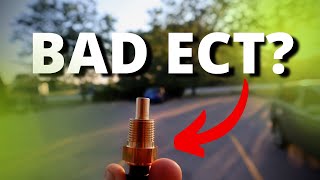
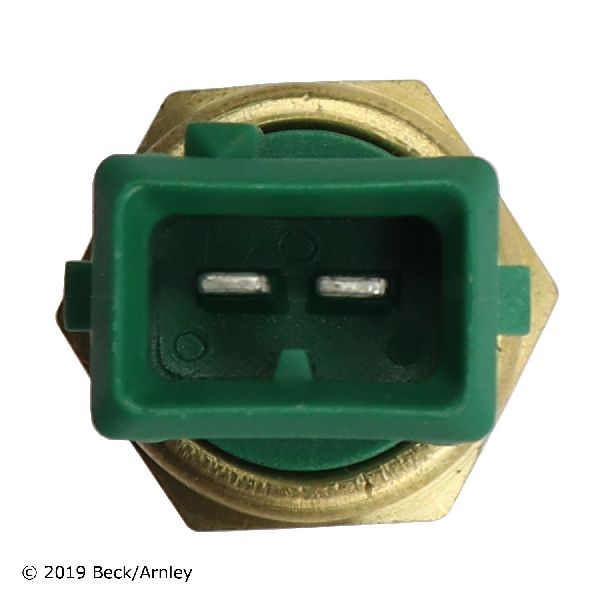
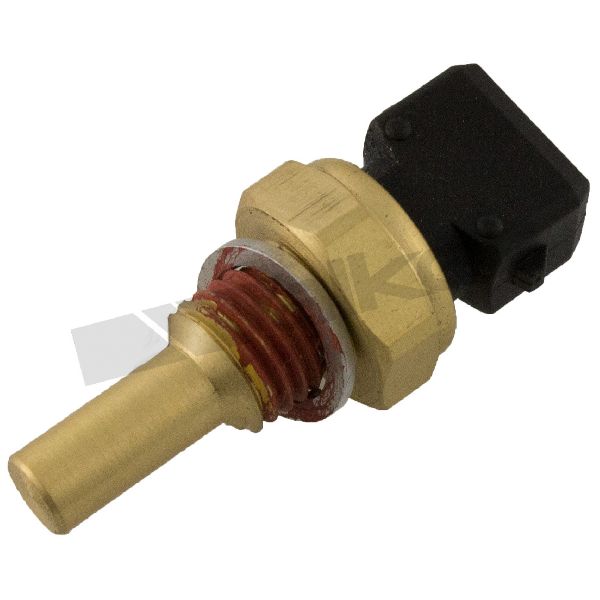
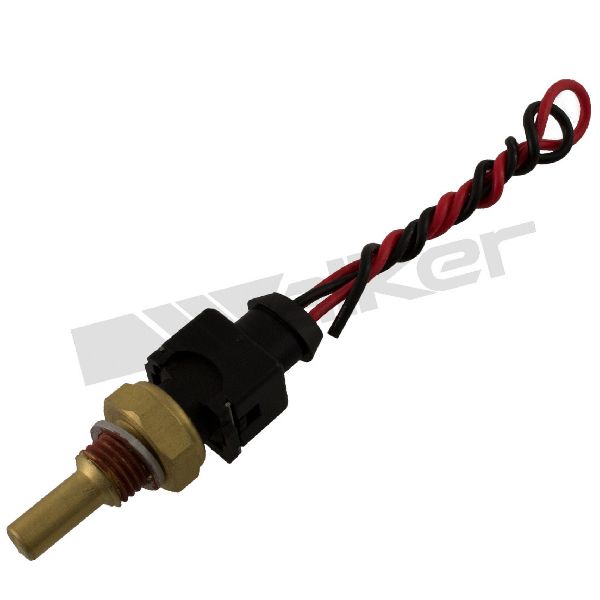
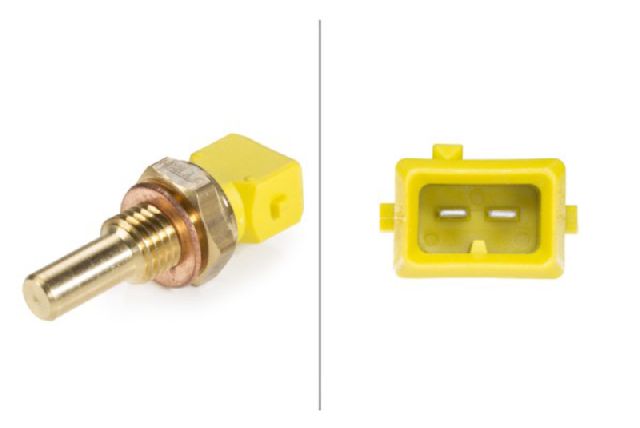
- ECT Sensor (for the ECU): This has a two-wire connector and provides data to the engine computer to control fuel mixture and timing. A failure here affects engine performance.
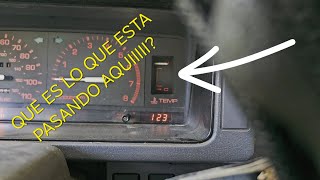
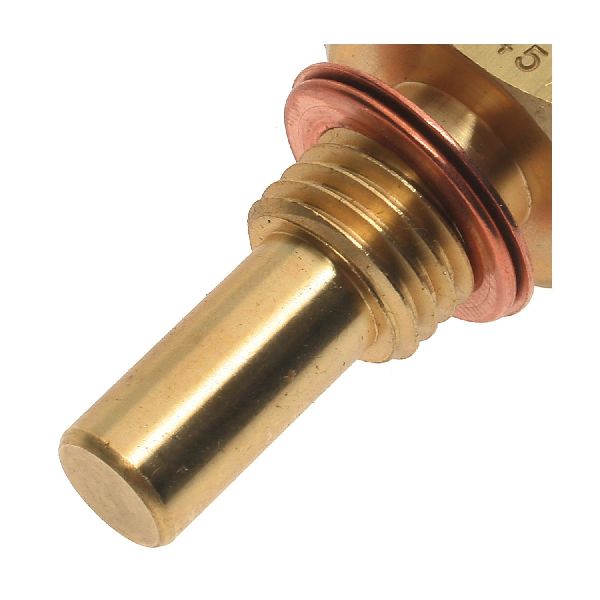
- Temperature Sender (for the Gauge): This has a single-wire connector (often with a yellow/white wire) and only operates the temperature gauge on your instrument cluster. A failure here will cause the gauge to read incorrectly but won't affect how the engine runs.
Before ordering, inspect your old part to ensure you are replacing the correct one.
Symptoms of a Failing Coolant Temperature Sensor
When the main ECT sensor (for the computer) fails, it often sends a false "cold" signal. This can cause:
- Poor Fuel Economy: The computer dumps extra fuel, thinking the engine is still warming up.
- Black Smoke from Exhaust: A sign of an overly rich fuel mixture, where unburnt fuel burns in the exhaust pipe.
- Rough Idle: The incorrect air-fuel ratio can make the engine shake or vibrate at idle.
- Check Engine Light: The computer will often detect a faulty signal from the sensor and trigger a warning light. 🎬 See a breakdown of common bad coolant sensor symptoms
- Engine Overheating: On some systems, the sensor helps control the electric cooling fans. A bad sensor might prevent them from turning on. 🎬 Watch: Troubleshooting a Mazda B2000 with overheating issues
If the single-wire gauge sender fails, you will primarily see:
- An erratic temperature gauge that jumps around, stays on cold, or shoots to hot.
Choosing the Right Aftermarket Sensor
For a vehicle like the B2000, original Mazda (OEM) sensors may be difficult to find or discontinued. Aftermarket options are readily available, but quality can vary. Some aftermarket sensors may not have the exact same temperature-to-resistance values as the original, which can lead to slightly inaccurate readings.
Brand Quality Tiers (General Reputation):
- Top Tier (Often OEM-Equivalent): NGK (also known as NTK) is a well-regarded brand for sensors and ignition components, often matching OEM quality.
- Mid Tier (Generally Reliable): Brands like Standard Ignition (SMP) and Hella can be good, but their quality can sometimes be inconsistent, mixing high-quality parts with lower-end ones. Beck Arnley was once known for re-boxing Japanese OEM parts, but in recent years, some users report a decline in this practice.
- Economy Tier: Brands like URO Parts, True Tech, and other value-focused options can be a budget-friendly fix, but may have a shorter lifespan or less precise readings compared to higher-tier brands.
| Part Type | Price Range |
|---|---|
| New Aftermarket ECT Sensor/Sender | $10.02 - $39.75 |
| Estimated Shop Labor | $50 - $100 |
Installation Pro-Tip
The sensor is typically located near the thermostat housing at the front of the engine. When replacing the single-wire gauge sender, do not use Teflon tape or thread sealant on the threads. The sensor needs to ground itself to the engine block through those threads to work correctly, and sealant can insulate it, causing a faulty reading.
Frequently Asked Questions
Where is the coolant temperature sensor on my 1986-1987 Mazda B2000?
You will find the sensor(s) screwed into the engine block or thermostat housing, which is where the large upper radiator hose connects to the engine. Look for a one-wire connector for the gauge sender and a two-wire connector for the ECU sensor.
Can I drive with a bad coolant temperature sensor?
If only the gauge sender has failed, it is generally safe to drive, but you won't be able to monitor engine temperature. If the main ECU sensor has failed, it is best to get it replaced soon. Driving with a rich fuel mixture wastes gas, can foul spark plugs, and may lead to long-term damage to the catalytic converter.
Are there any recalls for this part?
No, there are no active recalls or Technical Service Bulletins (TSBs) from Mazda or the NHTSA specifically for the engine coolant temperature sensor on the 1986-1987 Mazda B2000.
Why is my new temperature gauge sender not working?
The most common installation error is using thread sealant or Teflon tape on the threads of a single-wire sender. This prevents the part from grounding to the engine, resulting in no reading on the gauge. The threads must have a clean, metal-to-metal contact.
Helpful Videos
Technical Specifications
The 1986-1987 B2000 uses two distinct parts: a single-terminal (bullet style) sender for the gauge and a two-terminal sensor for the ECU. The thread size is commonly M12-1.50.
We Have This Part in Stock


The information in this article is provided for general reference and educational purposes only. Vehicle specifications, procedures, and part compatibility can vary by production date, trim level, and region. Always consult your vehicle's factory service manual and verify part numbers before purchasing or performing repairs. Safety-critical components such as airbags, seat belts, and braking systems should be installed by a qualified professional.
- Mazda B2000: