

Choosing the Right Disc Brake Pad Set for Your 1986-1988 BMW 325
Stop guessing and find the perfect brake pads for your E30, from daily driving to performance use.
- For factory feel, choose OEM-equivalent brands like ATE, Pagid, or Bosch.
- For a noticeable street performance upgrade with manageable dust, Hawk HPS pads are a popular choice.
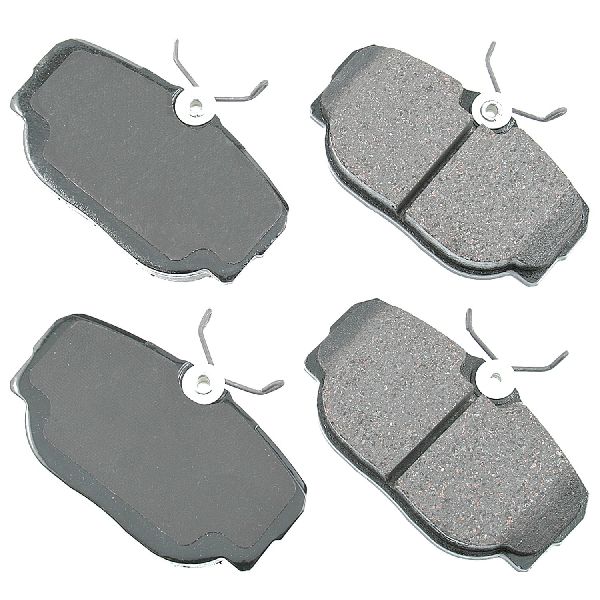
- If you hate brake dust and want clean wheels, Akebono ceramic pads are the best option for daily driving.
- Always replace the brake wear sensor with the pads and inspect your brake fluid and hoses.
Signs of Failing Brake Pads on Your BMW 325
Worn brake pads can't create the friction needed to stop your car safely. Ignoring the signs can lead to longer stopping distances and damage to other brake parts like rotors and calipers. Many E30 owners report a "spongy" or soft brake pedal, which can sometimes be a sign of worn pads, but it's also commonly caused by old brake fluid or aging rubber brake lines.
Key Symptoms to Watch For:
- Brake Warning Light: Your BMW 325 is equipped with a "BRAKE LINING" warning light on the dashboard. This light turns on when the brake pad wear sensor, located on the front left wheel, is tripped by a thin pad.
- Squealing or Grinding Noises: A high-pitched squeal when you apply the brakes is a common indicator that the pads are low. If you hear a metallic grinding sound, it means the pads are completely worn away, and the metal backing plate is grinding against the rotor, causing serious damage.
- Longer Stopping Distance: If you notice your car takes longer to stop than it used to, your pads may be too worn to be effective.
- Spongy or Soft Pedal: While this can also be caused by air in the brake lines or old fluid, it can indicate that the pads are worn down and require more pedal travel to engage.
No Recalls, But Maintenance is Key
Searches of the NHTSA database and other sources found no specific recalls or technical service bulletins (TSBs) for disc brake pads on the 1986-1988 BMW 325. However, the braking performance of these classic cars relies heavily on the entire system being in good shape. Always check your brake fluid and rubber hoses when replacing pads.
Choosing the Right Aftermarket Brake Pads
The original brakes on the E30 325 can feel less powerful than those on modern cars. This is partly due to less power assistance from the brake booster. Choosing the right aftermarket pad can restore or even significantly upgrade your car's stopping power. Here’s a breakdown of your options.
Tier 1: OEM-Equivalent Brands
These brands are known to be Original Equipment Manufacturers (OEM) for BMW during this era. They provide the same performance, feel, and quality as the pads your car came with from the factory. They are the perfect choice for a daily driver where you want predictable, quiet performance.
- ATE: Often cited as a direct OEM supplier, ATE pads are a benchmark for factory performance and quality.
- Pagid: Another well-respected German brand that supplied parts to BMW. They offer excellent, consistent performance for street use.
- TRW Parts: A major OEM supplier for many European cars, including BMW. A safe and reliable choice.
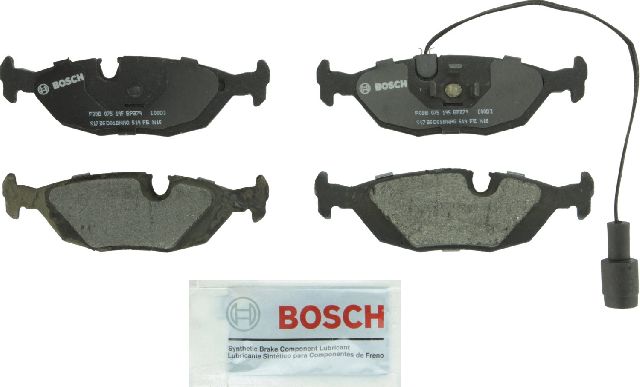
- Bosch: Known for quality, Bosch pads like the QuietCast line are designed to meet or exceed OEM standards for quiet operation and solid performance.
Tier 2: Street Performance Upgrades
If you're an enthusiastic driver looking for better stopping power without the harshness of a full race pad, this category is for you. These pads offer a noticeable improvement in bite and fade resistance for spirited driving.
- Hawk Performance (HPS): Highly popular in the E30 community, Hawk HPS (High Performance Street) pads can increase stopping power by 20-40% over stock with less dust and noise.
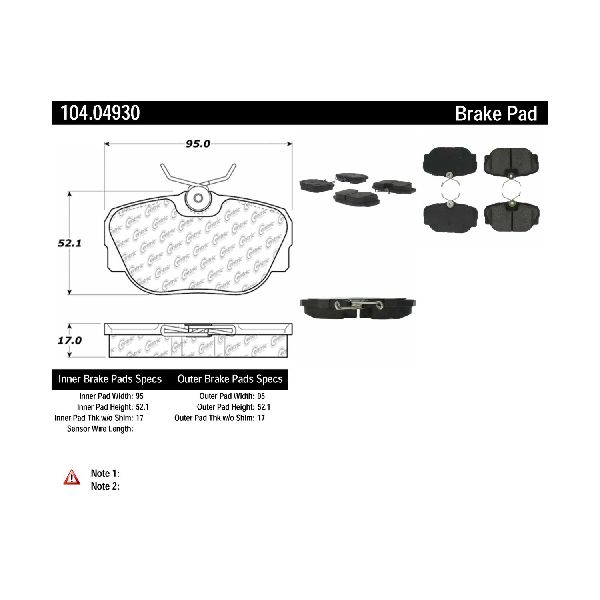
- StopTech: As the performance division of Centric, StopTech street pads are engineered for drivers who want better performance than stock without sacrificing daily drivability.
- EBC Brakes (Greenstuff/Redstuff): EBC Greenstuff pads offer a modest performance upgrade with low dust. Redstuff pads provide better performance but may require some heat to work their best and are not intended for track use.
Tier 3: Low-Dust & Comfort
If your top priority is keeping your wheels clean, ceramic pads are the answer. They produce significantly less dust than OEM semi-metallic pads.
- Akebono: The leader in this category. Akebono ceramic pads are famous for being virtually dust-free and completely silent. Some drivers note a softer pedal feel compared to semi-metallic pads, but they are an excellent choice for a clean and quiet daily driver.
- Wagner Brakes / Raybestos: These brands often offer ceramic formulations focused on quiet operation and low dust for daily driving.
Tier 4: Aggressive Street & Track Use
For drivers who participate in autocross or track days. These pads offer incredible stopping power at high temperatures but come with trade-offs like noise, dust, and faster rotor wear. They are generally not recommended for a car that only sees street use.
- Hawk Performance (HP+): A step up from HPS, these are great for autocross but are known to be very noisy for street driving.
- EBC Brakes (Yellowstuff): A popular entry-level track and aggressive street pad. They offer great stopping power when hot but create more dust than street pads.
- Brembo / Pagid (Race Compounds): Both brands offer dedicated racing pads that provide professional-level performance but are not suitable for daily driving due to noise and the need for high heat to operate effectively.
Don't Forget the Sensor and Hardware
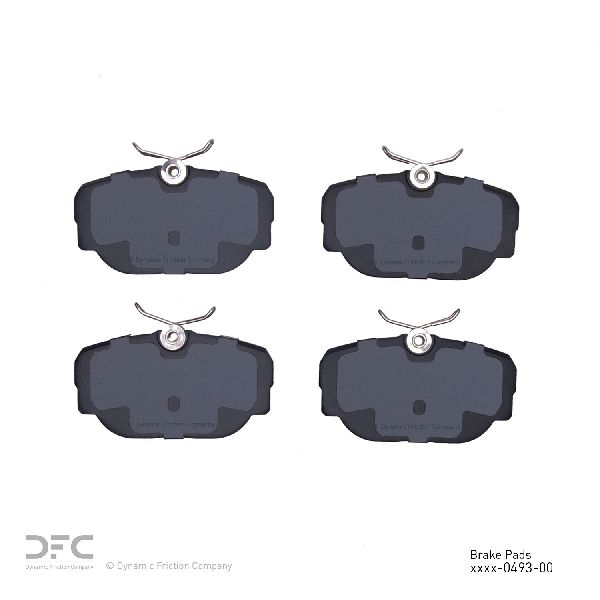
When ordering your pads, remember to get a new brake pad wear sensor. The old one is destroyed when it makes contact with the rotor. Also, it's a good time to clean and lubricate your caliper guide pins to ensure the caliper can move freely.
Cost of Aftermarket Disc Brake Pad Sets
| Category | Price Range | Best For |
|---|---|---|
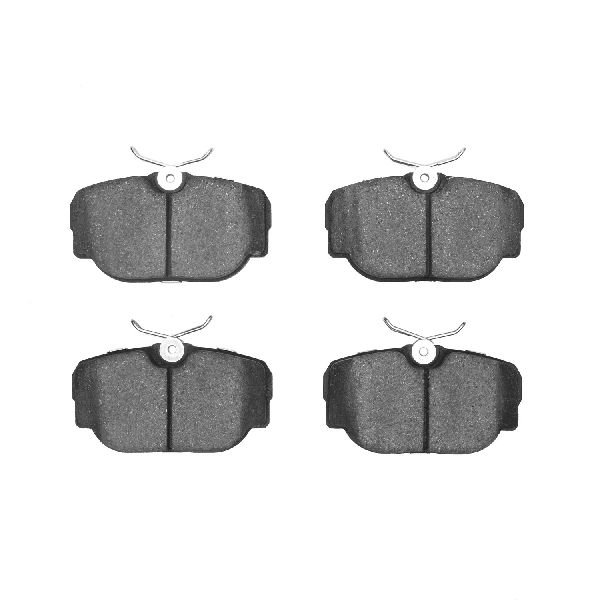
| Budget Aftermarket (Centric, Dynamic Friction) | $26 - $50 | Basic transportation, budget-conscious repairs |
| OEM-Equivalent (ATE, Pagid, Bosch) | $45 - $80 | Daily driving, restoring factory performance |
| Street Performance (Hawk HPS, StopTech) | $70 - $150 | Spirited driving, improved stopping power |
| Aggressive/Track (EBC Yellowstuff, Hawk HP+) | $120 - $300+ | Autocross, track days, maximum performance |
Frequently Asked Questions
Do I need to replace my rotors with my pads?
It is highly recommended. If your rotors have a noticeable lip on the edge, show signs of heavy scoring, or cause a vibration when braking (warping), they must be replaced. Installing new pads on worn rotors will reduce performance and wear out the new pads much faster.
What is "bedding-in" and do I need to do it?
Bedding-in is the process of transferring an even layer of friction material from the new pads onto the rotors. This ensures smooth, powerful, and quiet braking. Most performance pads require a specific bedding-in procedure, which usually involves a series of hard stops from various speeds. Follow the manufacturer's instructions included with your new pads.
What's the difference between ceramic and semi-metallic pads?
Semi-metallic pads, like the original ones on your BMW, offer strong performance and a firm pedal feel but create a lot of dark dust. Ceramic pads are made from a denser material that is much cleaner and quieter but can sometimes feel less aggressive on initial bite.
Can I install just front or rear pads?
You should always replace brake pads in pairs on the same axle (both front wheels or both rear wheels). It is generally acceptable to have different pad compounds on the front and rear, but for predictable performance, it's best to use the same type of pad on all four corners.
Why do my new brakes squeal?
New brakes can squeal for a few reasons. High-performance or track-oriented pads are naturally noisier. For street pads, squealing is often caused by vibrations. Ensure the contact points on the caliper bracket were cleaned and a small amount of anti-squeal paste was applied to the back of the brake pads. Improper bedding-in can also cause noise.
Technical Specifications
OEM Part Numbers: 34111162481 34111160522 34111158316
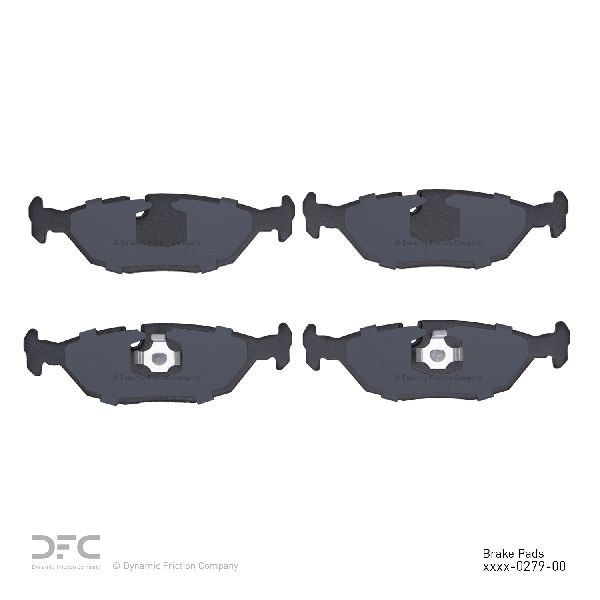
Fits vehicles with standard, non-M3 calipers. Requires one brake wear sensor for the front axle. Rear pads are a different part number and shape from the front.
We Have This Part in Stock

The information in this article is provided for general reference and educational purposes only. Vehicle specifications, procedures, and part compatibility can vary by production date, trim level, and region. Always consult your vehicle's factory service manual and verify part numbers before purchasing or performing repairs. Safety-critical components such as airbags, seat belts, and braking systems should be installed by a qualified professional.
- BMW 325:
- 🛍️ Shop This Part
- Signs of Failing Brake Pads on Your BMW 325
- Key Symptoms to Watch For:
- No Recalls, But Maintenance is Key
- Choosing the Right Aftermarket Brake Pads
- Tier 1: OEM-Equivalent Brands
- Tier 2: Street Performance Upgrades
- Tier 3: Low-Dust & Comfort
- Tier 4: Aggressive Street & Track Use
- Don't Forget the Sensor and Hardware
- Cost of Aftermarket Disc Brake Pad Sets
- Frequently Asked Questions
- 🎟️ Get 5% Off