

A Guide to the Starter on Your 1986-1990 Buick Electra
Troubleshoot and replace the starter on your classic Buick Electra to ensure it starts reliably every time.
- A single, loud click without the engine cranking is the most definitive sign of a bad starter on your Electra.
- Always test the battery first; rapid clicking almost always means a weak battery, not a bad starter.
- Replacement is usually straightforward, but be prepared for the possibility of having to remove an exhaust pipe for access, which can complicate the job.
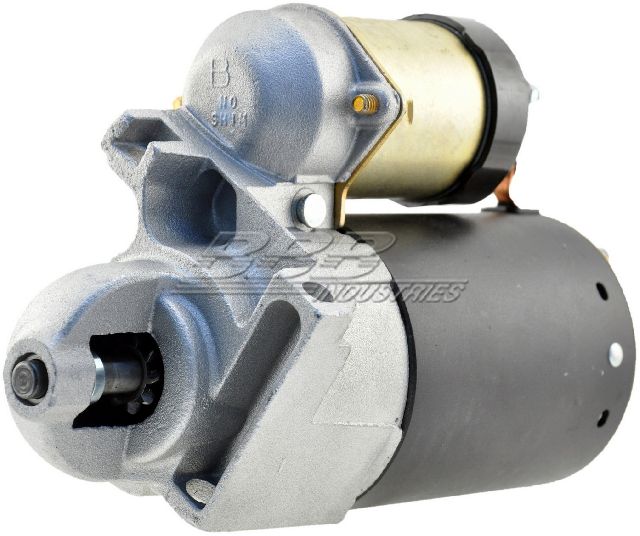
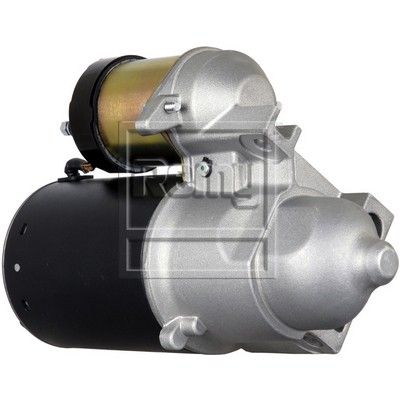
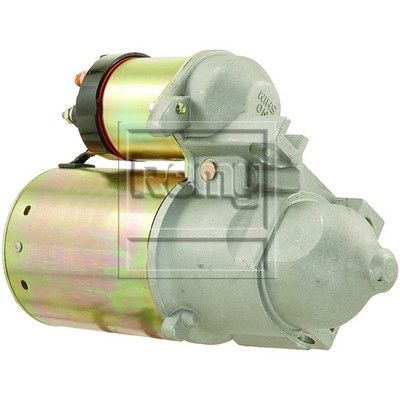
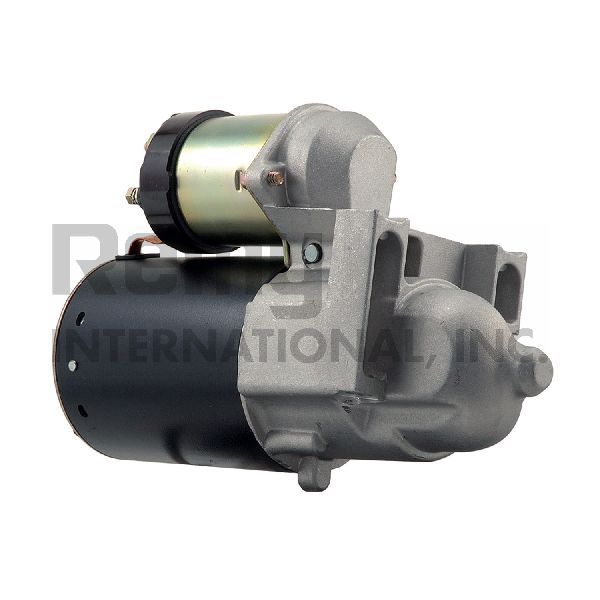
- For this vehicle, a new aftermarket starter from a brand like BBB Industries, Remy, or WAI Global is a cost-effective and reliable choice.
Is Your Electra's Starter Failing?
A bad starter is a common reason a car won't start, but it's important to make sure it's not a simpler issue first. Before replacing any parts, always check that your battery is fully charged and that the battery terminals and cables are clean and tight. Corrosion or a weak battery can cause symptoms nearly identical to a failing starter.
Rapid Clicking is Usually Not the Starter
If you hear a fast, chattering or clicking sound when you turn the key, the problem is almost always a weak or dead battery. The starter solenoid is trying to engage but doesn't have enough power, causing it to rapidly switch on and off. Charge and test your battery before assuming the starter is bad.
Common Symptoms of a Bad Starter
- Single, Loud Click: You turn the key and hear one solid 'CLICK' from the engine bay, but the engine doesn't turn over. This is the classic sign of a failed starter; the solenoid is engaging, but the motor isn't spinning.
- No Sound at All: If all your dashboard lights come on but you hear nothing when you turn the key to the 'start' position, the electrical signal may not be reaching the starter. This could be a failed starter solenoid, but it could also be an issue with the ignition switch or wiring.
- Slow, Labored Cranking: The engine turns over much slower than usual, as if the battery is weak. While a weak battery is a common cause, a worn-out starter motor can also draw too much power and cause this symptom.
- Grinding Noise: A harsh grinding or whirring sound during or just after cranking suggests the starter gear is damaged or not meshing correctly with the engine's flywheel. This should be addressed immediately to prevent damage to the flywheel.
Choosing the Right Aftermarket Starter
For a classic vehicle like the 1986-1990 Electra, finding a brand-new Original Equipment (OEM) starter is highly unlikely. The most common and practical choices are new aftermarket units. These parts are built by companies that specialize in manufacturing replacements and offer a good balance of value and reliability for an older vehicle.
Aftermarket Brand Quality
The brands available—BBB Industries, Remy, and WAI Global—are all established names in the aftermarket industry. Forum discussions and reviews show that they are generally considered standard-quality replacements. While Remy has a long history, some users have reported mixed long-term reliability. WAI Global and BBB Industries are also common choices. For a vehicle of this age, any of these new aftermarket units are a sensible choice over a remanufactured part, as new parts tend to have better reliability out of the box.
| Part Type | Estimated Cost |
|---|---|
| New Aftermarket Starter | $109.94 - $188.61 |
| Shop Labor | $98 - $143 |
| Total Estimated Cost | $207.94 - $331.61 |
Cost estimates are for parts and labor only and do not include taxes, fees, or potential complications.
A Note on Installation
The starter is located at the bottom front of the engine where it connects to the transmission. The replacement process involves disconnecting the battery, removing two wires, and unbolting two mounting bolts. However, be aware that some repair manuals note a potential complication: accessing the starter may require removing an exhaust pipe or a frame cross-member. If exhaust bolts are rusted and seized, this can make the job significantly more difficult for a DIY mechanic.
Frequently Asked Questions (FAQ)
Can a bad crank sensor be mistaken for a bad starter?
Yes, this is possible on the 3.8L V6 engine. However, there is a key difference: a bad starter typically results in a 'no-crank' or 'single-click' condition. A bad crankshaft position sensor will almost always allow the engine to crank over normally, but it will not start because the sensor isn't providing the information needed for spark.
How do I test a starter?
After confirming the battery is good, you can perform a voltage test. You will need a multimeter and a helper. With the vehicle in Park, have your helper turn the key to the 'start' position while you check for 12 volts at the small wire on the starter solenoid. If voltage is present but the starter does not crank, the starter has failed. If there is no voltage, the problem is further up the circuit (e.g., ignition switch, relay, or wiring).
Were there any recalls on the starter for this Electra?
No, there have been no safety recalls or specific Technical Service Bulletins (TSBs) issued by the NHTSA for the starter motor on the 1986-1990 Buick Electra.
What are starter shims?
Some GM vehicles of this era use thin metal shims between the starter and the engine block to ensure the starter gear aligns perfectly with the flywheel. If you find shims when removing the old starter, it is critical to reinstall them in the exact same location to prevent grinding noises or damage to the new starter or flywheel.
Technical Specifications
OEM Part Numbers: 10455013 10465021 19136222
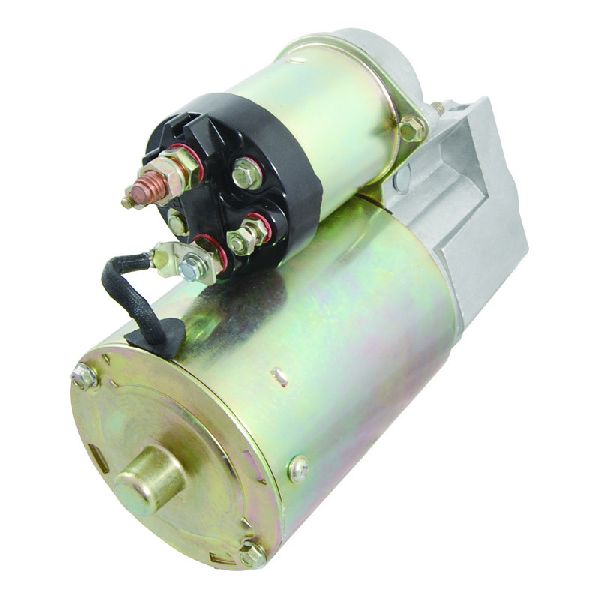
The 1986-1990 Buick Electra, primarily equipped with the 3.8L V6 engine, uses a standard-duty starter with an attached solenoid. The starter mounts to the engine block with two bolts and engages the flywheel to crank the engine.
We Have This Part in Stock

The information in this article is provided for general reference and educational purposes only. Vehicle specifications, procedures, and part compatibility can vary by production date, trim level, and region. Always consult your vehicle's factory service manual and verify part numbers before purchasing or performing repairs. Safety-critical components such as airbags, seat belts, and braking systems should be installed by a qualified professional.
- Buick Electra: