

A Guide to Replacing the Starter Motor on Your 1986-1990 Buick Electra
Don't get stranded by a bad starter; understand the symptoms, brands, and replacement costs for your Electra.
- A single, loud click points to a bad starter, while rapid clicking usually means a weak battery.
- For a stock Electra, an ACDelco starter is a reliable choice that ensures proper fit and OE-level performance.
- Be aware that on some models, replacing the starter may require removing an exhaust pipe, complicating the job.
- Always rule out a dead battery and corroded cables before spending money on a new starter.
Is Your Electra's Starter Failing?
A failing starter is one of the most common reasons a car won't start, but other parts can cause similar problems. Before you decide to replace the starter on your 1986-1990 Buick Electra, it's important to recognize the specific symptoms of starter failure. Always check that your battery is fully charged and the battery terminals are clean and tight first, as this is the most frequent cause of starting issues.
Common Symptoms of a Bad Starter:
- Single, Loud Click: You turn the key and hear one loud click, but the engine doesn't crank. This sound is the starter's solenoid engaging, but the motor itself isn't turning. This is a classic sign of a failed starter.
- No Sound at All: If you turn the key and hear nothing, the problem could be in the electrical path to the starter, including the solenoid or ignition switch.
- Grinding Noise: A grinding or whirring sound during or after the engine starts can mean the starter gear is not engaging properly with the flywheel or is failing to disengage.
- Slow Cranking: If the engine turns over very slowly, it could be a sign of a weak starter motor drawing too much current, though this symptom is also very common with a weak battery.
Rapid Clicking is Usually Not the Starter
A fast, chattering or clicking noise when you turn the key is almost always caused by a dead or weak battery. The starter is trying to engage but doesn't have enough power, causing the solenoid to rapidly switch on and off. Charge or test your battery before buying a new starter.
Choosing the Right Aftermarket Starter
For a vehicle from this era, new Original Equipment Manufacturer (OEM) parts are generally not available. Your choices will be between new aftermarket parts and remanufactured units. Here’s a breakdown of the available brands.
Brand Quality Tiers
- Premium / OE-Style (ACDelco): ACDelco is the original parts brand for General Motors. Choosing an ACDelco starter, even their aftermarket Gold or Professional lines, gives you the highest confidence in proper fit and function. They are built to GM's quality and performance standards, making them a reliable choice for a daily driver.
- Standard Aftermarket (MPA): Motor Parts of America (MPA) is a large supplier of aftermarket parts. Their starters are a cost-effective alternative to premium brands and are suitable for a standard repair. They offer a balance of value and quality for drivers on a budget.
- Performance / Specialty (Proform): Proform specializes in high-torque, gear-reduction starters. These are often smaller and more powerful than stock units, designed for modified engines with high compression or for vehicles where space is tight. For a stock 3.8L V6 in an Electra, a Proform starter is likely unnecessary and reviews on their longevity for daily use are mixed.
Potential Installation Issues
The starter on the 1986-1990 Electra is located at the bottom front of the engine. For many, the replacement is straightforward: disconnect the battery, remove two wires, and unbolt two mounting bolts. However, some repair manuals note that on certain models, accessing the starter may require removing an exhaust pipe or a frame cross-member. This can make the job significantly more difficult, especially if exhaust bolts are rusted and seized. Be prepared for this possibility before starting the job.
| Part / Service | Estimated Cost |
|---|---|
| New Aftermarket Starter | $85 - $221 |
| Remanufactured Starter | $70 - $180 |
| Shop Labor | $150 - $300 |
| Total Professional Installation | $235 - $521 |
Frequently Asked Questions (FAQ)
How do I test my starter before replacing it?
First, ensure the battery is good. Then, you can check for voltage at the starter. You'll need a helper to turn the key to the 'start' position while you use a multimeter to check for 12 volts at the small wire on the starter solenoid. If you have voltage there but the starter doesn't work, the starter has likely failed. If there is no voltage, the problem is upstream in the ignition switch or wiring.
What is a 'core charge?'
A core charge is a deposit you pay when buying a remanufactured part. It's refunded to you when you return your old, failed starter to the store. This system allows manufacturers to rebuild old parts, which is common for components like starters and alternators.
Do I need a special 'high-torque' starter for my Electra?
For a stock 3.8L V6 engine, a standard replacement starter from a brand like ACDelco is perfectly adequate. High-torque or 'mini' starters are designed for modified, high-compression engines or custom builds where exhaust clearance is an issue. They are not necessary for a standard Electra.
Could a bad crankshaft position sensor be mistaken for a bad starter?
Yes. The 3.8L V6 engine uses a crankshaft position sensor to time the spark plugs. If this sensor fails, the engine will crank but will not start. A key difference is that a bad starter usually results in a 'no-crank' or 'single-click' condition, while a bad crank sensor will almost always allow the engine to crank normally, it just won't fire up.
Technical Specifications
OEM Part Numbers: 1109022 19298450
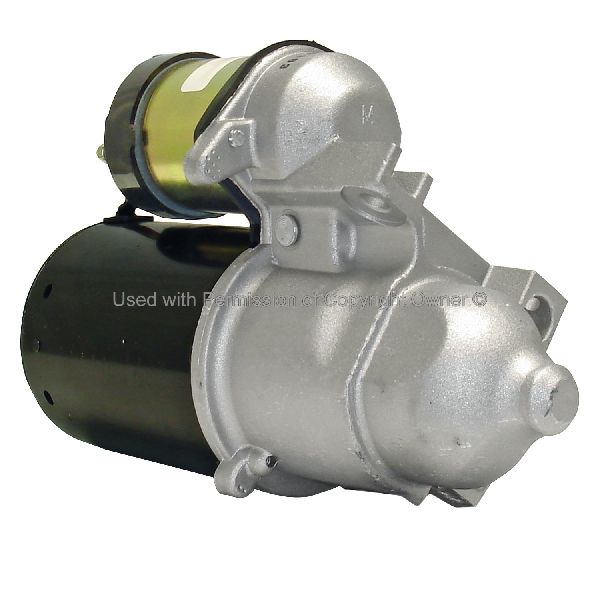
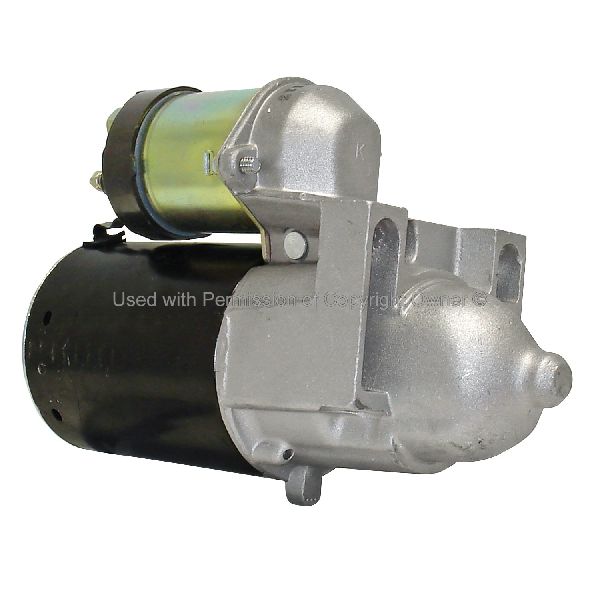
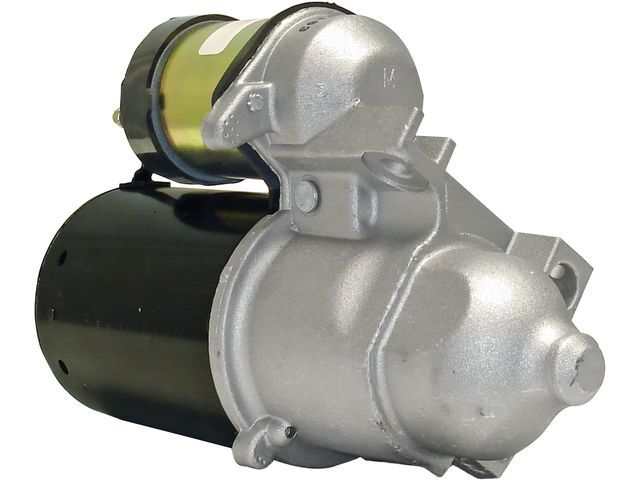
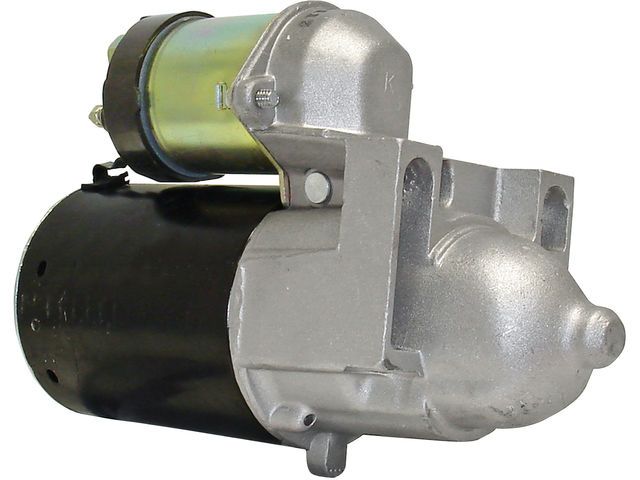
Fits 1986-1990 Buick Electra with 3.8L V6 engine. Standard configuration is a direct-drive starter with an attached solenoid. Typically secured with two mounting bolts.
We Have This Part in Stock

The information in this article is provided for general reference and educational purposes only. Vehicle specifications, procedures, and part compatibility can vary by production date, trim level, and region. Always consult your vehicle's factory service manual and verify part numbers before purchasing or performing repairs. Safety-critical components such as airbags, seat belts, and braking systems should be installed by a qualified professional.
- Buick Electra: