

Chevrolet P30 Automatic Transmission Mount: A Replacement Guide for 1986-1990 Models
Experiencing clunks or vibrations in your P30? Your transmission mount might be the culprit.
- A clunking noise when shifting and new vibrations are the most common signs of a bad mount on a P30.
- Aftermarket brands like Anchor and DEA are the only realistic options for a new part, but be aware of potential quality and longevity issues compared to the original.
- Replacement is affordable and straightforward for a DIYer with proper tools or a professional mechanic.
- Do not ignore a failed mount, as the excessive movement can cause more expensive damage to other drivetrain components.
Symptoms of a Failing Transmission Mount
When the transmission mount wears out, the signs are hard to ignore. The rubber cracks and hardens, or separates from the metal, losing its ability to absorb vibration and secure the transmission. Because worn mounts are a common source of vibration on the P30 chassis, it's a key part to inspect if you notice a new shake or noise.
Watch out for these common symptoms:
- Clunking or Banging Noises: You may hear a distinct "clunk" when you shift from park into drive or reverse. This sound can also occur during hard acceleration or braking as the transmission shifts and hits against the frame.
- Excessive Vibration: A new, persistent vibration felt in the floor or seat, especially while accelerating, is a primary symptom. With a failed mount, the vibrations that were once absorbed are transferred directly into the vehicle's chassis.
- Drivetrain Movement: In some cases, you can feel or even see the engine and transmission move excessively when shifting gears. A helper can safely stand to the side of the vehicle (never in front) and watch the engine as you shift from drive to reverse with the brakes applied to check for movement.
Choosing the Right Aftermarket Part
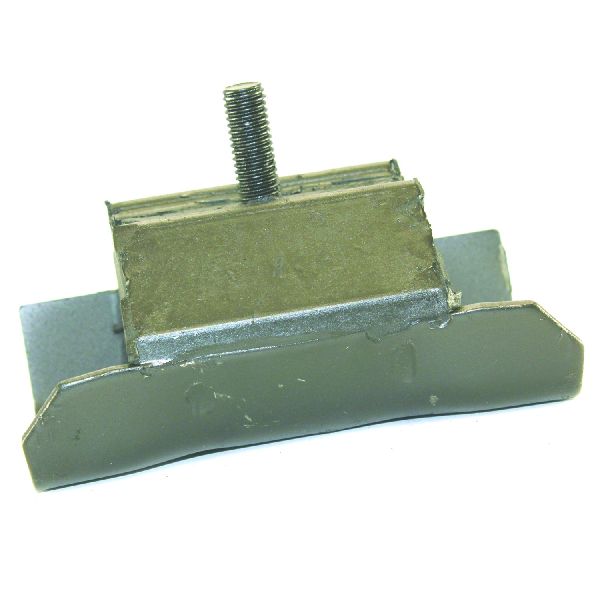
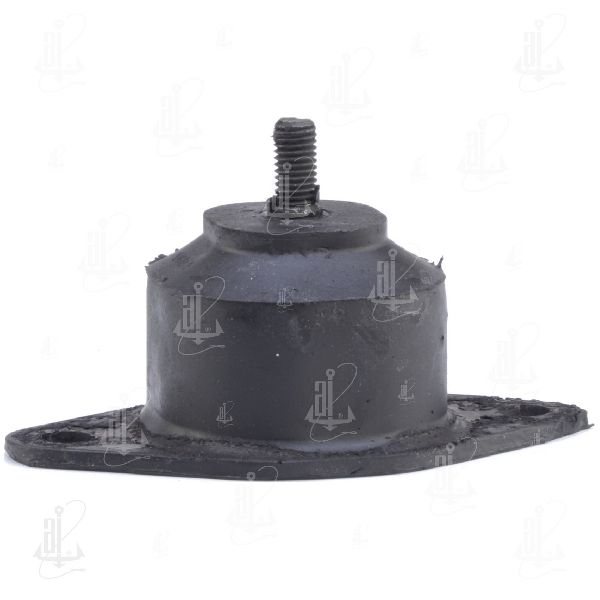
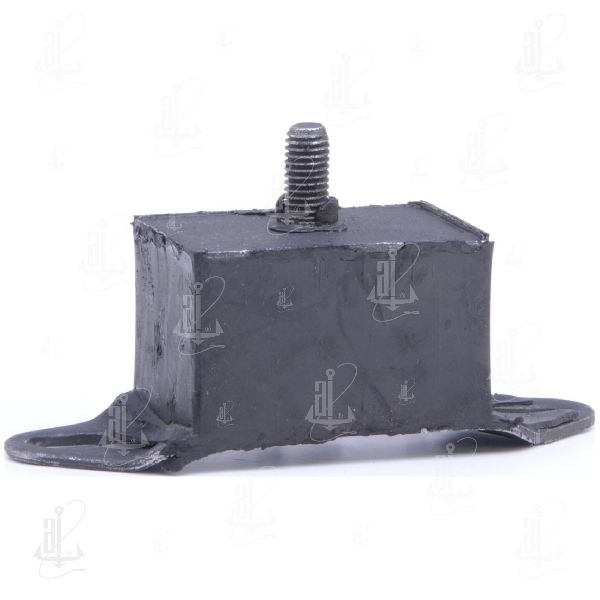
For a vehicle from this era, finding a new original equipment (OEM) transmission mount from a GM dealer is highly unlikely. Your realistic option is a new aftermarket part. The most common brands available are budget-friendly choices like Anchor and DEA.
A Note on Aftermarket Quality: It's important to be realistic about budget-friendly mounts. Forum discussions among vehicle owners often describe these parts as being of lower quality than the original factory mounts. Some users report issues like poor fitment, increased vibrations right after installation, and a much shorter lifespan. While some have used them without problems, many have had to replace them again sooner than expected. Given the heavy-duty nature of the P30, a lower-quality mount may fail more quickly under the constant load.
Pro Tip: Inspect Before Installing
No matter which brand you choose, inspect the new mount out of the box. Look for any cracks in the rubber, ensure it feels solid, and compare it to the old part you are replacing to check for any obvious differences in size or shape that could cause installation problems.
Estimated Replacement Costs
The cost to replace the transmission mount on a 1986-1990 P30 is relatively low, as the part itself is inexpensive and the labor is straightforward for a professional.
| Item | Estimated Cost |
|---|---|
| New Aftermarket Mount | $13 - $16 |
| Shop Labor | $120 - $300 |
| Total Estimated Cost | $133 - $316 |
Cost estimates do not include taxes or potential fees and may vary by location.
Frequently Asked Questions
Can I replace the P30 transmission mount myself?
Yes, this is a DIY-friendly job for someone with the right tools and safety knowledge. The process involves safely lifting and supporting the vehicle on jack stands, supporting the transmission with a floor jack and a block of wood, unbolting the old mount, and installing the new one. Access on a rear-wheel-drive P30 chassis is generally good.
Is it safe to drive with a bad transmission mount?
You can drive for a short time, but it is not recommended. A completely failed mount can cause damage to other components, including driveshaft joints, exhaust pipes, and even the transmission housing itself. The excessive movement and vibration put stress on parts that were not designed to handle it.
Why do mounts fail on a heavy vehicle like the P30?
Transmission mounts on heavy vehicles like P30-based RVs and step vans are under constant stress. The rubber material breaks down over decades from heat, constant flexing under torque, and exposure to road grime and leaking fluids like oil. The sheer weight and power of the vehicle mean this part works harder than it would on a small passenger car, leading to eventual failure from wear and tear.
Are there any recalls or TSBs for this part?
There are no specific recalls or Technical Service Bulletins (TSBs) from the NHTSA related to the automatic transmission mount for the 1986-1990 Chevrolet P30. Issues with this part are typically due to age and wear rather than a manufacturing defect.
Technical Specifications
Solid rubber and metal construction. Mounts to the transmission tail housing and the frame crossmember. Specific dimensions can vary, so matching to the original part is recommended.
We Have This Part in Stock

The information in this article is provided for general reference and educational purposes only. Vehicle specifications, procedures, and part compatibility can vary by production date, trim level, and region. Always consult your vehicle's factory service manual and verify part numbers before purchasing or performing repairs. Safety-critical components such as airbags, seat belts, and braking systems should be installed by a qualified professional.
- Chevrolet P30: