

Ford Bronco Automatic Transmission Speed Sensor Guide (1986-1990)
Fix your 1986-1990 Bronco's erratic shifting and jumping speedometer by understanding this critical sensor.
- A faulty speed sensor is a primary cause of erratic shifting and speedometer issues on 1986-1990 Broncos.
- This is a simple, low-cost DIY repair that most owners can perform in under an hour.
- The correct sensor for shifting and speedometer issues is on the transfer case (4WD), not the RABS sensor on the rear axle.
- Quality aftermarket brands like Standard Ignition provide a reliable and affordable replacement for the hard-to-find OEM part.
Is Your Bronco Shifting Hard or Acting Unpredictable?
If you're dealing with a speedometer that bounces around, harsh gear shifts, or a cruise control system that has stopped working, a failing automatic transmission output shaft speed sensor is a likely culprit. For the 1986-1990 Ford Bronco, this sensor plays a dual role. It provides an electronic signal for computer-controlled functions while also driving a mechanical cable for the speedometer. A bad signal can confuse the transmission computer, causing it to shift at the wrong times, which can feel like a major transmission problem.
Symptoms of a Failing Transmission Speed Sensor
A bad speed sensor can cause several noticeable issues. Because the transmission computer relies on this data, the most common problems are related to shifting performance.
- Harsh or Delayed Shifting: The transmission may slam into gear, hesitate before shifting, or seem to 'hunt' for the right gear.
- Erratic Speedometer: The speedometer needle may jump around, read incorrectly, or stop working altogether.
- Cruise Control Malfunction: The cruise control may not engage or may disengage unexpectedly.
- Check Engine Light: While less common on these older OBD-I systems, a persistent sensor fault can sometimes trigger a check engine light.
Don't Confuse This with the RABS Sensor
Your 1986-1990 Bronco also has a speed sensor on the rear differential for the Rear Anti-lock Brake System (RABS). While they are both speed sensors, they serve different primary functions. The sensor on the transmission or transfer case is the one that directly impacts automatic shifting and drives the speedometer. Always verify you are replacing the correct sensor for the problem you're experiencing.
Choosing the Right Aftermarket Speed Sensor
For a vehicle from this era, finding a new OEM Ford sensor is difficult and often expensive. Aftermarket parts are the most practical and affordable solution. Quality aftermarket brands offer reliable performance that meets or exceeds the original specifications.
Brand Quality Tiers
- Standard Ignition (SMP): Standard is a well-regarded aftermarket manufacturer known for producing quality engine management components that are built to last. Choosing a Standard sensor is a solid bet for a reliable, long-term repair.
- True Tech: True Tech is often presented as a value-focused brand. Reviews for various repair shops under this name are generally positive, indicating a focus on honest service and customer satisfaction. For a straightforward part like a speed sensor, this can be a cost-effective option for budget-conscious repairs.
Pro Tip: Check the Gear
The speed sensor is often driven by a small plastic gear. When you remove the old sensor, inspect this gear for worn, broken, or stripped teeth. Sometimes the gear fails, not the sensor itself. If the gear is damaged, it must be replaced to ensure the new sensor reads correctly.
Typical Replacement Costs
Replacing the transmission speed sensor is an affordable repair. The parts are not expensive, and the labor is straightforward.
| Part/Service | Estimated Cost |
|---|---|
| New Aftermarket Sensor | $24 - $51 |
| Shop Labor | $60 - $135 |
| Total Estimated Cost | $84 - $186 |
Cost estimates are based on the provided price range and national labor averages. Your cost may vary based on location and your specific vehicle's condition.
Frequently Asked Questions
Where is the speed sensor located on my 1986-1990 Bronco?
For 4-wheel drive models, the sensor is located on the output housing of the transfer case, where the rear driveshaft connects. On rare 2-wheel drive models, it would be on the tail housing of the transmission. It has both a speedometer cable and an electrical connector attached to it.
Can I replace this sensor myself?
Yes, this is a very DIY-friendly job. It typically involves disconnecting the electrical plug and speedometer cable, removing a single hold-down bolt, and pulling the sensor out. It should take less than an hour with basic hand tools.
Will I lose transmission fluid when I replace it?
A small amount of transmission or transfer case fluid may leak out when you remove the sensor. It's a good idea to have a rag handy and to check your fluid level after the replacement is complete. Top off as needed with the correct fluid type specified in your owner's manual.
What are the OEM part numbers for this sensor?
Common Ford part numbers for this era include E9TZ-9E731-A, E3AZ-9E731-A, and E6DZ-9E731-C. Always verify the part fits your specific year and transmission combination before ordering.
Technical Specifications
OEM Part Numbers: E9TZ-9E731-A E3AZ-9E731-A E6DZ-9E731-C
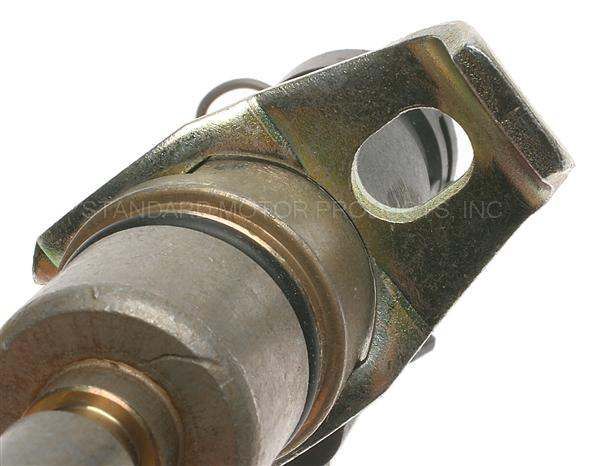
Mounts on transmission or transfer case. Features a 2-pin electrical connector and a mechanical drive for a speedometer cable.
We Have This Part in Stock


The information in this article is provided for general reference and educational purposes only. Vehicle specifications, procedures, and part compatibility can vary by production date, trim level, and region. Always consult your vehicle's factory service manual and verify part numbers before purchasing or performing repairs. Safety-critical components such as airbags, seat belts, and braking systems should be installed by a qualified professional.
- Ford Bronco:
- 🛍️ Shop This Part
- Is Your Bronco Shifting Hard or Acting Unpredictable?
- Symptoms of a Failing Transmission Speed Sensor
- Don't Confuse This with the RABS Sensor
- Choosing the Right Aftermarket Speed Sensor
- Brand Quality Tiers
- Pro Tip: Check the Gear
- Typical Replacement Costs
- Frequently Asked Questions
- 🎟️ Get 5% Off