

Ford Mustang Starter Solenoid Guide: 1986-1990 No-Start Problems
Troubleshooting the common 'click but no crank' issue in your Fox Body Mustang.
- The most common symptom of failure is a single loud click from the passenger-side fender when you turn the key, with no engine crank.
- For reliability and to avoid repeat failures, using a genuine Motorcraft OEM replacement solenoid is highly recommended by experienced owners.
- Before replacing the solenoid, always check and clean your battery terminals and all major ground connections, as they can cause identical symptoms.
- Replacement is very easy, taking less than 30 minutes with basic tools, making it a great DIY job.
That Dreaded Click, But No Start

You turn the key in your Fox Body Mustang, and instead of the powerful roar of the 5.0L V8, you hear a single, loud 'CLICK' from under the hood. This is one of the most common and frustrating problems for 1986-1990 Mustang owners, and the fender-mounted starter solenoid is a frequent culprit. This component takes a lot of electrical load and can wear out, leaving you stranded. Before you replace the starter, understanding the solenoid is key.
Symptoms of a Failing Starter Solenoid

A bad starter solenoid can mimic other issues, like a dead battery or a bad starter. Knowing the specific signs can save you time and money.
🎬 Watch: How to diagnose a bad solenoid and identify symptoms.- Single Loud Click: The most classic symptom. You turn the key to 'Start', and you hear one loud click from the passenger side of the engine bay, but the engine doesn't turn over. This usually means the solenoid is receiving the signal from the key but is failing to send power to the starter.
- No Response / No Click: You turn the key and get complete silence. This can happen if the solenoid fails completely and doesn't even engage.
- Intermittent Starting: The car starts fine one day but only clicks the next. This indicates the internal contacts of the solenoid are worn and only making a connection sometimes.
- Starter Stays Engaged: After the engine starts and you release the key, you may hear the starter motor continue to run. This happens when the solenoid's internal contacts weld themselves together, and it requires immediate attention to prevent starter damage.
- Buzzing Sound: A low or buzzing sound from the solenoid can indicate it's receiving low voltage or failing internally.
Pro Tip: Check Your Grounds First!
Before blaming the solenoid, check your battery terminals and ground connections. A loose or corroded ground wire from the battery to the engine block or chassis can cause identical symptoms and is a very common issue on Fox Body Mustangs. Cleaning these connection points is a free and easy first step.
Choosing the Right Aftermarket Solenoid

When it's time to replace the solenoid, you have a few options. For this part, brand choice matters.
- OEM / Motorcraft: In forums, experienced owners repeatedly recommend using a genuine Ford or Motorcraft (part SW1951C) replacement. They are considered more reliable and less prone to premature failure than many generic parts store brands.
- Performance Aftermarket (Accel, Powermaster): Brands like Accel offer heavy-duty solenoids, often with features like copper windings and contacts designed to handle higher electrical loads, which can be beneficial for modified cars. Powermaster is also known in the performance starter market. These are a good choice if you're upgrading your starting system.
- Standard Aftermarket (Standard Ignition): These are designed to be direct, budget-friendly replacements that meet original specifications. While they can be a good value, some owners report a shorter lifespan compared to OEM parts.
Warning: Disconnect the Battery
Before you begin any work on the starter solenoid, you must disconnect the negative battery terminal. The solenoid has a direct, unfused connection to the positive battery terminal. Accidentally touching a tool from this terminal to any grounded metal will create a very large spark, potentially welding the tool, damaging components, or causing injury.
Cost of Replacing a Starter Solenoid
| Item | Estimated Cost |
|---|---|
| New OEM (Motorcraft) | $30 - $45 |
| New Aftermarket | $25 - $55 |
| Shop Labor | $50 - $100 |
Frequently Asked Questions

Is the starter solenoid on the starter for a Fox Body Mustang?
No. On 1986-1990 Mustangs, the main starter solenoid is mounted on the inner fender on the passenger side of the engine bay, not on the starter motor itself. This is a key difference from many other vehicles.
I replaced my solenoid and it failed again quickly. Why?
This is a common complaint with lower-quality aftermarket solenoids. Another reason could be an underlying issue, such as a starter that is drawing too much current or a poor ground connection causing the solenoid to work harder and overheat. Always opt for a high-quality brand like Motorcraft to avoid repeat failures.
What is the 'screwdriver trick' to start the car?
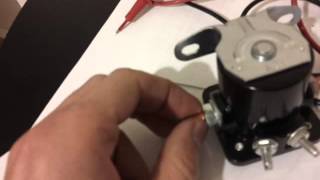
This is an emergency bypass method. By bridging the two large terminals on the solenoid with a screwdriver, you manually complete the circuit and send power to the starter. This is extremely dangerous due to the high current and sparks it creates and should only be done in an emergency by someone who understands the risks. It confirms the solenoid is the problem if the engine cranks. 🎬 See this easy guide on how to test your solenoid. Make sure the car is in neutral or park.
How hard is it to replace the starter solenoid?
It is one of the easiest repairs you can do on a Fox Body Mustang. It is held in place by two bolts and has four simple wire connections. The entire job typically takes less than 30 minutes and requires only basic hand tools.
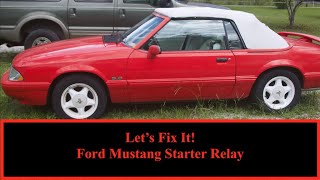
🎬 Follow this step-by-step Fox Body solenoid replacement walkthrough.Helpful Videos

Technical Specifications
OEM Part Numbers: E9TZ-11450-B SW1951C
Fender Mounted Starter Relay
We Have This Part in Stock


The information in this article is provided for general reference and educational purposes only. Vehicle specifications, procedures, and part compatibility can vary by production date, trim level, and region. Always consult your vehicle's factory service manual and verify part numbers before purchasing or performing repairs. Safety-critical components such as airbags, seat belts, and braking systems should be installed by a qualified professional.
- Ford Mustang: