

A Ford Taurus Owner's Guide to the Oxygen Sensor (1986-1990)
Fix your first-generation Taurus's poor mileage and rough idle by understanding and replacing this key sensor.
- Your 1986-1990 Taurus likely has only one upstream oxygen sensor.
- A bad sensor will cause poor gas mileage and a rough idle; ignoring it can damage your catalytic converter.
- Choose a direct-fit sensor from a reputable brand like NGK/NTK or Denso for best results.
- Use penetrating oil and a special O2 sensor socket to make removal much easier.
Is Your Taurus Running Rough or Guzzling Gas?
If your 1986-1990 Ford Taurus is showing its age with poor fuel economy, a rough idle, or hesitation when you accelerate, a failing oxygen sensor could be the culprit. This small but vital sensor plays a big role in how your engine performs. Over time, sensors wear out or get contaminated by engine deposits, sending bad information to the engine computer. Replacing a worn-out O2 sensor is a common maintenance item that can restore performance and save you money at the pump.
Symptoms of a Failing Oxygen Sensor
A bad oxygen sensor can cause several noticeable problems. Because these early Taurus models are pre-OBDII, they may not have a check engine light that points directly to the sensor, so you'll have to rely on performance symptoms.
- Poor Fuel Economy: This is the most common sign. If you notice you're filling up the tank more often, your O2 sensor may be telling the engine to use more fuel than needed.
- Rough Idle: An engine that shakes, sputters, or idles unevenly can be caused by an incorrect air-fuel mixture from a bad sensor.
- Engine Hesitation or Misfires: If the car stumbles or misfires when you press the gas, the O2 sensor may be providing slow or incorrect data.
- Rotten Egg Smell: A strong smell of sulfur from the exhaust is a sign of an overly rich fuel mixture, which can damage the catalytic converter over time.
- Failed Emissions Test: A bad O2 sensor is a common reason for failing a state-mandated emissions or smog test.
Don't Wait to Replace a Bad Sensor
Driving for too long with a failed oxygen sensor can cause expensive damage. An engine running too rich can overheat and destroy the catalytic converter, a much more costly repair.
Choosing the Right Aftermarket Oxygen Sensor
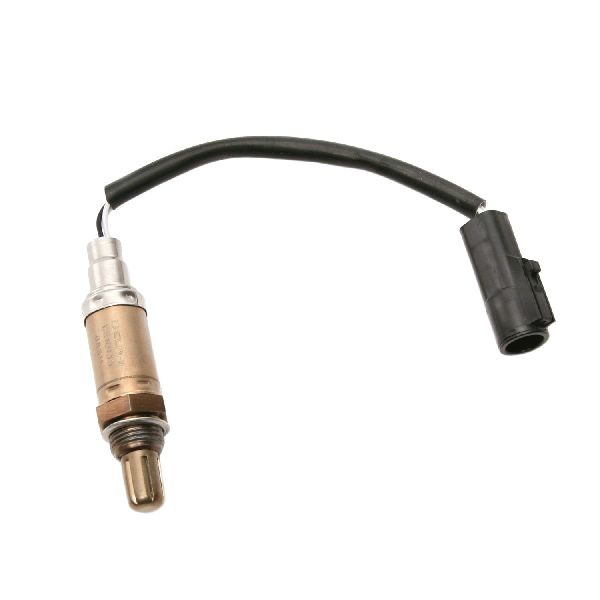
For a vehicle from this era, finding an original Motorcraft part is difficult and often unnecessary. Today's aftermarket offers a range of quality options. Always choose a "direct-fit" sensor with the correct plug. Avoid "universal" sensors that require you to cut and splice wires, as this can lead to connection problems.
Brand Quality Tiers
Based on owner feedback and mechanic consensus, aftermarket brands for your Taurus can be grouped by quality and reputation.
- Tier 1: OEM Quality (NGK/NTK, Denso): These brands are often the original equipment manufacturers for many car companies, including Ford. They are widely trusted for their reliability, durability, and precise performance. For a critical part like an O2 sensor, spending a little more on an NGK (also sold as NTK) or Denso sensor is a smart investment.
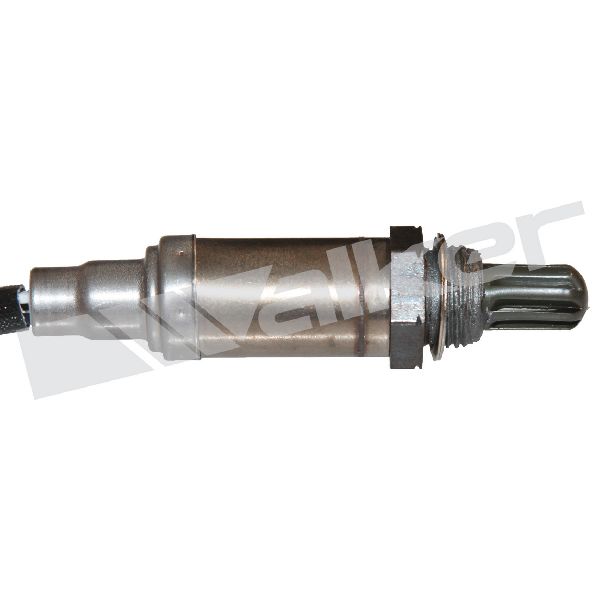
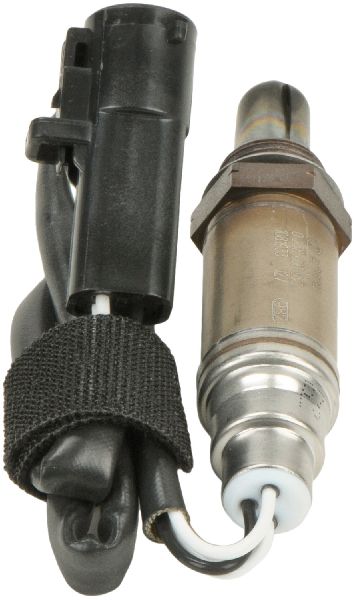
- Tier 2: Trusted Aftermarket (Bosch, Walker Products): Bosch invented the oxygen sensor and is a massive parts supplier. However, some Ford owners in forums report mixed results, with some sensors being described as "lazy" or not performing as well as OEM. Walker is a well-known exhaust parts company, and their sensors are generally considered a reliable mid-range option.
- Tier 3: Budget-Friendly (DriveWire, Store Brands): These are the most affordable options. While they can work, their long-term reliability and the precision of their sensors may not match the higher-tier brands. They can be a choice if the budget is the primary concern, but may not last as long.
How Much Does a New Oxygen Sensor Cost for a 1986-1990 Taurus?
The cost is broken down into the part itself and the labor to install it. Since this is a straightforward job, you can save significant money by doing it yourself.
| Item | Estimated Cost |
|---|---|
| New Aftermarket Oxygen Sensor | $38.48 - $74.81 |
| Shop Labor Cost | $75 - $150 |
| Expected Total (Shop) | $113 - $225 |
Installation Tip: Use the Right Tools
Oxygen sensors can be very tight and rusted in place. Let the exhaust cool completely before starting. Spray the base of the old sensor with penetrating oil and let it soak for at least 15-20 minutes. Using a special oxygen sensor socket, which has a slot for the wire, is highly recommended to avoid damaging the new sensor and to get enough leverage on the old one.
Frequently Asked Questions
How many oxygen sensors does my 1986-1990 Taurus have?
Your first-generation Taurus most likely has only one oxygen sensor. It is located "upstream" of the catalytic converter, usually screwed into the exhaust manifold or the main exhaust pipe just after the engine. Cars from this era had much simpler emissions systems than modern vehicles.
Was there a recall for the oxygen sensor on this Taurus?
There was a Canadian emissions recall in 1986 for Ford vehicles with the 2.3L engine, which noted a potential loose terminal in the heated oxygen sensor. While this was not a full NHTSA recall in the US, it indicates a potential factory issue on some early models. There are no other widespread recalls or Technical Service Bulletins (TSBs) specifically for the oxygen sensor on the 1986-1990 Taurus.
Can I clean my old oxygen sensor instead of replacing it?
It is not recommended. Oxygen sensors are sensitive electronic components that are not designed to be cleaned. Any attempt to clean them can easily cause damage, and the results are temporary at best. For the cost of a new sensor, replacement is the only reliable solution.
What is the difference between a heated and unheated sensor?
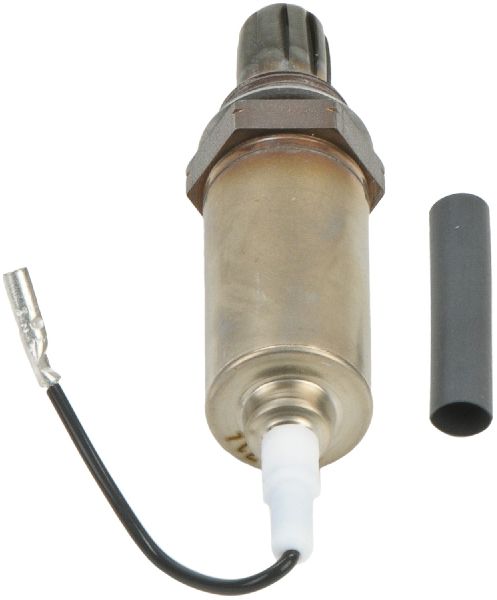
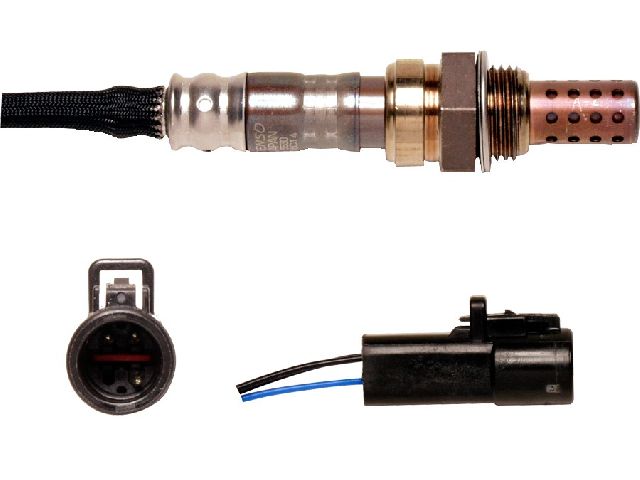
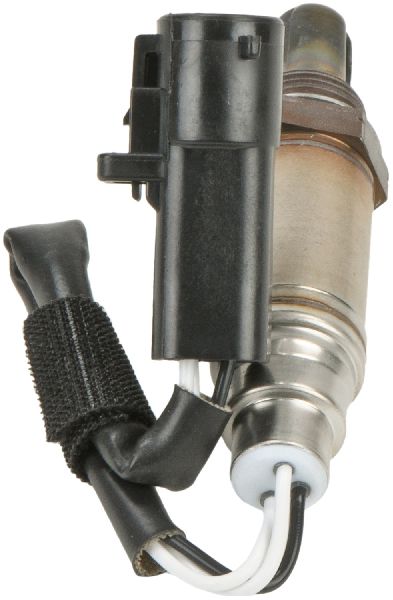
An unheated sensor (1 or 2 wires) relies on hot exhaust gas to reach its operating temperature, which can take a few minutes. A heated sensor (3 or 4 wires) has a small internal heater to get it working correctly much faster. This improves emissions control right from a cold start. It is critical to replace your sensor with the same type that came from the factory; check the number of wires on your old sensor to be sure.
Technical Specifications
Your vehicle may use a 1, 2, 3, or 4-wire sensor. It is crucial to match the wire count and connector plug of the original part. Most aftermarket parts are direct-fit and include anti-seize compound on the threads.
We Have This Part in Stock

The information in this article is provided for general reference and educational purposes only. Vehicle specifications, procedures, and part compatibility can vary by production date, trim level, and region. Always consult your vehicle's factory service manual and verify part numbers before purchasing or performing repairs. Safety-critical components such as airbags, seat belts, and braking systems should be installed by a qualified professional.
- Ford Taurus:
- 🛍️ Shop This Part
- Is Your Taurus Running Rough or Guzzling Gas?
- Symptoms of a Failing Oxygen Sensor
- Don't Wait to Replace a Bad Sensor
- Choosing the Right Aftermarket Oxygen Sensor
- Brand Quality Tiers
- How Much Does a New Oxygen Sensor Cost for a 1986-1990 Taurus?
- Installation Tip: Use the Right Tools
- Frequently Asked Questions
- 🎟️ Get 5% Off