

Guide to the Automatic Transmission Mount for the 1986-1990 GMC P3500
Eliminate drivetrain clunks and excessive vibration by understanding and replacing your P3500's transmission mount.
- Loud clunks when shifting and new vibrations are the primary symptoms of a bad mount.
- Available aftermarket brands like Anchor and DEA are budget-friendly but may not offer the same durability as the original part.
- Replacement is a straightforward DIY job for those with a jack, jack stands, and basic hand tools.
- There are no known recalls or TSBs for this part; failure is due to age and wear.
Symptoms of a Failing Transmission Mount
When the rubber on the transmission mount cracks, collapses, or separates from the metal, it can no longer do its job effectively. This leads to several noticeable symptoms. Ignoring these signs can lead to damage to other components, including driveshaft joints, exhaust pipes, and engine mounts.
- Clunking or Banging Noises: The most common sign is a loud clunk or bang when you shift gears (especially from Park to Drive or Reverse), accelerate hard, or brake suddenly. This is the sound of the transmission moving excessively and hitting the frame.
- Excessive Vibration: You may feel a new or increased vibration in the floor, steering wheel, or throughout the cabin. This happens because the worn-out rubber can no longer dampen the normal vibrations from the drivetrain.
- Visible Drivetrain Movement: A mechanic (or a helper) may be able to see the engine and transmission rock or lift excessively when shifting gears with the brakes applied.
Choosing the Right Aftermarket Mount
For a vehicle like the 1986-1990 P3500, finding a new original equipment (OEM) mount from GM is unlikely. The market primarily consists of aftermarket brands that offer affordable replacements.
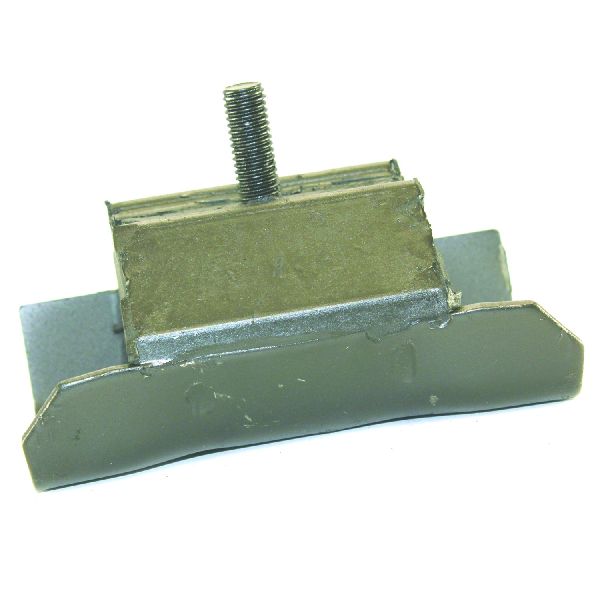
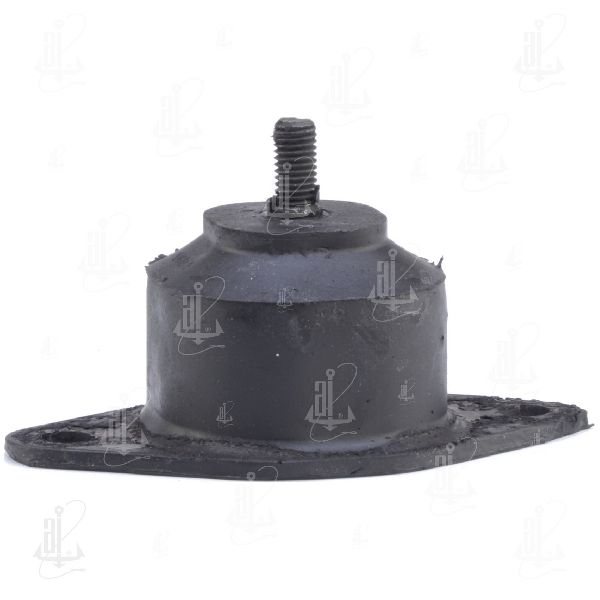
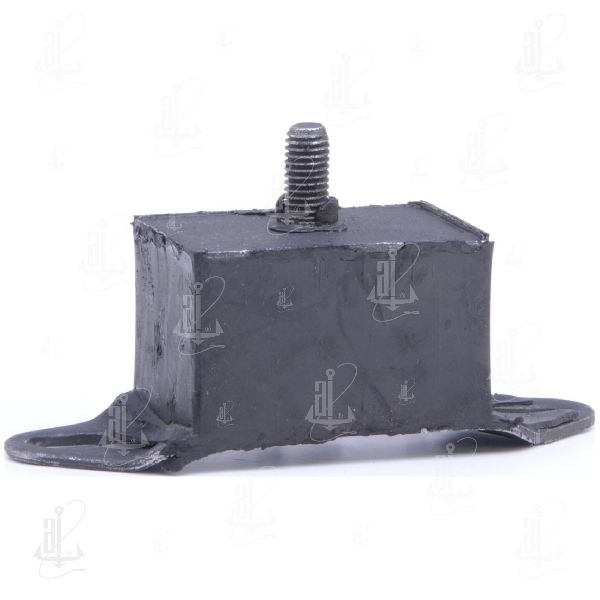
- Economy Brands (Anchor, DEA): Brands like Anchor and DEA are widely available and very budget-friendly. Forum discussions show mixed user experiences; some find them to be an acceptable, low-cost solution, while others report issues with premature failure or poor fitment. They are generally considered a lower-quality alternative to the original factory part.
Replacement Cost
Replacing the transmission mount is a relatively inexpensive repair. The part itself is affordable, and the labor is not extensive. Costs can vary based on your location and local labor rates.
| Part Type | Estimated Cost |
|---|---|
| New Aftermarket (Anchor, DEA) | $13 - $16 |
| New OEM | $65 - $110 (If available) |
| Shop Labor | $100 - $200 |
Frequently Asked Questions (FAQ)
Can I replace the transmission mount myself?
Yes, this is a very feasible DIY job for someone with basic mechanical skills and tools. The process involves safely lifting and supporting the vehicle on jack stands, supporting the transmission with a floor jack, unbolting the mount from the crossmember and transmission, and installing the new part.
Where is the transmission mount located?
On a rear-wheel-drive P3500, the automatic transmission mount is located at the rear of the transmission (the tailshaft), where it bolts to a frame crossmember running underneath the truck.
What tools are needed to replace the mount?
You will need a floor jack, jack stands, a set of metric wrenches and sockets (14mm or 15mm are common sizes for this job), and potentially a breaker bar for stubborn bolts. Applying a penetrating oil like PB Blaster to the bolts beforehand can make them easier to remove.
Are there any recalls or TSBs for the P3500 transmission mount?
No, searches of the National Highway Traffic Safety Administration (NHTSA) database did not find any recalls or Technical Service Bulletins (TSBs) specifically related to the transmission mount for the 1986-1990 GMC P3500. Failure of this part is typically due to age and normal wear.
Technical Specifications
OEM Part Numbers: 22188145 17982949
Constructed of steel and rubber, this mount bolts to the transmission tailshaft and the frame crossmember. It is a non-hydraulic, solid rubber design.
We Have This Part in Stock

The information in this article is provided for general reference and educational purposes only. Vehicle specifications, procedures, and part compatibility can vary by production date, trim level, and region. Always consult your vehicle's factory service manual and verify part numbers before purchasing or performing repairs. Safety-critical components such as airbags, seat belts, and braking systems should be installed by a qualified professional.
- GMC P3500: