

Choosing the Right Spark Plugs for Your 1986-1991 Acura Integra
Keep your classic Integra's engine running smoothly with the correct set of plugs.
- For reliability and performance, stick with OEM-equivalent brands like NGK or Denso.
- Always verify the spark plug gap with a gapper tool before installation, even if the plugs are pre-gapped.
- Standard copper plugs are a great, affordable option but require more frequent replacement (every 15k-30k miles).
- When replacing plugs, check the spark plug wells for oil, which indicates a leaking valve cover gasket that should also be replaced.
Symptoms of Failing Spark Plugs
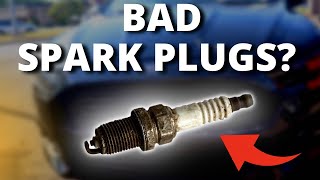
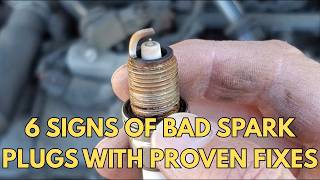
When spark plugs wear out, they can't create a strong enough spark to ignite the fuel mixture properly. You'll notice the difference in how your Integra drives. Look for these common signs:
- Rough Idle: The engine may shake or vibrate more than usual when stopped.
- Difficulty Starting: The engine may crank for a long time before it starts, or it may not start at all.
- Engine Misfires: You may feel a hesitation or stumble during acceleration as a cylinder fails to fire correctly. This can sometimes trigger a Check Engine Light on later models.
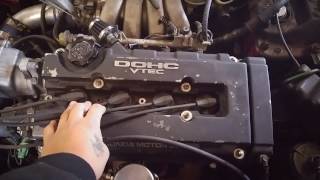
- Poor Acceleration: The car may feel sluggish and less responsive than normal. 🎬 Watch a mechanic explain these 5 common symptoms in detail.
- Reduced Fuel Economy: If your gas mileage suddenly gets worse, worn plugs could be the cause, as the engine is running less efficiently.
Check for Oil in Spark Plug Wells
A common issue on older Honda and Acura engines is a leaking valve cover gasket or spark plug tube seals. This allows oil to fill the spark plug wells, soaking the plug and wire. This can cause a persistent misfire even with new plugs. If you find oil when you pull the spark plug wires, you should replace these gaskets.
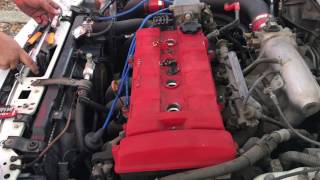
🎬 See how to replace your valve cover gasket and seals.Choosing the Right Aftermarket Spark Plug
For the 1986-1991 Acura Integra, you have several good aftermarket options. The original plugs were made by NGK or Denso, and sticking with these brands is a safe bet for quality and fit.
Brand & Material Tiers
We can group the available spark plugs into tiers based on material and expected performance.
Tier 1: OEM-Quality (NGK & Denso)
These brands are the original equipment manufacturers for many Japanese vehicles and are highly recommended by Integra owners. They offer different materials:
- Copper (e.g., NGK V-Power): These are an excellent, budget-friendly choice. Copper is a great conductor, providing strong performance. Their main drawback is a shorter lifespan; they should be changed every 15,000 to 30,000 miles.
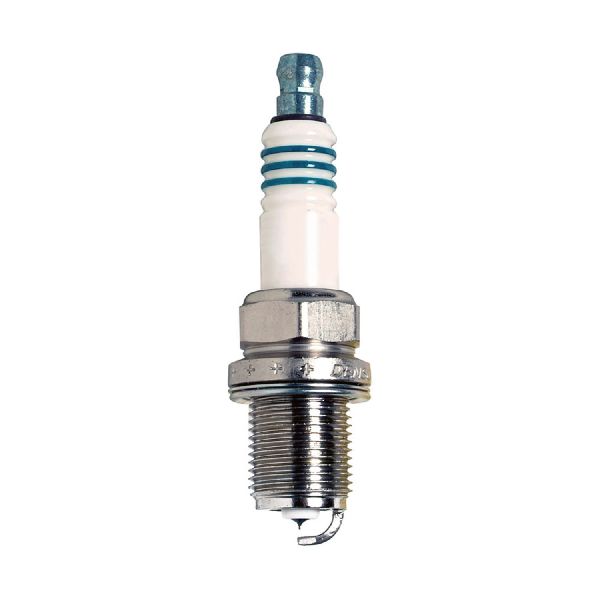
- Iridium & Platinum (e.g., NGK Iridium IX, Denso Iridium): These plugs are more expensive but last much longer, often up to 80,000 miles or more. They provide a consistent, stable spark over their long life. For most daily drivers, the extra cost may not be necessary, but they are a great "fit and forget" option.
Tier 2: Standard Aftermarket (Bosch, Champion, Autolite)
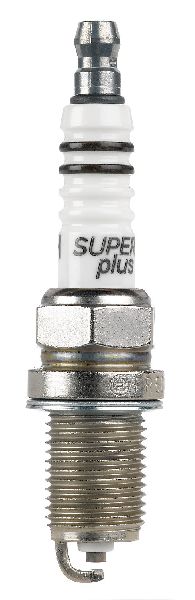
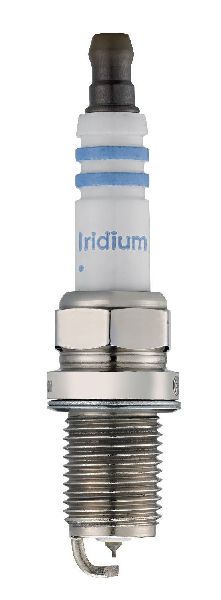
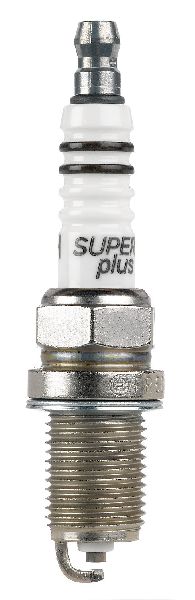
These brands offer reliable, affordable spark plugs that will get the job done. While not as commonly recommended by Integra enthusiasts as NGK or Denso, they are a perfectly acceptable choice for a stock vehicle and can be a good value. They are available in copper, platinum, and iridium varieties.
Always Check the Gap!
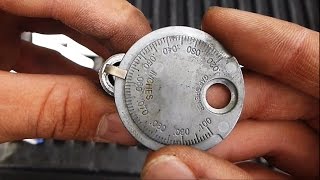
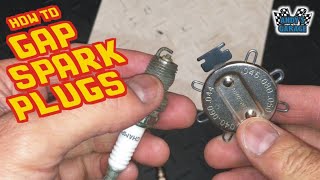
Spark plugs come "pre-gapped," but they can get knocked out of spec during shipping. Always verify the gap with a feeler gauge or gapper tool before installation. An incorrect gap can cause misfires and poor performance. For the 1986-1989 1.6L engine, the gap is typically 0.035"-0.039". For the 1990-1991 1.8L engine, check your vehicle's under-hood sticker, but it is often 1.1mm (0.044").
🎬 Watch this quick demonstration on how to gap spark plugs.Known Issues, Recalls, or TSBs
Searches of the National Highway Traffic Safety Administration (NHTSA) database and technical service bulletin (TSB) libraries did not find any spark plug-specific recalls or service bulletins for the 1986-1991 Acura Integra. Any issues you encounter are likely due to normal wear and tear.
| Type | Typical Price Range |
|---|---|
| Standard Copper (NGK, Denso, etc.) | $2.50 - $6.00 |
| Platinum | $5.00 - $15.00 |
| Iridium | $8.00 - $25.00+ |
Frequently Asked Questions (FAQ)
How often should I change the spark plugs on my Integra?
It depends on the type of plug. Standard copper plugs should be changed every 15,000-30,000 miles. Platinum and Iridium plugs can last much longer, from 60,000 to over 100,000 miles. Given the age of the vehicle, inspecting them every 30,000 miles is a good practice regardless of type.
Should I use anti-seize on the threads?
This is a debated topic. Major manufacturers like NGK advise against it for their modern plugs, which have a special trivalent metal plating that prevents seizing. Applying anti-seize can act as a lubricant, causing you to over-torque the plug and potentially damage the engine's cylinder head. It is best to follow the plug manufacturer's recommendation; if you do use it, reduce the torque by about 20%.
What's the difference between copper, platinum, and iridium plugs?
The main difference is the material used for the center electrode, which affects durability and cost. Copper is the best conductor but wears the fastest. Platinum and iridium are much harder metals, so they wear down very slowly, giving them a much longer service life, but they are more expensive.
Is it hard to change the spark plugs myself?
No, this is a very easy job on the 1986-1991 Integra and is a great project for a beginner. You only need a few basic tools, and the process typically takes less than an hour. Just be sure to work on a cool engine and tighten the plugs to the correct torque specification (usually around 13 lb-ft).
Helpful Videos

Technical Specifications
OEM Part Numbers: 98079-55148 98079-5514G
Socket Size: 5/8" (16mm). Torque Spec: Approx. 13 lb-ft. Spark Gap (1.6L, 86-89): ~0.035"-0.039". Spark Gap (1.8L, 90-91): ~0.044" (1.1mm). Always confirm gap with your vehicle's under-hood sticker.
We Have This Part in Stock


The information in this article is provided for general reference and educational purposes only. Vehicle specifications, procedures, and part compatibility can vary by production date, trim level, and region. Always consult your vehicle's factory service manual and verify part numbers before purchasing or performing repairs. Safety-critical components such as airbags, seat belts, and braking systems should be installed by a qualified professional.
- Acura Integra: