

Pontiac 6000 Crankshaft Position Sensor: A Guide for 1986-1991 Models
Solving stalling and no-start problems in your 1986-1991 Pontiac 6000 starts with this critical sensor.
- A failing crankshaft sensor is a top cause of stalling and no-start issues on the 1986-1991 Pontiac 6000.
- Driving is not recommended, as the engine can stall at any time, creating a serious safety hazard.
- For a part this critical and difficult to access, choosing a premium aftermarket brand like Standard Ignition or NGK is recommended over budget options.
- OEM parts are generally unavailable; aftermarket is your primary option.
Is Your Pontiac 6000 Stalling or Refusing to Start?
A bad crankshaft position sensor is a common reason for a 1986-1991 Pontiac 6000 to develop frustrating issues like stalling when the engine gets hot or cranking without starting. These problems often start intermittently, making them tricky to diagnose, but they almost always get worse. Because this sensor is critical for both spark and fuel, a complete failure will leave you stranded. Recognizing the symptoms early can prevent a tow truck call.
Common Symptoms of a Failing Crankshaft Sensor
- Engine Cranks but Won't Start: This is the most definitive symptom. The starter will turn the engine over, but it never fires up because the computer doesn't know when to create spark 🎬 See how to perform a crank sensor bypass test. or inject fuel.
- Intermittent Stalling: The engine may run fine when cold but suddenly stall after it warms up. 🎬 Watch: How a faulty sensor causes stalling and how to fix it. It might restart after cooling down for a while, only to stall again later.
- Rough Idle and Misfires: Your car may shake, shudder, or run poorly at a stop. An inconsistent sensor signal can cause the timing to be off, leading to engine misfires.
- Check Engine Light: A faulty sensor can trigger the check engine light and store a diagnostic trouble code, such as P0335 on later models.
- Poor Acceleration: The car may feel sluggish or hesitate when you press the gas pedal.
A Note on Engines
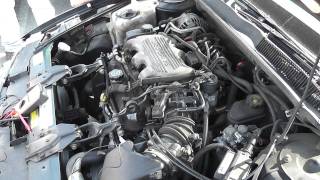
The Pontiac 6000 was available with a 2.5L 4-cylinder, a 2.8L V6, and a 3.1L V6. While the symptoms are similar across all engines, the exact location and appearance of the sensor can vary. This guide applies to all engine options that use a crankshaft position sensor.
Choosing the Right Aftermarket Sensor
For a vehicle of this age, original equipment (OEM) parts from GM are likely discontinued or extremely difficult to find. Aftermarket parts are the most realistic and affordable option. However, quality can vary, so it's wise to choose a reputable brand.
Premium Aftermarket Brands ($25 - $35)
These brands are known for making reliable electronic components and are often the choice of professional mechanics when OEM isn't an option.
- Standard Ignition (SMP): A long-standing, trusted name in aftermarket ignition and engine management parts.
- NGK (NTK): As a major OEM supplier for many car brands, NTK sensors are highly regarded for their quality and reliability.
- Beck Arnley: This brand specializes in sourcing parts that meet or exceed OEM specifications, making them a solid choice.
Standard Aftermarket Brands ($18 - $25)
These brands offer a balance of affordability and function. They can be a good value, but quality can sometimes be inconsistent compared to premium brands.
- Dorman: Dorman is known for providing a wide range of parts, but their quality can be hit-or-miss. It may work fine, but for a critical sensor like this, sticking to a premium brand is often worth the small extra cost.
- Walker Products, Spectra, Global Parts: These brands provide functional replacements that meet the basic requirements to get your car running again.
Pro Tip: Given that replacing this sensor can be difficult due to its location, spending a few extra dollars on a premium brand like Standard Ignition or NGK can save you the headache of having to do the job twice.
Cost to Replace Your Crankshaft Position Sensor
| Part or Service | Estimated Cost |
|---|---|
| New Aftermarket Sensor | $18 - $35 |
| Shop Labor | $100 - $200 |
| Total Estimated Cost (Professional) | $118 - $235 |
Frequently Asked Questions (FAQ)
Where is the crankshaft sensor located on the Pontiac 6000?
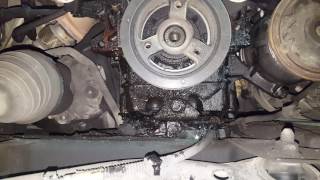
The location can vary depending on the engine. On many GM V6 engines of this era, the sensor is located on the back of the engine block, often low down and sometimes behind the starter motor. On some 4-cylinder models with a Distributorless Ignition System (DIS), it may be mounted near the ignition module. Access is often tight, and you may need to work from underneath the vehicle.
Can I replace the sensor myself?
Yes, this is a DIY-feasible job for someone with moderate mechanical skill. The main challenge is accessing the sensor. It's typically held in by just one or two bolts. If you are comfortable working in tight spaces and safely raising and securing the vehicle, you can save on labor costs.
Is there a difference between a cheap sensor and an expensive one?
Yes. More expensive, premium brands like Standard Ignition or NGK generally use higher-quality internal electronics and materials. This leads to a more reliable signal, better resistance to engine heat, and a longer service life. For a critical part that can leave you stranded, the small price difference is often worth the peace of mind.
My car has a V6. Does that change anything?
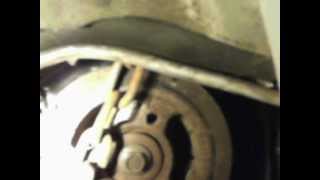
Yes, the 2.8L and 3.1L V6 engines were common in the Pontiac 6000. The sensor's function is the same, but its location on the V6 is typically on the rear of the engine block, 🎬 Watch this walkthrough for the 3.1L V6 sensor replacement. near the flywheel. Access can be particularly challenging on these front-wheel-drive models.
Helpful Videos
Technical Specifications
OEM Part Numbers: 10456043 10456243 10456555 213153
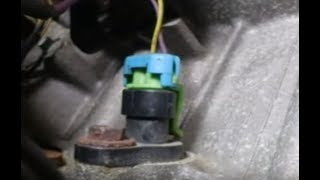
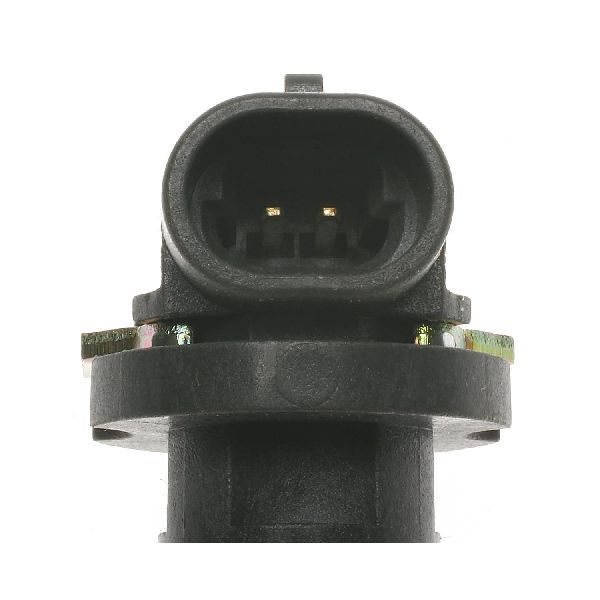
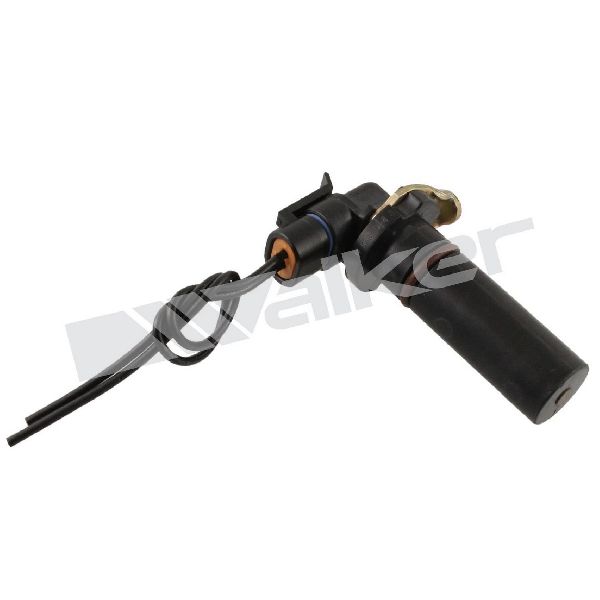
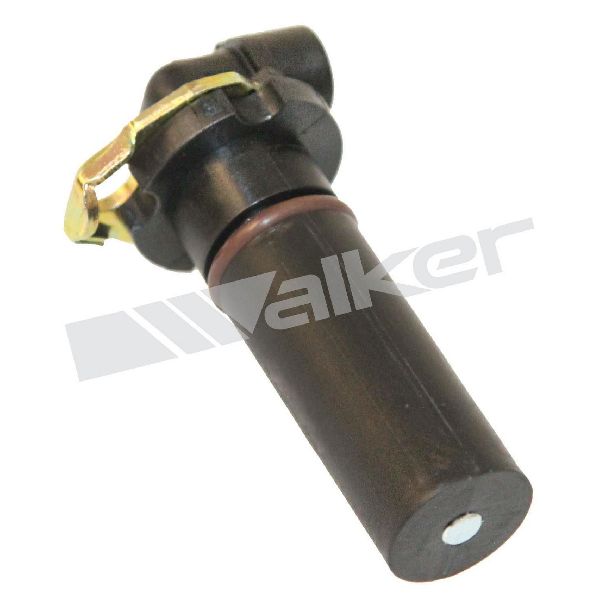
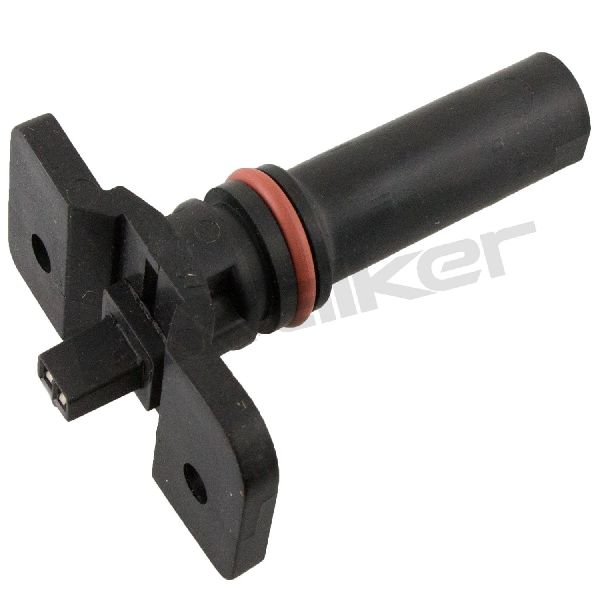
This is a magnetic or Hall effect sensor that generates a signal based on the rotation of the crankshaft reluctor wheel. It typically has a 2-pin oval connector.
We Have This Part in Stock


The information in this article is provided for general reference and educational purposes only. Vehicle specifications, procedures, and part compatibility can vary by production date, trim level, and region. Always consult your vehicle's factory service manual and verify part numbers before purchasing or performing repairs. Safety-critical components such as airbags, seat belts, and braking systems should be installed by a qualified professional.
- Pontiac 6000:
- 🎬 Helpful Videos
- 🛍️ Shop This Part
- Is Your Pontiac 6000 Stalling or Refusing to Start?
- Common Symptoms of a Failing Crankshaft Sensor
- A Note on Engines
- Choosing the Right Aftermarket Sensor
- Premium Aftermarket Brands ($25 - $35)
- Standard Aftermarket Brands ($18 - $25)
- Cost to Replace Your Crankshaft Position Sensor
- Frequently Asked Questions (FAQ)
- 🎟️ Get 5% Off