

Throttle Position Sensor Guide for the 1986-1991 Toyota Supra
Solving hesitation, shifting problems, and high idle on your MK3 Supra starts with this critical sensor.
- A new TPS must be calibrated using a multimeter and feeler gauges; it is not a plug-and-play part.
- Symptoms of a bad TPS include hesitation, high idle, and incorrect automatic transmission shifting.
- Quality aftermarket brands like Beck Arnley are a reliable alternative to OEM if installed and calibrated correctly.
- Before replacing, consider cleaning the throttle body and checking the adjustment of your current sensor.
Is Your Supra Hesitating or Shifting Poorly? Check the TPS.
If your 1986-1991 Supra is experiencing strange engine problems, the Throttle Position Sensor (TPS) is a common culprit. A failing TPS can cause a wide range of issues, from annoying hesitations to serious shifting problems. Because the ECU relies on the TPS for critical information, a bad signal can make the car run poorly in many different ways.
Common Symptoms of a Bad TPS on a MK3 Supra
- Hesitation or Stumbling: The car may hesitate or feel sluggish when you press the gas pedal.
- Poor Acceleration: You might notice a serious lack of power, or the car might feel like it "falls on its face" at higher RPMs, sometimes specifically around 4000 RPM.
- Erratic or High Idle: The engine may idle too high, or the idle speed might fluctuate up and down.
- Automatic Transmission Problems: On automatic Supras, a bad TPS can cause harsh shifts, delayed shifting, or a refusal to shift out of first gear.
- Check Engine Light: A faulty TPS will often trigger a check engine light, with Diagnostic Trouble Code (DTC) 41 being common for this issue on the MK3 Supra.
Adjustment is Not Optional
Simply bolting on a new TPS is not enough. The sensor must be precisely calibrated with a multimeter and feeler gauges. An improperly adjusted new sensor will cause the same problems as a failed old one. This is the most critical step of the replacement process.
Choosing the Right Aftermarket TPS
While a Genuine Toyota OEM sensor is always a safe bet, quality aftermarket parts provide a reliable and cost-effective alternative. For a part like the TPS, the quality of the installation and calibration is just as important as the brand itself. The key is to choose a reputable brand and avoid the cheapest no-name options.
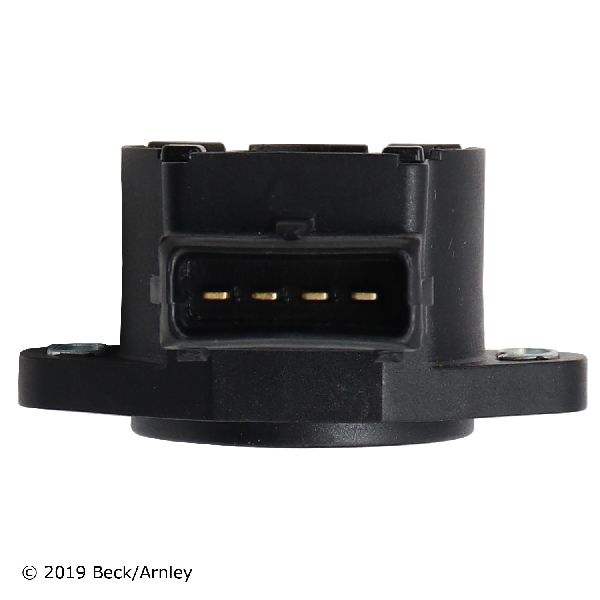
- Tier 1 (Premium Aftermarket): Brands like Beck Arnley are well-regarded in the import community and sometimes even supply OEM parts in their own box. They focus on meeting OE specifications for fit and function, making them a strong choice.
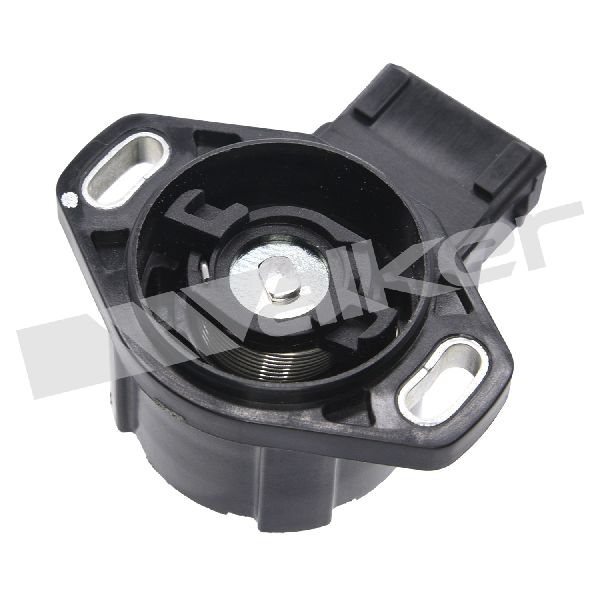
- Tier 2 (Standard Aftermarket): Brands like Standard Ignition (SMP) and Walker Products are established names that offer a balance of quality and value. They are a dependable option for owners looking to solve TPS issues without the higher cost of an OEM part.
Pro Tip: Clean Your Throttle Body
While you have everything apart, it's a great time to clean your throttle body. Over decades, carbon and oil residue can build up, preventing the throttle plate from closing properly. A thorough cleaning will ensure your new TPS can be adjusted correctly and can improve overall idle quality.
Cost of Replacing a Supra Throttle Position Sensor
| Part Type | Estimated Cost |
|---|---|
| New Aftermarket (Beck Arnley, Standard, Walker) | $74 - $105 |
| Shop Labor for Installation & Calibration | $100 - $180 |
| Total Estimated Cost | $174 - $285 |
Frequently Asked Questions (FAQ)
Do I really have to adjust the new TPS?
Yes, absolutely. The TPS is not a plug-and-play part on this car. It must be calibrated using a specific procedure with feeler gauges and a multimeter to check for continuity and resistance at specific throttle openings. Skipping this step will result in poor performance.
Is the adjustment procedure different for Turbo (7M-GTE) and N/A (7M-GE) engines?
Yes, the procedure is slightly different. The main difference is the thickness of the feeler gauges used to check the clearances when setting the sensor. Always refer to the Toyota factory service manual or a reliable guide for your specific engine to ensure you are using the correct specifications.
Can I just adjust my old TPS instead of replacing it?
Sometimes, yes. If the sensor's internal components are not worn out, a simple recalibration might solve your problems. However, if the sensor has dead spots or fails resistance tests, it must be replaced. Given the age of these cars, if you are already experiencing issues, replacing the sensor is often the most reliable long-term solution.
Were there any recalls for the MK3 Supra TPS?
No, there have been no recalls or major Technical Service Bulletins (TSBs) issued for the throttle position sensor on the 1986-1991 Toyota Supra. Any issues are related to normal wear and tear over time.
Technical Specifications
OEM Part Numbers: 89452-14050 89452-20050 89452-28030
4-pin linear variable resistor sensor. Adjustment requires specific feeler gauge measurements for both 7M-GE and 7M-GTE engines.
We Have This Part in Stock


The information in this article is provided for general reference and educational purposes only. Vehicle specifications, procedures, and part compatibility can vary by production date, trim level, and region. Always consult your vehicle's factory service manual and verify part numbers before purchasing or performing repairs. Safety-critical components such as airbags, seat belts, and braking systems should be installed by a qualified professional.
- Toyota Supra:
- 🛍️ Shop This Part
- Is Your Supra Hesitating or Shifting Poorly? Check the TPS.
- Common Symptoms of a Bad TPS on a MK3 Supra
- Adjustment is Not Optional
- Choosing the Right Aftermarket TPS
- Pro Tip: Clean Your Throttle Body
- Cost of Replacing a Supra Throttle Position Sensor
- Frequently Asked Questions (FAQ)
- 🎟️ Get 5% Off