

Engine Crankshaft Position Sensor Guide for the 1986-1992 Buick LeSabre
Solve stalling and no-start problems by understanding this critical sensor in your LeSabre's 3.8L V6 engine.
- A classic symptom is the engine stalling only when hot and restarting after it cools down.
- This part often fails without triggering a Check Engine Light on this pre-OBD-II vehicle.
- Due to the difficult replacement, use a quality brand like ACDelco, Delphi, or Standard Motor Products.
- A special tool (harmonic balancer puller) is required for this job.
Is Your Buick LeSabre Stalling When It Gets Hot?
One of the most common and frustrating problems with the 1986-1992 Buick LeSabre is when the engine suddenly stalls after it has warmed up. It will crank but refuse to start until it has cooled down for 15-20 minutes. This issue, often called 'thermal failure,' is a classic sign that your crankshaft position sensor is failing. Unlike modern cars, a bad crank sensor on this generation LeSabre will usually not turn on the Check Engine Light, making it difficult to diagnose.
Symptoms of a Failing Crankshaft Position Sensor
- Engine stalls when warm: The car runs fine when cold, but shuts off after 15-30 minutes of driving and won't restart until it cools.
- Crank, but no start: The starter will turn the engine over, but it never fires up, even when cold.
- Erratic tachometer: You may see the RPM needle on your dashboard jump around wildly or drop to zero while driving.
- Engine misfires or hesitates: The car may run roughly or struggle to accelerate if the sensor is sending intermittent signals.
A Note on Diagnosis
Because a failing crank sensor on these cars often doesn't store a trouble code, it can be misdiagnosed. Other parts like the Ignition Control Module (ICM) can cause similar crank-no-start issues. However, the symptom of stalling only when hot is a very strong pointer towards the crankshaft position sensor.
Choosing the Right Aftermarket Sensor
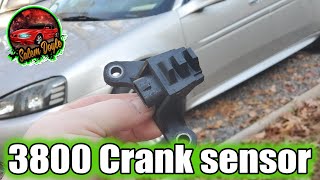
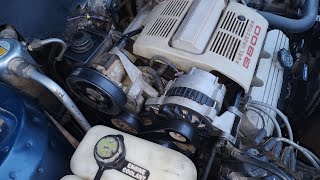
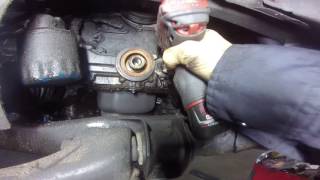
Replacing the crank sensor on a 3.8L V6 is a labor-intensive job that requires a special tool. 🎬 Watch this step-by-step guide on replacing the crank sensor. Because of the difficulty, you do not want to have to do this job twice. Choosing a quality part is critical.
OEM/Premium Brands (Recommended):
- ACDelco / GM Genuine Parts: This is the original equipment manufacturer. It is the benchmark for fit and performance.
- Delphi: Delphi was often the company that made the original part for GM. It is widely considered a top-tier choice with OEM quality.
- Standard Motor Products (SMP): SMP (which includes the Standard Ignition and True Tech brands) is a respected aftermarket manufacturer known for producing reliable sensors that work correctly.
Economy Brands (Use with Caution):
While brands like Dorman, Global Parts, and other lower-cost options are available, they are a gamble for this specific part. Forum discussions among mechanics and owners frequently warn against using the cheapest sensors. These parts have a higher risk of being dead-on-arrival or failing prematurely, forcing you to repeat the entire repair. Given the labor involved, saving a few dollars on the part itself is not worth the risk.
Pro Tip: Inspect the Harmonic Balancer
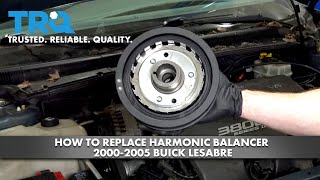
The sensor works by reading rings on the back of the harmonic balancer. When you remove the balancer to access the sensor, inspect it carefully. Make sure the metal rings are not bent or damaged and that the rubber separating the inner and outer parts of the balancer is not cracked or deteriorating. A wobbly balancer can damage the new sensor.
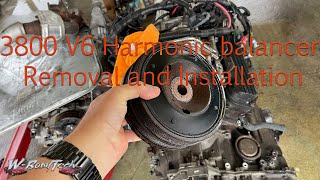
🎬 See how to diagnose and replace a faulty harmonic balancer.| Part Type | Estimated Price Range |
|---|---|
| New Aftermarket | $16.43 - $70.37 |
| New OEM (ACDelco) | $45 - $85 |
| Shop Labor | $150 - $250 |
Frequently Asked Questions (FAQ)
Is this a difficult repair to do myself?
Yes, this is a moderately difficult job for a DIY mechanic. You must lift the vehicle, remove the passenger wheel and splash shield, and use a special harmonic balancer puller to get the main pulley off. Using the wrong type of puller will destroy the pulley. 🎬 Watch the proper way to remove and install the balancer. If you are not comfortable with this, it is best left to a professional.
Will a bad crank sensor always cause a no-start?
Not always. Initially, it might just cause an erratic tachometer or stalling when the engine gets hot. Eventually, as the sensor degrades further, it will lead to a complete crank-no-start condition where the car will leave you stranded.
Are there any recalls for this part?
No, searches of the National Highway Traffic Safety Administration (NHTSA) database show no recalls specifically for the crankshaft position sensor on the 1986-1992 Buick LeSabre.
Should I replace anything else at the same time?
Yes. Since you have the harmonic balancer removed, it is the perfect time to inspect the front crankshaft seal (also called the front main seal) for oil leaks. Oil can leak onto the sensor's electrical connector and cause problems. Replacing this inexpensive seal while you're there can prevent future issues.
Helpful Videos
Technical Specifications
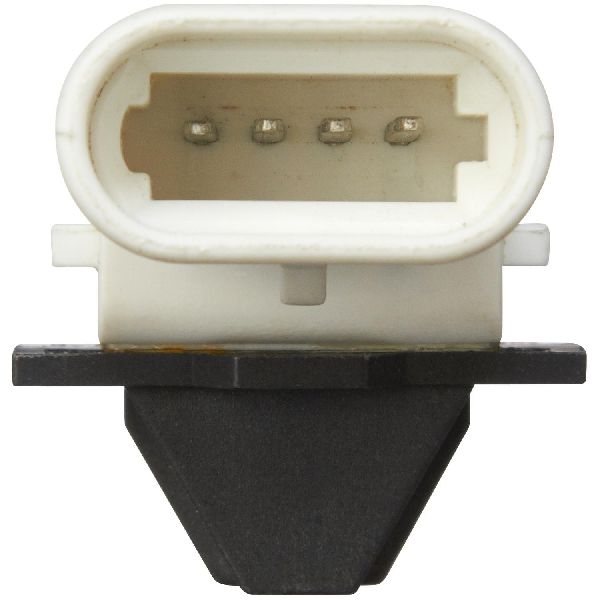
OEM Part Numbers: 213-4573
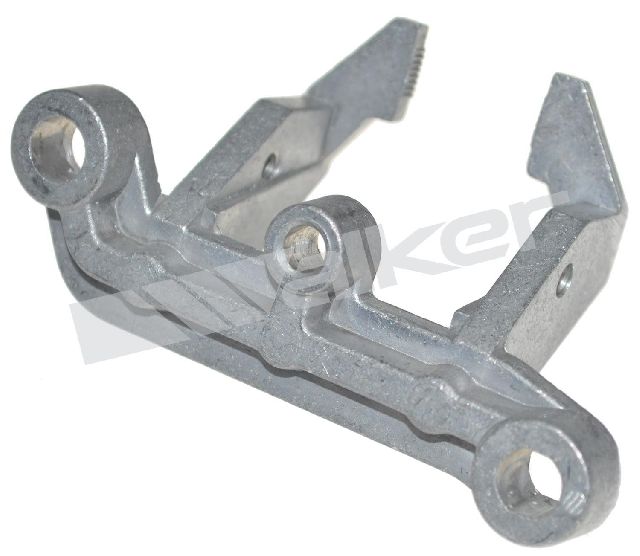
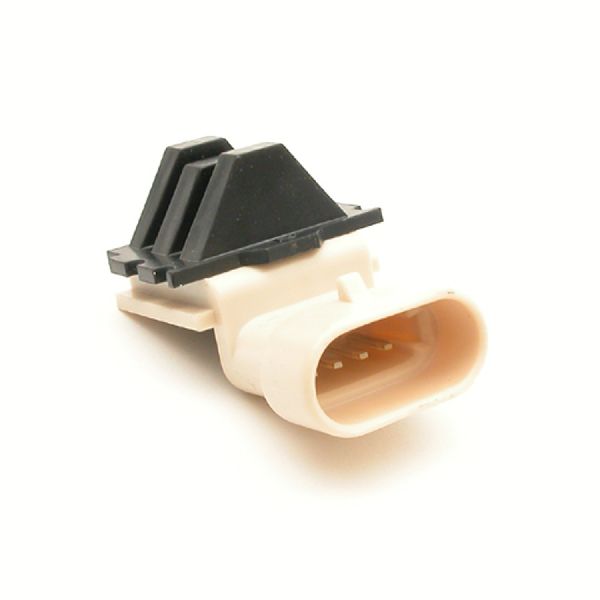
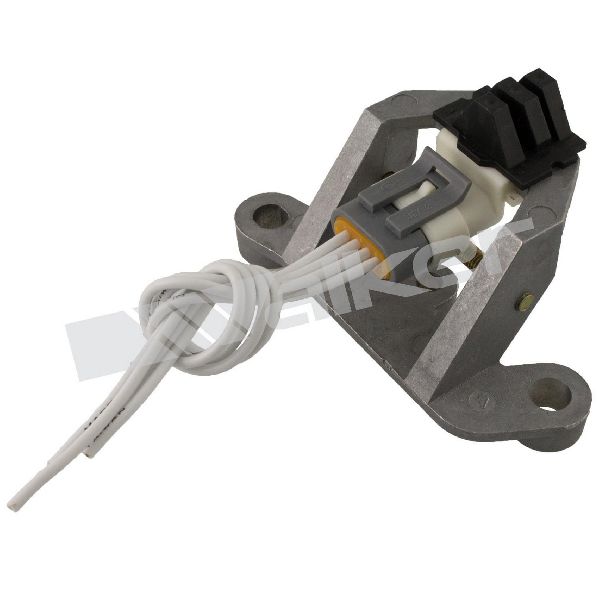
This sensor is a magnetic hall-effect type sensor that reads a dual-reluctor ring (3x and 18x) on the back of the harmonic balancer.
We Have This Part in Stock


The information in this article is provided for general reference and educational purposes only. Vehicle specifications, procedures, and part compatibility can vary by production date, trim level, and region. Always consult your vehicle's factory service manual and verify part numbers before purchasing or performing repairs. Safety-critical components such as airbags, seat belts, and braking systems should be installed by a qualified professional.
- Buick LeSabre: