

Engine Oil Pan Replacement Guide for the 1986-1992 Chevrolet P30
Leaking oil? Here's how to choose the right replacement oil pan for your P30 chassis and its specific engine.
- You must confirm your P30's engine (e.g., 350 small block vs. 454 big block) before ordering a new oil pan.
- Use a high-quality, one-piece rubber gasket and apply RTV sealant to the four corners for a leak-free seal.
- Thoroughly clean the engine block's mating surface before installing the new pan and gasket.
- Tighten the pan bolts to the correct torque specification (usually in inch-pounds) in a crisscross pattern to prevent warping.
Is Your P30's Oil Pan Failing?
For a workhorse chassis like the Chevrolet P30, which serves as the foundation for everything from delivery vans to RVs, the engine oil pan is exposed to harsh conditions. After 30+ years, failure is common. The most frequent issues are rust, leaks from a hardened gasket, or a stripped drain plug from decades of oil changes. Look for these signs:
- Oil Drips: Dark spots on your driveway or garage floor are the most obvious symptom.
- Visible Rust or Damage: Since the pan is at the bottom of the engine, it's prone to moisture and road debris. Flaking rust can lead to pinhole leaks.
- Leaking Drain Plug: A slow drip from the drain plug often means the threads are stripped or the washer is bad.
- Low Oil Light: A persistent low oil level, even after topping off, points to a leak somewhere.
Confirm Your Engine Before You Buy
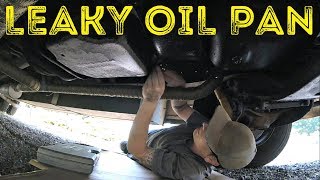
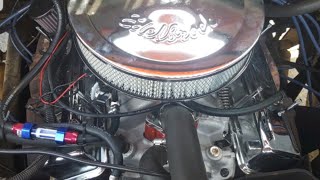
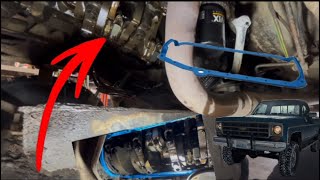
The single most important step is to identify your P30's engine. The oil pan for a 350 small-block V8 🎬 See how to replace the pan and gasket on a 350 V8. is different from one for a 454 big-block V8. 🎬 Watch this step-by-step oil pan gasket replacement on a P30 RV. They have different shapes, bolt patterns, and oil capacities. Also, check your dipstick location (driver's or passenger's side), as some pans are specific to one side. Ordering the wrong pan is a common and frustrating mistake.
Choosing the Right Aftermarket Oil Pan
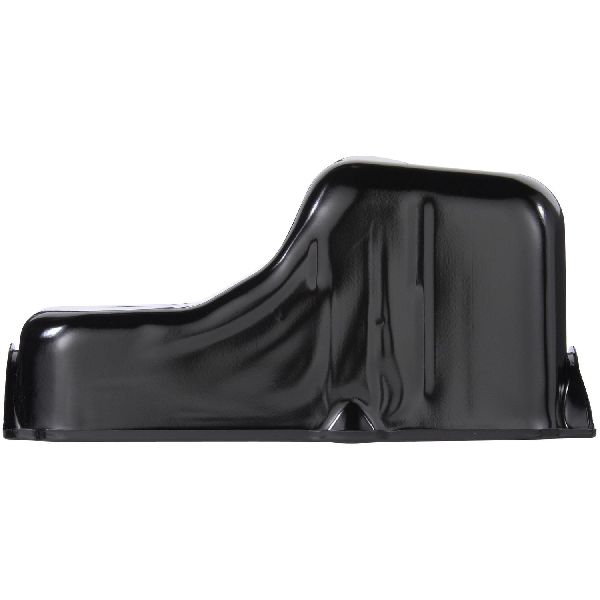
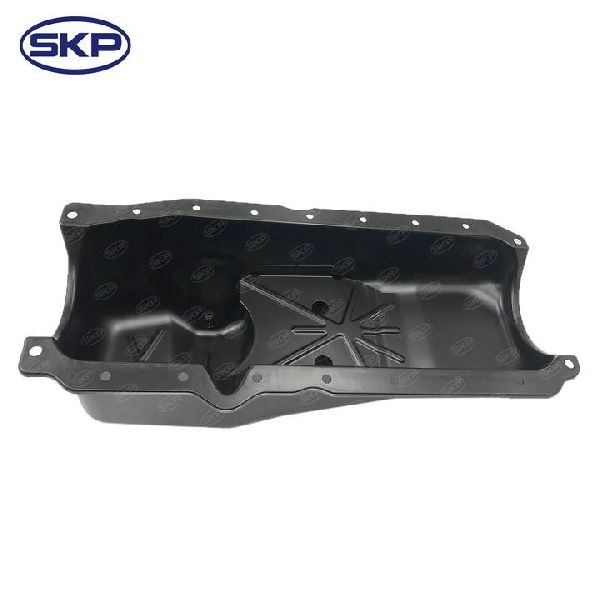
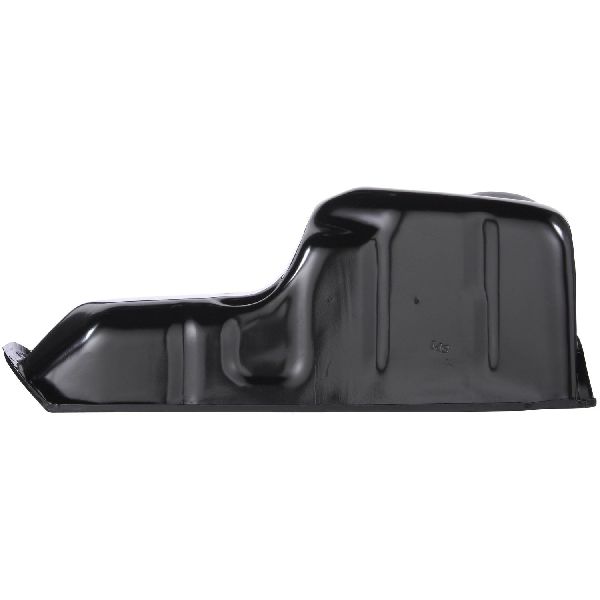
New original equipment (OEM) pans for a vehicle this age are typically unavailable. The aftermarket offers a wide range of replacements. Quality can vary, so it's important to choose a reputable brand to ensure a good fit and long service life.
Brand Tiers for Your Consideration
- Standard & Reputable Brands (Dorman, Spectra, ATP): These brands are well-known in the aftermarket and generally receive positive feedback in automotive forums. Dorman and Spectra are often compared for quality, with some users suggesting they are very similar. ATP is sometimes noted for making pans from thicker steel than the original, offering better durability and corrosion resistance. These brands are a safe bet for a quality fit and finish.
- Value & Economy Brands (Pioneer Cable, Skyward): Brands like Pioneer and Skyward fall into the value category. While Pioneer is known for automotive cables and related hardware, they also offer oil pan bolts and may be associated with some pan manufacturers. There is very little specific information available for Skyward oil pans. These brands can be a budget-friendly choice, but inspect them carefully upon arrival for any defects in the stamping or finish.
Don't Forget the Gasket
A new pan needs a new gasket. For these Chevy engines, you may find one-piece or four-piece gasket sets. A quality one-piece rubber gasket (like those from Fel-Pro) with built-in compression limiters is often easier to install and less prone to leaks than older multi-piece cork gaskets. Always apply a small dab of RTV sealant at the four corners where the curved front and rear seals meet the straight side rails.
Cost of Replacing a 1986-1992 Chevrolet P30 Oil Pan
| Part/Service | Estimated Cost |
|---|---|
| New Aftermarket Oil Pan | $65 - $292 |
| Oil Pan Gasket Set | $20 - $70 |
| Shop Labor | $250 - $500 |
| Total (Professional Installation) | $335 - $862 |
Frequently Asked Questions
Can I repair my old oil pan instead of replacing it?
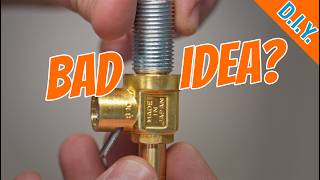
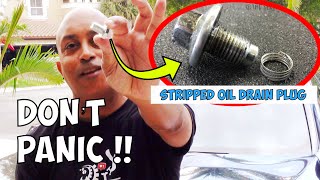
For a stripped drain plug, you can sometimes use an oversized, self-tapping plug or a thread repair kit as a temporary fix. 🎬 Watch the best way to fix a stripped oil drain plug. For rust pinholes, some people attempt a repair using JB Weld or a similar epoxy after thoroughly cleaning and draining the pan. However, these are not permanent solutions. Given the age of the vehicle and the affordable cost of a new pan, replacement is the most reliable option.
Is replacing the oil pan a difficult job?
It is a moderately difficult job that requires lifting the vehicle safely on jack stands. You will need to drain the oil, and you may need to remove the starter motor or parts of the exhaust crossover pipe to gain access to all the pan bolts. Cleaning the old gasket material off the engine block is the most critical and time-consuming part of the job to ensure the new gasket seals properly.
What tools are required for an oil pan replacement?
You will need a good socket and wrench set, a torque wrench (for inch-pounds), a gasket scraper, brake cleaner, RTV sealant, an oil drain pan, and tools to remove any components blocking access. A small, low-range torque wrench is important, as the pan bolts require very little torque (around 12 ft-lbs or 144 in-lbs), and over-tightening can warp the pan and cause leaks.
Why is my new oil pan leaking?
The most common reasons for a new pan leaking are improper surface preparation, an incorrect gasket, or uneven bolt torque. The engine block's sealing surface must be perfectly clean. You must also use the correct gasket for your specific pan (thick vs. thin front seal) and apply sealant at the corners. Finally, tightening the bolts in the wrong sequence or over-tightening them can cause a leak.
Helpful Videos
Technical Specifications
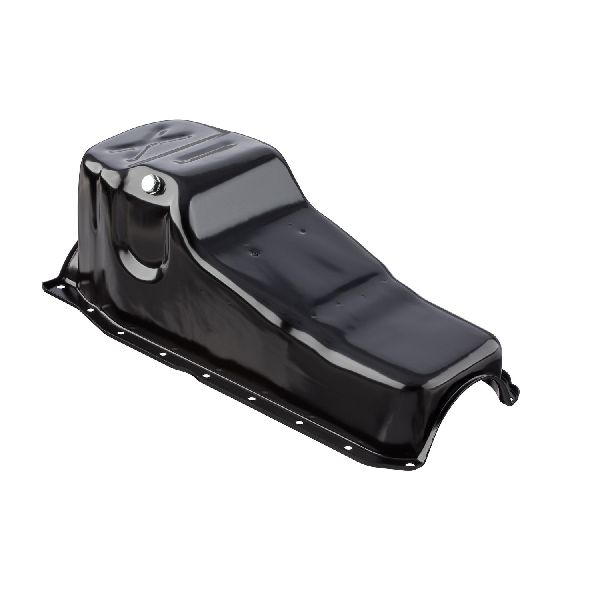
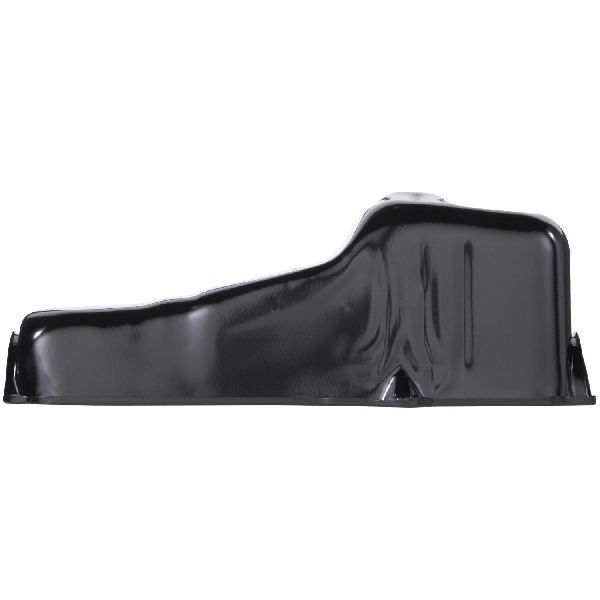
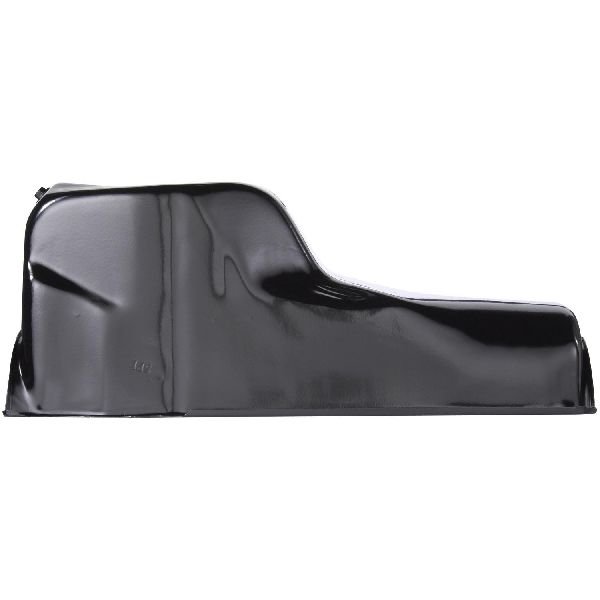
Material: Stamped Steel. Capacity: Varies by engine (e.g., 4-quart for some 350 V8 models). Gasket Type: Compatible with one-piece or four-piece gasket sets depending on the year and engine. Finish: Typically painted or powder-coated black.
We Have This Part in Stock

The information in this article is provided for general reference and educational purposes only. Vehicle specifications, procedures, and part compatibility can vary by production date, trim level, and region. Always consult your vehicle's factory service manual and verify part numbers before purchasing or performing repairs. Safety-critical components such as airbags, seat belts, and braking systems should be installed by a qualified professional.
- Chevrolet P30: