

Ford E-350 Econoline Electric Fuel Pump: A Complete Guide (1986-1992)
Keep your workhorse running strong by understanding its complex fuel delivery system and choosing the right replacement pump.
- Many E-350s have a complex dual-tank system with up to three fuel pumps and a failure-prone selector valve (DFR).
- Symptoms like stalling or power loss can be the pump, but on dual-tank models, always investigate the Dual Function Reservoir (DFR) first.
- Due to the high labor cost of dropping the fuel tank, investing in a high-quality pump brand like Bosch is recommended over budget options.
- Always replace the fuel filter and pump strainer with the new pump to ensure longevity and prevent premature failure.
Is Your E-350 Fuel Pump Failing?
A bad fuel pump in your Econoline won't leave you guessing for long. The symptoms are usually obvious and will get worse over time. Because replacing the pump is a big job, it's important to make sure the pump is really the problem.
Common Symptoms of a Bad Fuel Pump:
- Engine Stalling: The engine may stall unexpectedly, especially when it's hot or under load, like going up a hill. It might feel like it's running out of gas.
- Loss of Power: You may notice the van feels sluggish and doesn't accelerate properly. This is very noticeable on RV models when climbing grades.
- Hard Starting or No Start: The engine may take a long time to start (long crank) because the system isn't getting fuel pressure right away. A completely dead pump will result in a crank-no-start condition.
- Whining Noise: You might hear a loud whining or humming sound coming from the fuel tank area. This is the sound of the pump motor struggling.
- Rough Idle: An inconsistent fuel supply can cause the engine to run rough when idling.
A Word on the Dual-Tank System
If your E-350 has two fuel tanks, you have a more complex system. A common failure point is the Dual Function Reservoir (DFR), also known as the selector valve. A bad DFR can cause strange symptoms, like the engine only running on one tank, or fuel being pumped from the rear tank into the front tank, causing it to overflow. These issues can seem like a bad fuel pump but are actually caused by the selector valve. Always diagnose the DFR before 🎬 Watch: Troubleshooting common Ford dual tank and selector valve issues deciding to replace a fuel pump.
Choosing the Right Aftermarket Fuel Pump
Replacing the fuel pump on an E-350 requires dropping the fuel tank, which is a labor-intensive job. Because of the high labor cost, it's not wise to save a few dollars on a cheap, low-quality pump that might fail again in a year. OEM Ford (Motorcraft) parts are an option, but quality aftermarket brands offer a better value.
Brand Quality Tiers
- Premium Brands (OEM Quality): Bosch and Denso are often original equipment suppliers for Ford and other automakers. They are known for their reliability, quiet operation, and precise fit. Choosing one of these brands is the safest bet for a long-lasting repair.
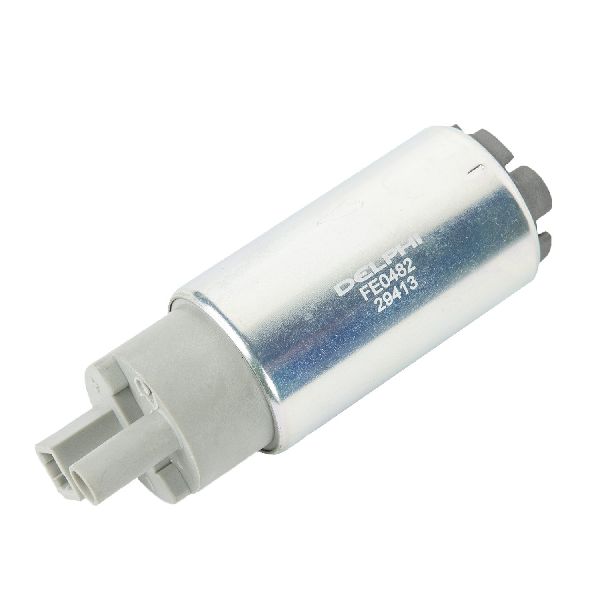
- Mid-Range Brands (Good Value): Delphi and Carter are well-known aftermarket brands that offer a good balance of quality and price. While some users report success, others have noted occasional quality issues compared to premium brands. Carter has a long history in fuel systems.
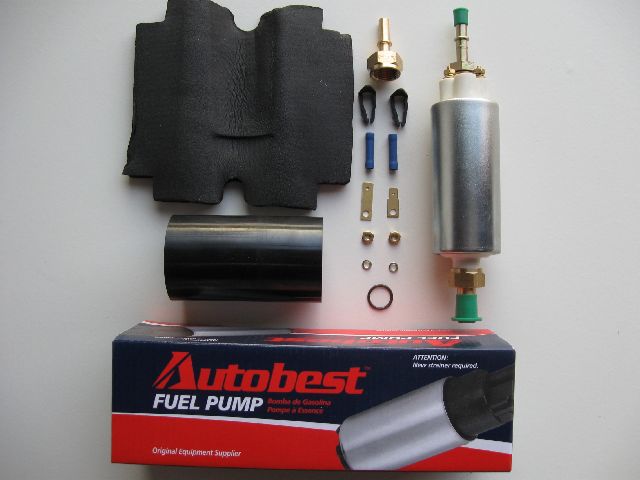
- Economy Brands: Brands like GMB, US Motor Works, and AutoBest are budget-friendly options. While they are less expensive, their long-term durability can be a gamble. Given the difficulty of the replacement job, these are generally not recommended unless budget is the absolute top priority.
Pro Tip: Always replace the fuel filter and the pump's strainer (sock) when you install a new fuel pump. Debris from the old pump or tank can quickly destroy a new one. Cleaning the inside of the fuel tank during the job is also highly recommended.
🎬 See this guide on dropping the tank and cleaning it properlyCost to Replace a 1986-1992 E-350 Fuel Pump
Costs can vary based on whether you have a single or dual tank system and which pump needs replacement (in-tank vs. frame-mounted). The frame-mounted pump is much easier and cheaper to replace.
| Part / Service | Estimated Cost |
|---|---|
| New Aftermarket In-Tank Pump | $39 - $150 |
| New OEM (Motorcraft) In-Tank Pump | $200 - $350+ |
| Shop Labor (In-Tank Pump) | $300 - $550 |
| Total Professional Replacement | $340 - $700+ |
Frequently Asked Questions
How do I know if I have one or three fuel pumps?
If your E-350 is a fuel-injected model (most common from 1988-1992) and has dual fuel tanks, it has three pumps: a low-pressure pump in each tank and a high-pressure pump on the frame rail. If it has a single tank, it will have one in-tank pump and one frame-mounted pump. Earlier carbureted models may have a simpler setup with only in-tank pumps.
Can I test my fuel pump before replacing it?
Yes. First, turn the key to the 'On' position (without starting) and listen for a 2-second hum from the fuel tank area. No hum could mean no power. You can check the inertia switch (usually in the passenger footwell) to see if it has been tripped. You can also check the fuel pump relay and fuse. For a more definitive test, you can connect a fuel pressure gauge to the Schrader valve on the engine's fuel rail. For EFI models, you should see 32-35 PSI at idle and 39-45 PSI when you disconnect the vacuum line from the fuel pressure regulator.
Should I replace the whole fuel pump assembly or just the pump motor?
It is highly recommended to replace the entire fuel pump hanger assembly. The assembly includes the pump, sending unit (for the fuel gauge), strainer, and sometimes internal hoses. The plastic and rubber components on the original assembly can become brittle and fail, and the fuel level sending unit is also a common failure point. Replacing the whole assembly prevents you from having to do the job again if another part of the old unit fails.
Can I replace the fuel pump myself?
This is a challenging job for a DIY mechanic. It requires safely lifting the vehicle, draining gasoline, and dropping a heavy, awkward fuel tank. Special tools may be needed to disconnect the fuel lines. While some owners cut an access panel in the floor, this is not recommended. If you don't have experience with major fuel system work, it's best to leave this job to a professional.
🎬 Watch: A complete walkthrough of the E-350 fuel pump replacementHelpful Videos

Technical Specifications
OEM Part Numbers: E5TZ9H307C E7TZ9H307A E9TZ9H307A F0TZ9H307A
Fuel System Type: Electronic Fuel Injection (EFI) or Carbureted. System Configuration: Single or Dual Tank. Pump Types: In-Tank Low-Pressure, Frame-Mounted High-Pressure. EFI Fuel Pressure: ~32-35 PSI (idle), ~39-45 PSI (vacuum disconnected).
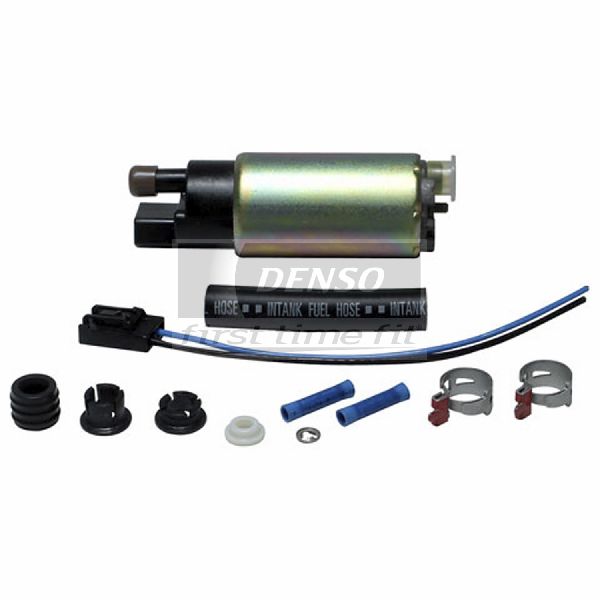
We Have This Part in Stock

The information in this article is provided for general reference and educational purposes only. Vehicle specifications, procedures, and part compatibility can vary by production date, trim level, and region. Always consult your vehicle's factory service manual and verify part numbers before purchasing or performing repairs. Safety-critical components such as airbags, seat belts, and braking systems should be installed by a qualified professional.
- Ford E-350 Econoline: