

Ford Taurus Throttle Position Sensor Guide for 1986-1992 Models
Fix poor acceleration, stalling, and erratic automatic shifting in your first-generation Ford Taurus by understanding and replacing the Throttle Position Sensor.
- Erratic shifting is a primary symptom of TPS failure on the 1986-1992 Taurus, not just engine performance issues.
- A quality aftermarket sensor from a brand like Delphi or Standard Ignition is a reliable and cost-effective choice for this vehicle.
- Replacement is a simple DIY task, but always check the electrical connector for corrosion first, as it can mimic sensor failure.
- A Check Engine Light will show OBD-I codes (like 23 or 53) which you can read by counting the light's flashes.
Is Your Taurus Showing Signs of a Bad Throttle Position Sensor?
When a TPS starts to fail on the first-generation Taurus, it can cause a range of frustrating problems. Because this sensor affects both fuel and shifting, the symptoms can sometimes be confusing. One of the most common complaints from owners is erratic and harsh shifting from the automatic transmission. You might also experience engine problems like hesitation when you accelerate, a high or unstable idle, or even stalling.
Check Engine Light and OBD-I Codes
A failing TPS will often trigger the Check Engine Light. Your 1986-1992 Taurus uses an older diagnostic system called OBD-I. This means you'll need to retrieve two-digit codes by counting the flashes of the light. Common codes for a bad TPS include Code 23 (TPS out of range) and Code 53 (TPS signal too high).
Choosing the Right Aftermarket TPS
For a vehicle of this age, finding a new OEM Motorcraft TPS can be difficult. The aftermarket is your most reliable source for a new part. Quality varies between brands, so it's important to choose wisely. A cheap, poorly made sensor can fail quickly or provide an incorrect signal right out of the box.
- Premium Brands (Delphi, Standard Ignition): Brands like Delphi and Standard Motor Products (SMP) have a strong reputation for producing reliable sensors that meet or exceed original specifications. They are often trusted by professional mechanics and are a solid choice for reliability and peace of mind.
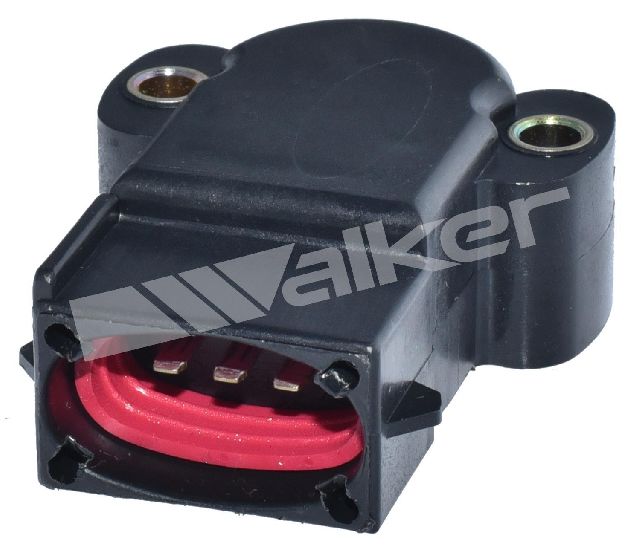
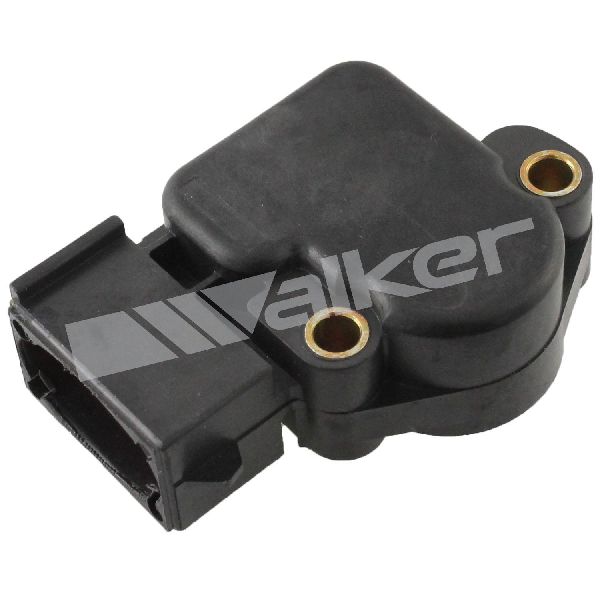
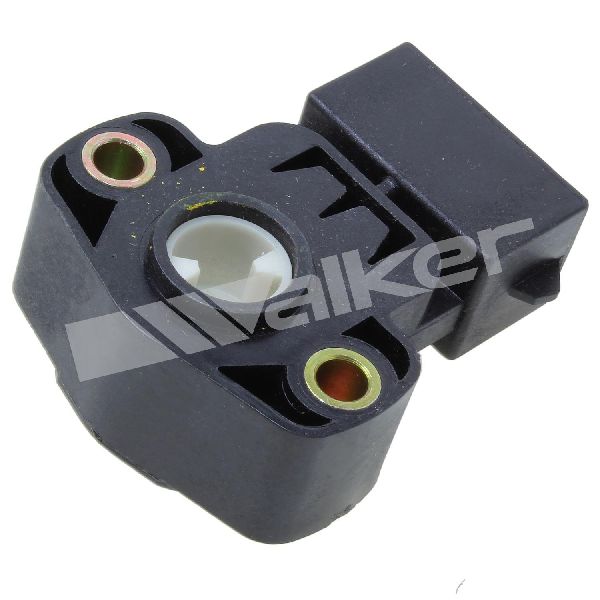
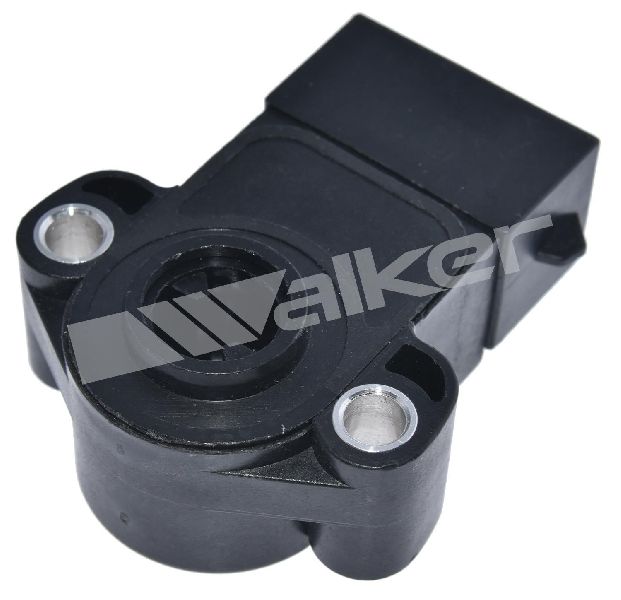
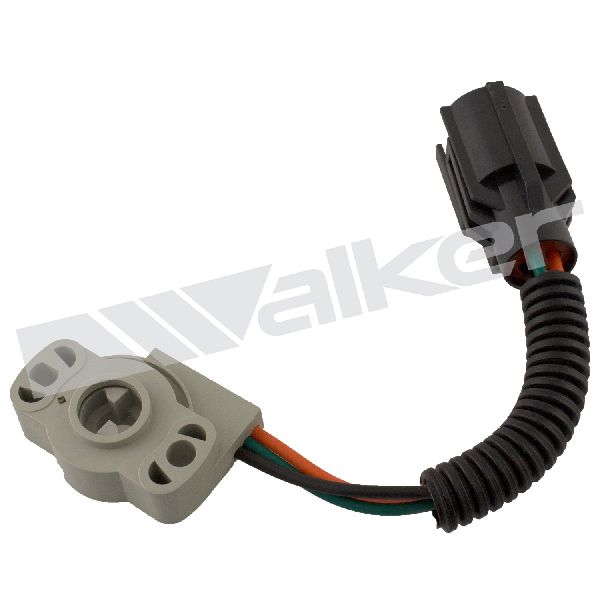
- Standard/Value Brands (Walker Products): Brands like Walker offer a more budget-friendly alternative. While they can be a good value, they are sometimes perceived as having less consistent quality control compared to premium brands.
- Store Brands (True Tech, Global Parts): These are often private-label brands. Quality can be a mixed bag, and it's harder to find independent reviews. They may be a viable option if your budget is tight, but a premium brand is generally recommended for a critical sensor like the TPS.
Pro Tip: Check the Connector First!
Before you replace the sensor, always inspect the electrical connector and wiring. Over 30+ years, corrosion can build up on the terminals, causing the exact same symptoms as a failed sensor. Cleaning the connector with electrical contact cleaner might solve your problem for free.
Throttle Position Sensor Replacement Cost (1986-1992 Taurus)
Replacing the TPS is one of the more affordable repairs you can make. The part itself is not expensive, and the labor is minimal.
| Part/Service | Estimated Cost |
|---|---|
| New Aftermarket TPS | $35 - $75 |
| Shop Labor | $60 - $120 |
| Total Estimated Cost (Professional) | $95 - $195 |
| Total Estimated Cost (DIY) | $35 - $75 (Part Only) |
Frequently Asked Questions
Is replacing the TPS a good DIY job?
Yes, this is a great job for a beginner. The sensor is located on the side of the throttle body, held on by two screws, with a single electrical plug. The only common issue is that the screws can be tight or seized after many years. Using the correct size screwdriver and applying firm pressure is key to avoiding stripped screw heads.
Do I need to adjust or calibrate the new TPS?
For most direct-fit aftermarket sensors on a stock Taurus, no adjustment is needed. However, some installation guides for older Fords mention checking the voltage with a multimeter to ensure it's between 0.8 and 1.0 volts at idle. This is rarely necessary unless you are using a universal part or have a modified engine.
Can I just clean the Throttle Position Sensor?
No. The TPS is a sealed electronic component. The part that fails is the internal electrical contact, which cannot be cleaned or serviced. While you should clean the throttle body itself, the sensor must be replaced when it fails.
What's the difference between a TPS and an Idle Air Control (IAC) valve?
They work together but do different jobs. The TPS reads the throttle plate angle based on your foot on the gas pedal. The IAC valve is a small motor controlled by the computer that creates an air bypass around the closed throttle plate to control the engine's idle speed. While a bad IAC can cause idle problems, it typically does not cause the harsh shifting or acceleration hesitation associated with a bad TPS.
Technical Specifications
OEM Part Numbers: E7AZ-9B989-A E7SF-9B989-AA F2DZ-9B989-B
3-pin, rotary potentiometer style sensor, typically with clockwise rotation.
We Have This Part in Stock


The information in this article is provided for general reference and educational purposes only. Vehicle specifications, procedures, and part compatibility can vary by production date, trim level, and region. Always consult your vehicle's factory service manual and verify part numbers before purchasing or performing repairs. Safety-critical components such as airbags, seat belts, and braking systems should be installed by a qualified professional.
- Ford Taurus: