

Jeep Comanche 1986-1992 Catalytic Converter Replacement Guide
Everything you need to know before replacing the catalytic converter on your 1986-1992 Jeep Comanche.
- A clogged converter is the most common failure, causing significant power loss.
- Your 1986-1992 Comanche does not need an expensive CARB-compliant converter unless you live in CA, CO, NY, or ME.
- Brands like Walker and MagnaFlow offer reliable direct-fit options that are great for DIY replacement.
- Always fix the root cause of the failure (like an engine misfire) before installing a new converter.
Is Your Comanche's Catalytic Converter Failing?
The catalytic converter on a 1986-1992 Jeep Comanche is a simple but tough part. However, after decades of use, it can fail. The most common failures are clogging from engine issues or the internal ceramic honeycomb breaking apart from age and vibration. Unlike modern vehicles, your Renix-era Jeep (1987-1990) or early OBD-I model doesn't have a complex system to monitor the converter. You won't get a specific "P0420" check engine code. Instead, you need to watch for physical symptoms.
Common Symptoms of a Bad Converter:
- Loss of Power: This is the biggest sign. If your truck feels sluggish, struggles to get up to speed, or just feels "choked," the converter may be clogged with debris.
- Rattling Noise: If you hear a rattling sound like rocks in a can coming from under the truck, the converter's internal structure has likely broken apart. You can often confirm this by tapping on the converter (when it's cool) with your hand.
- Rotten Egg Smell: A strong sulfur smell from the exhaust indicates the converter isn't processing gases correctly.
- Excessive Heat: A clogged converter traps heat, which you might feel through the floor. In extreme cases, the converter itself can glow red.
Fix the Root Cause First!
Catalytic converters rarely fail on their own. They are usually destroyed by another problem. Common causes include engine misfires, burning oil or coolant, or a bad oxygen sensor feeding the engine the wrong fuel mixture. If you don't fix the original problem, your new converter will fail quickly.
Choosing the Right Aftermarket Converter
Since new OEM Mopar parts for a vehicle this old are virtually nonexistent, the aftermarket is your only option. The good news is that many reputable brands make converters for the Comanche. Your truck uses a simple, single-converter setup that is not monitored by a downstream oxygen sensor, making replacement straightforward. The main choice is between a direct-fit and a universal converter.
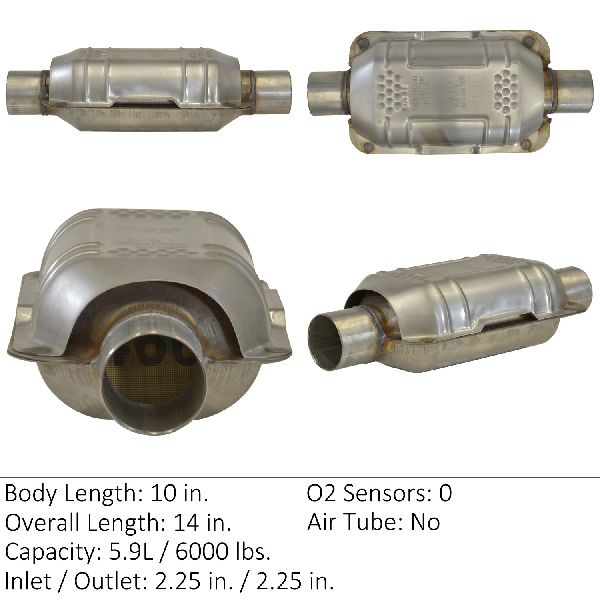
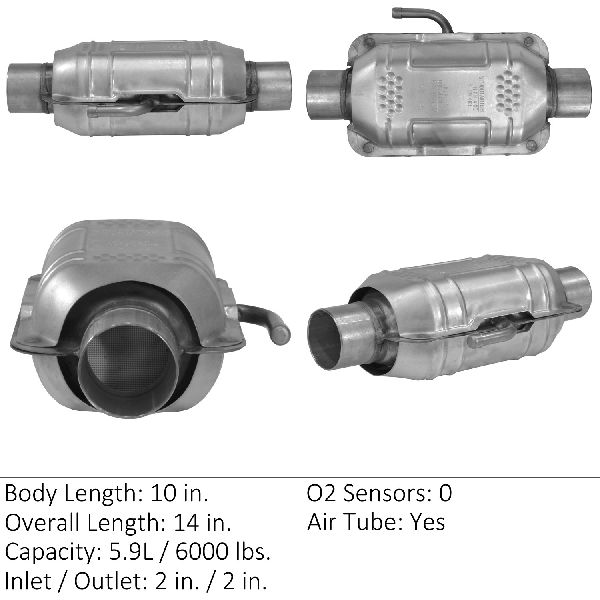
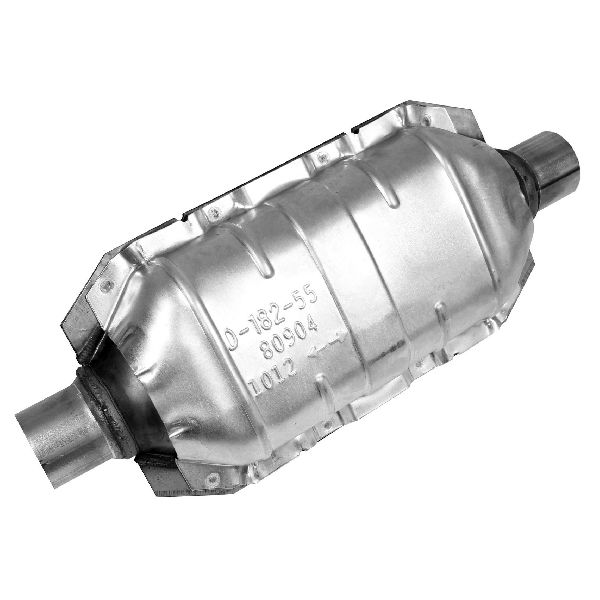
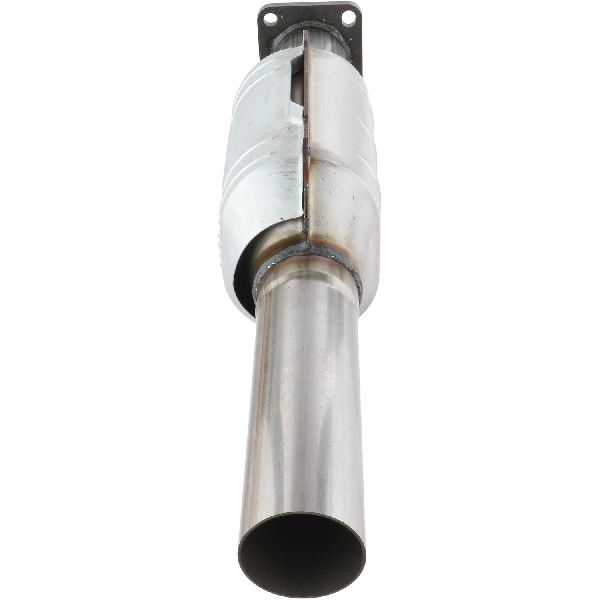
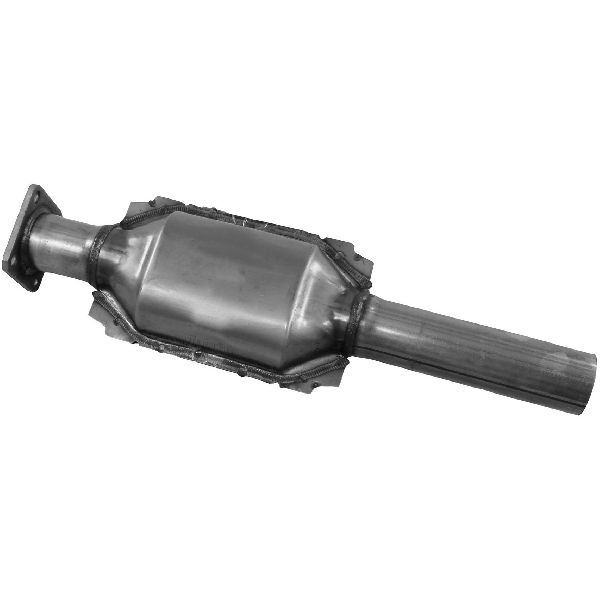
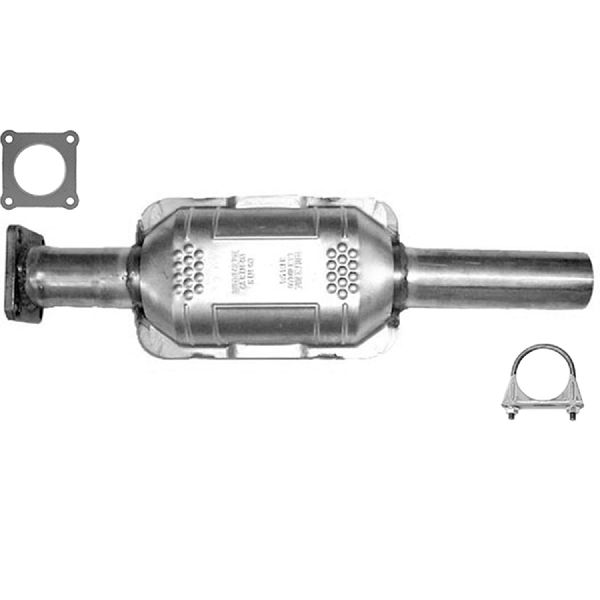
- Direct-Fit Converters: These are designed to bolt right into the factory location with minimal fuss. Brands like Walker, MagnaFlow, and Eastern Catalytic offer direct-fit options. This is the best choice for a DIY mechanic.
- Universal Converters: These are cheaper but require cutting and welding by an exhaust shop for proper installation. While you might save money on the part, you'll have labor costs.
Brand Tiers for Your Comanche
For a 1986-1992 Comanche, you don't need an expensive, high-efficiency converter designed for modern, sensitive computer systems. A solid, reliable EPA-compliant model will work perfectly.
- Good - Tier 1: AP Exhaust, Eastern Catalytic. These brands provide affordable, functional replacements that meet federal EPA standards. They are a great value for getting your truck back on the road and passing emissions.
- Better - Tier 2: Walker Exhaust. Walker is a well-respected name in exhaust components, known for good quality and fitment. They offer a balance of price and reliability that many owners trust.
- Best - Tier 3: MagnaFlow. While often priced higher, MagnaFlow is known for high-quality stainless steel construction and a focus on performance. A MagnaFlow converter may offer slightly better exhaust flow, which can be a small bonus on the 4.0L engine.
| Brand Tier | Part Cost | Notes |
|---|---|---|
| Economy (e.g., AP Exhaust) | $93 - $150 | Basic, functional, meets EPA standards. |
| Standard (e.g., Walker) | $140 - $200 | Good quality and reliable fitment. |
| Performance (e.g., MagnaFlow) | $125 - $250+ | High-quality construction, may improve flow. |
Frequently Asked Questions
Do I need a special California-legal (CARB) converter?
Unless you live in California, Colorado, New York, or Maine, you do not need a CARB-compliant converter for a vehicle of this age. A standard Federal/EPA-compliant converter is sufficient for all other states. Always check your local regulations to be sure.
Will a new converter fix my loss of power?
If your old converter was clogged, then yes, a new one will restore lost power and performance. A clogged converter acts like a potato in the tailpipe, preventing the engine from breathing properly.
Can I just remove the converter or hollow it out?
Removing the catalytic converter is illegal under federal law and will cause your vehicle to fail any emissions inspection. Hollowing out the converter is also illegal and can create a raspy, unpleasant exhaust sound. Given the reasonable cost of aftermarket converters, replacement is the correct and recommended solution.
Is replacing the catalytic converter a good DIY job?
For a direct-fit model, yes. The biggest challenge will be rusted and seized bolts. Be prepared with plenty of penetrating oil, a good socket set, and possibly a torch to heat stubborn fasteners. If you choose a universal converter, installation is best left to a professional exhaust shop with welding equipment.
Technical Specifications
The 1986-1992 Jeep Comanche uses a single, under-vehicle catalytic converter. Both 2.5L and 4.0L engines use a similar setup. Aftermarket replacements are typically available with inlet/outlet sizes around 2.25 inches. These are Federal EPA-compliant converters and do not have oxygen sensor ports built into them.
We Have This Part in Stock

The information in this article is provided for general reference and educational purposes only. Vehicle specifications, procedures, and part compatibility can vary by production date, trim level, and region. Always consult your vehicle's factory service manual and verify part numbers before purchasing or performing repairs. Safety-critical components such as airbags, seat belts, and braking systems should be installed by a qualified professional.
- Jeep Comanche: