

Jeep Comanche Front Disc Brake Caliper Replacement Guide (1986-1992)
Solve common brake dragging and pulling issues by choosing the right replacement front calipers for your MJ.
- Sticking or seizing is the most common failure mode for Comanche calipers, often caused by stuck slide pins or a collapsed rubber brake hose.
- Always replace front calipers in pairs to ensure even braking and prevent pulling.
- When replacing calipers, it is critical to also inspect the flexible brake hoses and the steering knuckle for wear grooves.
- For this vehicle, new aftermarket calipers from reputable brands like Raybestos or Powerstop offer the best value and reliability.
Is Your Comanche's Brake Caliper Failing?
For a rugged, simple truck like the 1986-1992 Jeep Comanche, the front disc brake system is generally reliable. However, after 30+ years of service, the single-piston front calipers are a common failure point. The most frequent problem is a seized or sticking caliper, which can cause a range of braking issues from annoying to dangerous. This happens when the caliper fails to release its grip on the brake rotor after you've taken your foot off the pedal.
Common Symptoms of a Bad Comanche Brake Caliper
- Vehicle Pulling to One Side: When braking or even while driving, the truck may pull sharply to the left or right. This is a classic sign of a seized caliper.
- Dragging Sensation: It might feel like the truck is struggling to accelerate or won't roll freely from a stop, as if the parking brake is partially on.
- Burning Smell: A stuck caliper generates immense heat, often resulting in a distinct burning or hot metal smell from one of the front wheels after a drive.
- Uneven Brake Pad Wear: When you inspect your brake pads, the pads on the wheel with the faulty caliper will be significantly more worn down than the other side.
- Spongy or Soft Brake Pedal: If the caliper's piston seal fails and leaks brake fluid, the pedal may feel soft or sink towards the floor.
Known Issues for 1986-1992 Jeep Comanche Calipers
Your Comanche shares its front axle and brake design with the popular Jeep Cherokee (XJ), so they share the same common problems. When a caliper sticks, it's not always the caliper itself that's to blame.
- Seized Caliper Piston: Rust and corrosion can form inside the caliper bore, causing the piston to get stuck. This is a common failure due to age and moisture in the brake fluid.
- Sticking Slide Pins: The caliper needs to slide freely on two guide pins. If these pins rust or their grease dries up, the caliper can get stuck, causing the brake to drag. Always clean and lubricate these pins during replacement.
- Collapsed Rubber Brake Hose: The flexible rubber hose that connects the steel brake line to the caliper can degrade from the inside. This can create a flap that acts as a one-way valve, trapping fluid pressure in the caliper and preventing it from releasing. If you have a sticking caliper on a high-mileage truck, it's wise to replace these hoses at the same time.
Check Your Steering Knuckles for Grooves
A unique problem on high-mileage XJ and MJ Jeeps is the formation of grooves in the steering knuckle where the brake pads slide. These divots can cause the brake pads to get stuck, perfectly mimicking a seized caliper. When you replace your calipers, inspect these surfaces. If significant grooves are present, the knuckle may need to be repaired by welding and grinding or replaced entirely to solve the sticking issue.
Choosing the Right Aftermarket Caliper
For a vehicle of this era, finding new Original Equipment Manufacturer (OEM) calipers is nearly impossible. The market consists almost entirely of new and remanufactured aftermarket parts. A quality new aftermarket caliper often meets or exceeds the original 1980s specifications and is the recommended choice.
Brand Quality Tiers
Not all aftermarket brands are created equal. They generally fall into a few categories:
- Performance Upgrade (Powerstop): Powerstop offers new calipers, often with powder-coated finishes for corrosion resistance and appearance. They are considered an upgrade over stock and are a good choice if you want enhanced performance and durability.
- OE-Quality Replacement (Raybestos, ACDelco): These brands have a strong reputation for producing reliable, high-quality parts that are equivalent to the original components. Raybestos is a particularly well-regarded name in brake systems.
- Standard / Value (Cardone, BBB Industries, Dynamic Friction): These brands offer a cost-effective solution. Cardone is a major supplier of remanufactured parts, but their quality can be inconsistent according to owner feedback. When choosing a value brand, inspect the part carefully upon arrival.
Pro Tip: Replace Calipers in Pairs
It is highly recommended to replace both front calipers at the same time. Replacing only one can lead to unbalanced braking, causing the vehicle to pull to the side with the newer, more efficient caliper. Since both calipers have been subjected to the same conditions, if one has failed, the other is likely not far behind.
Estimated Costs for Jeep Comanche Caliper Replacement
| Part Type | Estimated Cost (Part Only) |
|---|---|
| New Aftermarket Caliper | $32 - $109 |
| Remanufactured Aftermarket Caliper | $30 - $90 (plus core charge) |
| Shop Labor | $120 - $250 |
Frequently Asked Questions (FAQ)
Do I need to buy a new or remanufactured caliper?
For the Jeep Comanche, new aftermarket calipers are readily available and affordable. A new caliper ensures all components—the housing, piston, and seals—are fresh. Remanufactured calipers use the original caliper housing (the core) but are fitted with new seals and often a new piston. While remanufactured parts from a good brand can be reliable, the small price difference often makes a completely new caliper the better choice for peace of mind.
Should I replace my brake hoses at the same time?
Yes, it is highly recommended. The original rubber brake hoses on a 1986-1992 Comanche are well past their service life. An internally collapsed hose can trap pressure and cause a new caliper to stick, making you think the new part is faulty. Replacing them is a low-cost preventative measure.
What is a 'phenolic' vs. 'steel' piston?
You may see calipers listed with either phenolic (a type of composite resin) or steel pistons. Phenolic pistons do not rust and are less likely to seize due to corrosion. They also transfer less heat to the brake fluid. Steel pistons are stronger but can rust if moisture contaminates the brake fluid. For a daily-driven or off-road Comanche, a caliper with a phenolic piston is often a good choice to prevent future sticking issues.
Is replacing a brake caliper a good DIY job?
Yes, for those with some mechanical experience. The process is straightforward, requiring basic hand tools. The most critical part of the job is properly bleeding the brake system afterward to remove all air from the lines. Failure to bleed the brakes correctly will result in a spongy pedal and poor stopping power.
Technical Specifications
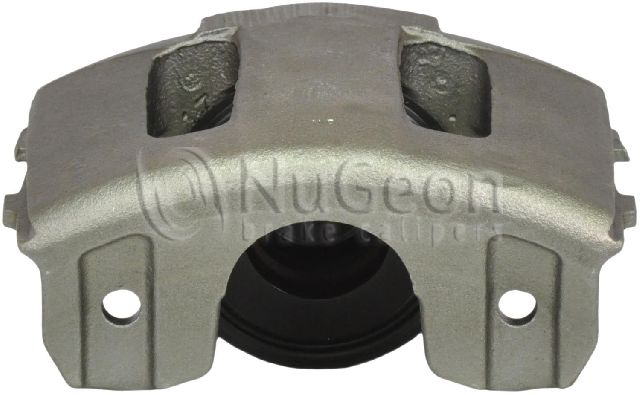
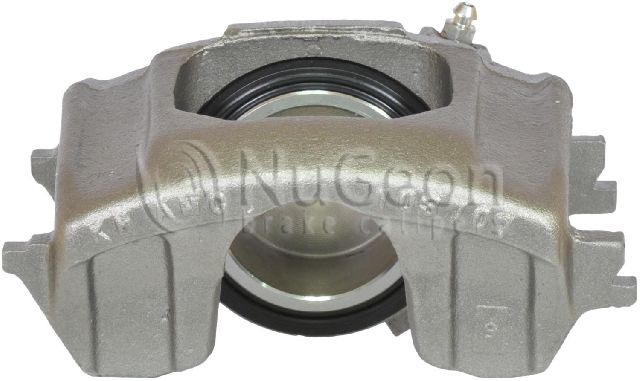
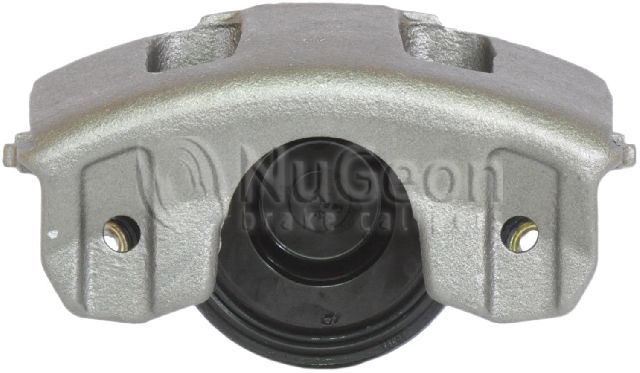
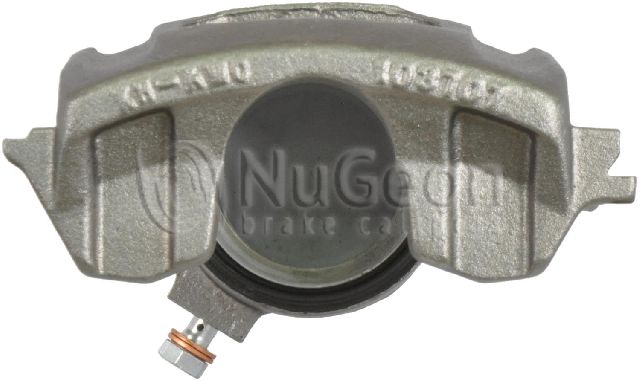
Fits 1986-1992 Jeep Comanche (MJ) models with front disc brakes. Utilizes a single-piston, floating caliper design.
We Have This Part in Stock

The information in this article is provided for general reference and educational purposes only. Vehicle specifications, procedures, and part compatibility can vary by production date, trim level, and region. Always consult your vehicle's factory service manual and verify part numbers before purchasing or performing repairs. Safety-critical components such as airbags, seat belts, and braking systems should be installed by a qualified professional.
- Jeep Comanche:
- 🛍️ Shop This Part
- Is Your Comanche's Brake Caliper Failing?
- Common Symptoms of a Bad Comanche Brake Caliper
- Known Issues for 1986-1992 Jeep Comanche Calipers
- Check Your Steering Knuckles for Grooves
- Choosing the Right Aftermarket Caliper
- Brand Quality Tiers
- Pro Tip: Replace Calipers in Pairs
- Estimated Costs for Jeep Comanche Caliper Replacement
- Frequently Asked Questions (FAQ)
- 🎟️ Get 5% Off