

Jeep Comanche Engine Coolant Bypass Hose Guide (1986-1992)
This small, often-overlooked hose is critical for your 4.0L or 2.5L engine's health; ignoring it can lead to serious overheating.
- The bypass hose is a critical component; its failure can cause rapid overheating and severe engine damage.
- Look for coolant leaks near the water pump and thermostat housing as the primary symptom of a bad hose.
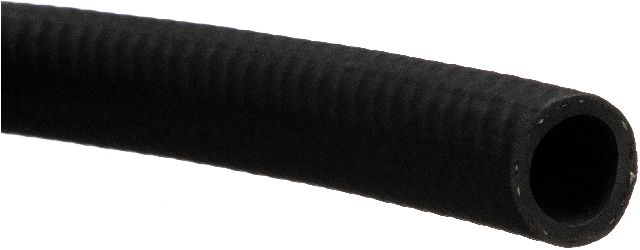
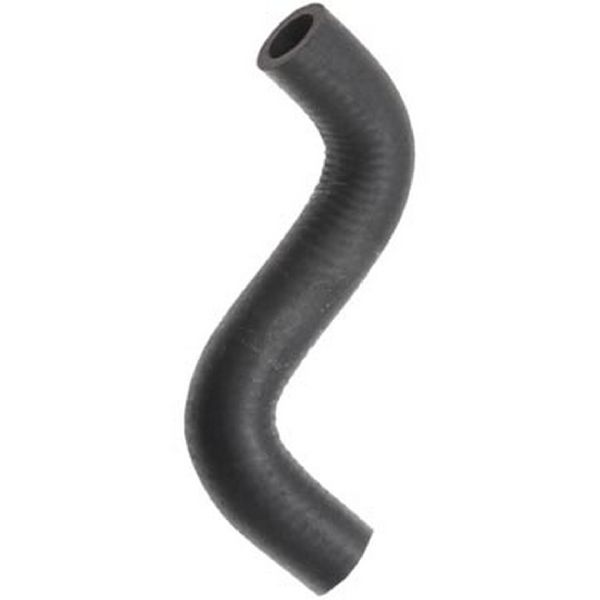
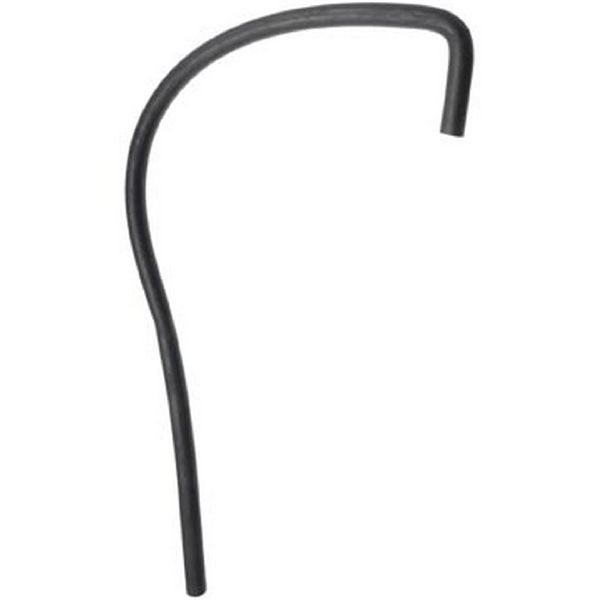
- Always use a pre-molded hose from a quality brand like Gates, Continental, Dayco, or Crown; do not use a straight hose.
- Due to the vehicle's age, it is wise to replace all major coolant hoses (radiator, heater, bypass) at the same time for reliability.
Symptoms of a Failing Bypass Hose
Like all rubber parts, the bypass hose is exposed to constant heat cycles and pressure, causing it to wear out over time. A failure can be sudden and lead to rapid coolant loss. Watch for these signs to prevent being stranded.
- Coolant Leaks: This is the most common symptom. You may find puddles of green or orange coolant under the front of your engine, near the water pump and thermostat housing.
- Sweet Smell: A distinct, sweet syrupy smell from the engine bay is a classic sign of an antifreeze leak. You'll notice it most when the engine is hot.
- Visible Damage: Pop the hood and inspect the hose. Look for cracks, splits, swelling, or a texture that feels either mushy or hard and brittle. Any visible wear means it's time for a replacement.
- Engine Overheating: A leaking hose leads to low coolant levels. If the hose bursts, the rapid loss of coolant will cause your temperature gauge to spike, risking severe engine damage.
OEM vs. Aftermarket Quality
For a vehicle of this age, new OEM (Original Equipment Manufacturer) parts are extremely rare or discontinued. Aftermarket parts are the primary, and often only, choice. Fortunately, brands like Gates, Continental, and Dayco are reputable manufacturers that produce high-quality EPDM rubber hoses that meet or exceed original specifications. Crown Automotive is a Jeep-specific brand that is a good option for fitment. For a simple part like a coolant hose, a quality aftermarket brand is a reliable and cost-effective choice.
Choosing the Right Aftermarket Bypass Hose
When shopping for a replacement, you'll find several trusted brands. While all are good options, there are slight differences.
- Premium Tier (Best Quality & Fit): Gates and Continental are widely considered top-tier brands in the aftermarket for rubber products. They are known for excellent material quality and precise molding, ensuring a perfect fit.
- Standard Tier (Good Quality): Dayco is a solid, reliable brand that offers good quality hoses. While some users occasionally report minor differences in shape compared to the original part, they are a dependable and widely available option.
- Jeep Specialist (Good Fit): Crown Automotive specializes in reproduction parts for Jeeps. This can be an advantage for ensuring the hose is molded correctly for the specific bends required in the Comanche's engine bay.
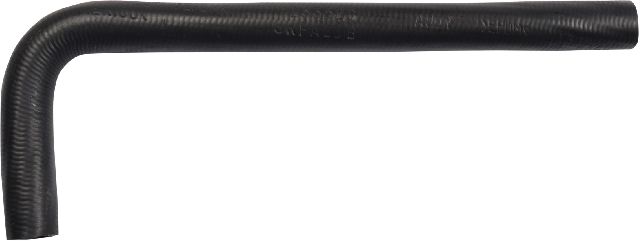
Pro Tip: Always use a molded hose for this application. Do not substitute a generic straight hose, as it will likely kink in the tight space, cutting off coolant flow and causing overheating. Also, it's highly recommended to replace your hose clamps whenever you replace a hose.
Typical Costs for Replacement
The cost for this repair is low, making it an easy decision for preventative maintenance.
| Part/Service | Estimated Cost |
|---|---|
| New Aftermarket Hose | $11 - $82 |
| Shop Labor | $90 - $150 |
| Total (DIY) | $11 - $82 |
| Total (Installed) | $101 - $232 |
Frequently Asked Questions
Are there any recalls for the Jeep Comanche cooling system?
No, there are no specific NHTSA recalls for the engine coolant bypass hose or cooling system on the 1986-1992 Jeep Comanche. Any recalls found for Jeep vehicles are for much newer models and unrelated issues.
Should I replace other hoses at the same time?
Yes. If the bypass hose has failed due to age, your radiator and heater hoses are likely in similar condition. It is highly recommended to replace all coolant hoses at once to prevent future breakdowns and ensure the reliability of your cooling system.
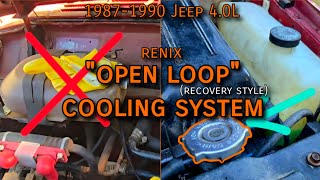
What's the difference between the 'closed' and 'open' cooling systems?
Comanches from 1987-1990 with the 4.0L engine used a 'closed' or 'Renix' cooling system with a pressurized coolant bottle on the firewall and no radiator cap. 1991 and later models used a more reliable 'open' system with a conventional radiator cap and an unpressurized overflow bottle. Many owners of earlier models convert to the open system for better reliability.
🎬 Watch this guide on converting your Jeep to an open cooling system.What kind of coolant should I use in my Jeep Comanche?
For these model years, a conventional green or yellow ethylene glycol-based coolant is appropriate. The antifreeze concentration should always be at least 44% to prevent corrosion and cavitation, with a 50/50 mix being standard for most climates.
Helpful Videos
Technical Specifications
OEM Part Numbers: 53007978
Molded EPDM rubber hose connecting the thermostat housing to the water pump.
We Have This Part in Stock


The information in this article is provided for general reference and educational purposes only. Vehicle specifications, procedures, and part compatibility can vary by production date, trim level, and region. Always consult your vehicle's factory service manual and verify part numbers before purchasing or performing repairs. Safety-critical components such as airbags, seat belts, and braking systems should be installed by a qualified professional.
- Jeep Comanche: