

Jeep Comanche Exhaust Manifold Guide (1986-1992): Fixing Ticking Noises and Cracks
If you own a Jeep Comanche with the 4.0L engine, it's not a question of if your exhaust manifold will crack, but when.
- The original 4.0L exhaust manifold is almost guaranteed to crack; do not replace it with a used OEM part.
- Choose an aftermarket replacement that features flex bellows to prevent future cracking.
- Always replace the shared intake/exhaust manifold gasket and inspect motor mounts during the job.
- This is a challenging but feasible DIY job; soak all bolts with penetrating oil for several days beforehand to prevent them from breaking.
Signs of a Failing Exhaust Manifold
A bad exhaust manifold on a Jeep Comanche, especially the 4.0L models, has very distinct symptoms. The original factory manifolds were known to have design flaws that cause them to fail over time. Here’s what to look and listen for:
- Ticking or Tapping Noise: This is the most common sign. You'll hear a loud ticking noise when the engine is cold, which may quiet down or disappear as the engine warms up and the metal expands to seal the crack. This is an exhaust leak.
- Exhaust Fumes: You might smell exhaust fumes inside the truck's cabin. This is a serious safety issue and means the manifold needs to be replaced immediately.
- Reduced Power and Fuel Economy: A significant leak can disrupt the oxygen sensor's readings, causing the engine to run poorly and use more fuel.
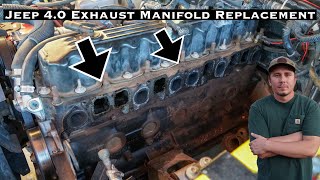
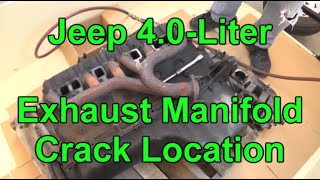
- Visible Cracks: Once you get a look at the manifold, you can often see the cracks, especially where the pipes merge together near the collector. 🎬 Watch: See exactly where these manifolds typically crack and leak. Sometimes, a previous owner may have attempted to weld the crack, which is usually a temporary fix.
Known Issue: A Flawed Factory Design
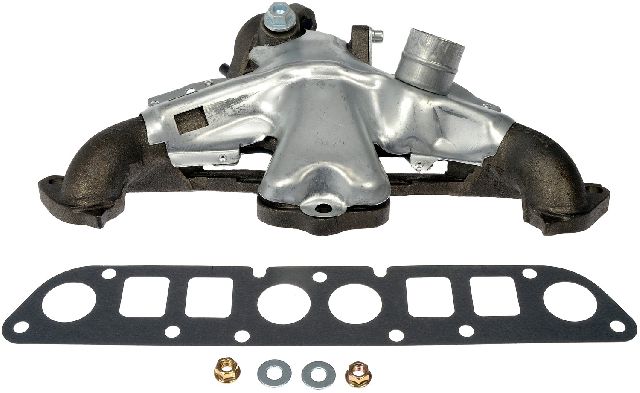
The original cast iron exhaust manifolds on 1987-1992 Jeep Comanches with the 4.0L inline-six engine are famous for cracking. The long, one-piece design, combined with engine vibration and countless heat cycles, puts too much stress on the metal. It's a well-documented problem in the Jeep community, and finding an original that isn't cracked is rare. Because of this high failure rate, replacing a cracked original with a used OEM part is not recommended.
Choosing the Right Aftermarket Exhaust Manifold
Since the original design was flawed, the aftermarket has stepped up with better solutions. When shopping for a replacement, you'll find several options that are superior to the factory part.
| Brand Tier | Brands | Description & Quality Assessment |
|---|---|---|
| Good (Value) | Replacement | These are basic, no-frills manifolds designed to be a direct, budget-friendly replacement. They get the job done but may not have the design improvements of more expensive brands. |
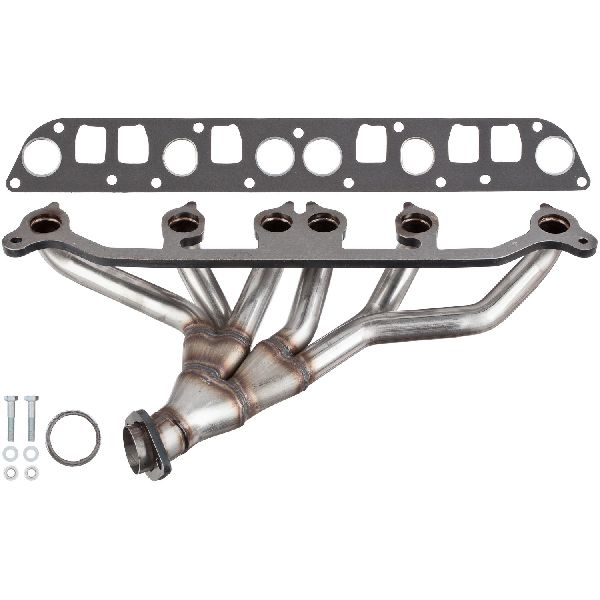
| Better (OEM-Style) | ATP | ATP (Graywerks) offers OE-style replacement manifolds made from high-grade metals. They are designed to match original specifications for fit and performance and often come as a kit with gaskets and hardware. While generally reliable, some users report fitment issues. |
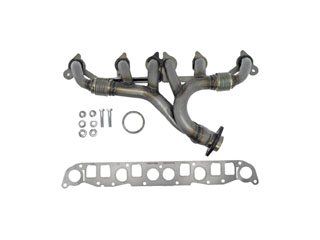
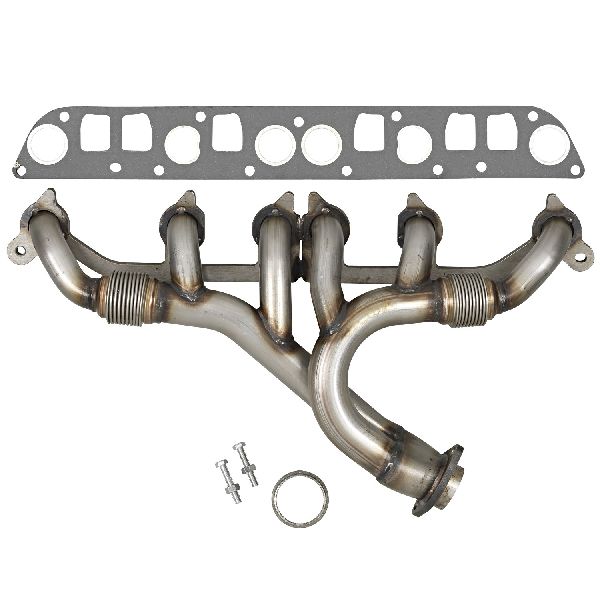
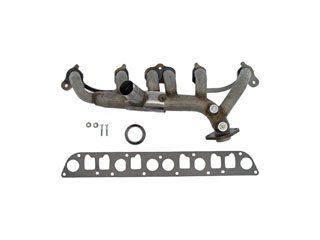
| Best (Redesigned for Durability) | Dorman, Omix-Ada | These brands are highly recommended because they often redesign the manifold to fix the original cracking problem. Look for models that include accordion-style flex bellows on the outer pipes. These bellows absorb vibration and allow the metal to expand and contract without stressing the welds, making them much less likely to crack in the future. Dorman and Omix-Ada are well-known for offering these improved designs. |
Pro Tip: Look for Flex Bellows
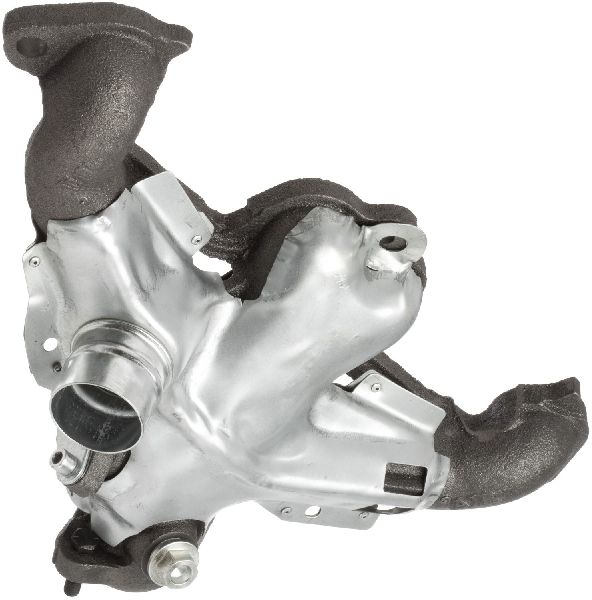
When buying a new manifold for your 4.0L Comanche, the single most important feature to look for is the inclusion of flex bellows. These flexible joints are the best defense against the cracking that plagued the original design. Spending a little more on a manifold with this feature is a smart investment to avoid doing the job a second time.
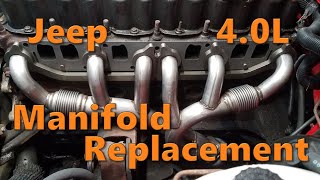
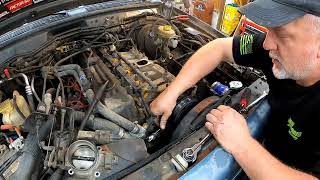
🎬 See this walkthrough of the replacement process on a 4.0L.Frequently Asked Questions (FAQ)
Can I install a new exhaust manifold myself?
Yes, if you are an experienced DIY mechanic. The job is straightforward but can be difficult. You have to remove the intake manifold to access the exhaust manifold, and the bolts can be rusty and hard to reach, especially the lower ones. Broken bolts are a common problem, so be prepared by soaking all fasteners in penetrating oil 🎬 Watch: A step-by-step guide to replacing your exhaust manifold. for a day or two before you start.
What else should I replace at the same time?
Since the intake and exhaust manifolds share a gasket, you must replace the manifold gasket. It's also a good time to inspect your motor mounts. Worn motor mounts allow the engine to move excessively, which puts stress on the manifold and can cause a new one to crack. Also, plan on replacing the donut gasket at the collector flange where the manifold connects to the rest of the exhaust.
Is a tubular header better than a cast iron manifold?
For the 4.0L engine, the stock manifold design is actually quite efficient, so a more expensive tubular header may not provide a significant power increase. The most important upgrade is choosing a manifold with flex bellows to prevent cracking. Some redesigned aftermarket manifolds are made of stainless steel tubes and incorporate these flex joints, offering the best of both worlds.
Were there any recalls for the Jeep Comanche exhaust manifold?
No specific recalls were found for cracking exhaust manifolds on the 1986-1992 Jeep Comanche. However, Technical Service Bulletin (TSB) 11-51-91 was issued for 1987-1990 models with the 4.0L engine, acknowledging exhaust manifold and gasket leaks and introducing a new manifold and gasket part. Another recall for later model Jeeps (not including the Comanche) involved installing a debris shield to prevent fires caused by debris accumulating on the hot manifold, highlighting the high temperatures in that area.
Helpful Videos
Technical Specifications
OEM Part Numbers: 53006244 33007072 4883385
The Jeep Comanche was available with a 2.5L 4-cylinder or a 4.0L inline 6-cylinder engine. The 4.0L engine is notorious for manifold cracking. The intake and exhaust manifolds share a common gasket and some mounting bolts. Aftermarket replacements with flex joints are the recommended repair.
We Have This Part in Stock

The information in this article is provided for general reference and educational purposes only. Vehicle specifications, procedures, and part compatibility can vary by production date, trim level, and region. Always consult your vehicle's factory service manual and verify part numbers before purchasing or performing repairs. Safety-critical components such as airbags, seat belts, and braking systems should be installed by a qualified professional.
- Jeep Comanche: