

Jeep Comanche Ignition Switch: Diagnosis and Replacement Guide (1986-1992)
Solve common starting problems, intermittent stalling, and electrical issues by understanding your Comanche's ignition switch.
- A bad ignition switch causes electrical issues like no-start or stalling; a bad lock cylinder makes the key hard to turn.
- Intermittent stalling while driving is a critical symptom that points to a failing switch and requires immediate attention.
- Before replacing the switch, check that it isn't simply loose on the steering column, as re-tightening it can sometimes solve the problem.
- Standard Ignition is a well-reviewed aftermarket brand for this part, offering a reliable alternative to unavailable OEM parts.
Is Your Ignition Switch Failing?
Electrical problems in an older truck like the 1986-1992 Jeep Comanche can often be traced back to the ignition switch. After decades of use, the internal electrical contacts can wear out, get corroded, or the plastic housing can become brittle. This can lead to a variety of frustrating and potentially dangerous symptoms. Unlike the key lock cylinder which fails mechanically, the ignition switch fails electrically.
Key Symptoms of a Bad Ignition Switch:
- No Crank, No Start: You turn the key and nothing happens, or you only hear a single click from the starter solenoid. This often means the switch isn't sending power to the starter circuit.
- Engine Starts, Then Immediately Stalls: The engine fires up while the key is in the 'START' position but dies as soon as you release it to the 'RUN' position. This points to a failure in the 'RUN' circuit within the switch.
- Stalling While Driving: The engine and all electronics may suddenly shut off while you are driving, sometimes triggered by hitting a bump. This is a critical failure, as it also causes a loss of power steering and power brakes.
- Intermittent Electrical Problems: Your radio, heater blower, wipers, or dashboard lights may cut in and out. Sometimes they will work in the accessory position but not when the engine is running.
Pro Tip: Before replacing the switch, check if it's just loose. The switch is mounted on top of the steering column with two bolts. Forum users have reported that simply loosening these bolts, repositioning the switch slightly, and re-tightening them can sometimes fix connection issues.
Choosing the Right Aftermarket Ignition Switch
For a vehicle like the 1986-1992 Comanche, new Original Equipment (OEM) parts are typically no longer available. The aftermarket is your primary source. Here’s a breakdown of the available brand tiers:
- Standard Ignition (Standard Motor Products): This is a widely available and well-regarded brand in the aftermarket. Reviews and forum discussions often point to Standard as a reliable choice that offers good fit and a solid feel. They are known for using quality materials like copper alloy conductors and for testing their parts for performance.
- Rostra Powertrain: Rostra is another brand that produces aftermarket electrical components. While not as commonly discussed in Jeep forums as Standard, they market their parts as direct-fit OE replacements made with high-grade materials. They are a viable alternative if available.
- Replacement (Store Brands): These are often the most budget-friendly options. While they can work, quality can be inconsistent. Given that a failing ignition switch can leave you stranded or cause a stall while driving, investing a few extra dollars in a reputable brand like Standard is often worth the peace of mind.
Known Issues, Recalls, and TSBs
Searches of the National Highway Traffic Safety Administration (NHTSA) database show no specific recalls or Technical Service Bulletins (TSBs) for the ignition switch on the 1986-1992 Jeep Comanche.
However, it's important to note:
- Later model Jeeps (2005-2007 Grand Cherokee and Commander) were recalled for ignition switches that could be bumped by the driver's knee, causing the engine to stall. This is a different issue and design than the one in the Comanche.
- On 1988 and later models, a failed ballast resistor can cause the engine to die after starting, mimicking a bad ignition switch. This is a cheap and easy part to test by jumpering its two wires.
- A no-crank condition can also be caused by oil leaking from the filter or engine seals into the starter motor, a known issue on the 4.0L engine.
Frequently Asked Questions (FAQ)
Is the ignition switch the same as the ignition lock cylinder?
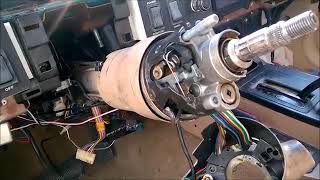
No. They are two separate parts. The lock cylinder is the mechanical tumbler you put your key into. The ignition switch is the electrical part that the lock cylinder controls via a long metal rod inside the steering column. If your key is stuck or hard to turn, the lock cylinder is the likely problem. If you have electrical issues like a no-start or stalling, the ignition switch is the more likely culprit.
Do I need special tools to replace the ignition switch?
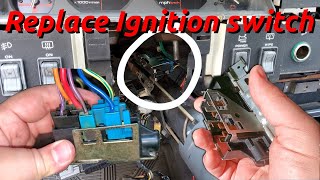
No special tools are required. Basic hand tools like sockets and screwdrivers are all that's needed to remove the lower dash panel and the two bolts holding the switch to the steering column. 🎬 Watch this step-by-step ignition switch replacement walkthrough. This is different from the lock cylinder, which requires a steering wheel puller and lock plate compressor.
Why does my truck start but die as soon as I let go of the key?
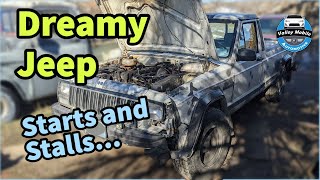
This classic symptom can be the ignition switch, which has separate circuits for 'START' and 'RUN'. However, on 1988 and newer Comanches, it is also a primary symptom of a failed fuel pump ballast resistor, located on the driver's side inner fender. 🎬 See how to diagnose this specific start and stall condition. It's wise to test this inexpensive part before replacing the entire ignition switch.
Can a bad ignition switch cause a 'no-crank' issue?
Yes. If the contacts inside the switch for the 'START' position are worn out, no power will be sent to the starter solenoid, resulting in a no-crank condition when you turn the key. You may hear a click, but the engine will not turn over.
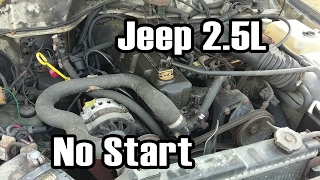
🎬 Watch a mechanic diagnose common no-start issues on an MJ.Helpful Videos
Technical Specifications
Located on the top of the steering column, activated by an actuator rod. Note that some aftermarket parts differentiate between models with and without a tilt steering wheel.
We Have This Part in Stock


The information in this article is provided for general reference and educational purposes only. Vehicle specifications, procedures, and part compatibility can vary by production date, trim level, and region. Always consult your vehicle's factory service manual and verify part numbers before purchasing or performing repairs. Safety-critical components such as airbags, seat belts, and braking systems should be installed by a qualified professional.
- Jeep Comanche: