

Jeep Comanche 1986-1992 Oxygen Sensor: A Comprehensive Guide
Fix poor fuel economy and rough running by understanding your Comanche's O2 sensor.
- Verify if your 4.0L is a Renix (87-90) or HO (91-92) system before buying, as the sensors are different.
- For best results, especially on Renix engines, owners strongly recommend using an NGK/NTK or Denso brand sensor.
- Before replacing the sensor, check the O2 heater relay and ground wires for issues, as they are common failure points.
- A seized sensor is the most common replacement challenge; use penetrating oil and an O2 sensor socket.
Understanding Your Comanche's Oxygen Sensor
Your 1986-1992 Jeep Comanche relies on its oxygen sensor to keep the engine running efficiently. This small sensor plays a big role in managing the air-to-fuel ratio. When it starts to fail, you'll notice it in your truck's performance and your wallet. Because this vehicle generation spans two different engine management systems for the 4.0L engine—Renix (1987-1990) and Chrysler High Output or HO (1991-1992)—it's important to know which one you have before buying a part.
Renix vs. HO Systems: A Critical Difference
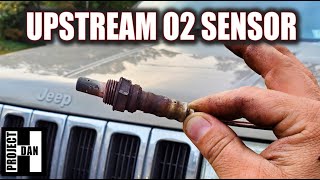
The most common engine, the 4.0L inline-6, used two different systems. The 1987-1990 models use the Renix fuel injection system, which has a unique 0-5 volt heated O2 sensor. The 1991-1992 models use the Chrysler HO system with a more conventional heated O2 sensor. They are not interchangeable. All Comanches in this year range only have one 'upstream' sensor located in the exhaust manifold or downpipe before the catalytic converter.
Symptoms of a Failing Oxygen Sensor
A bad O2 sensor can cause a variety of problems, but they often start small. You might notice one or more of the following issues:
- Poor Fuel Economy: This is often the first sign. The engine computer gets bad information and defaults to a 'rich' mixture, using more fuel than necessary.
- Rough Idle or Misfires: The engine may run unevenly, sputter, or hesitate, especially when it's cold. A bad sensor can cause the computer to demand too much gas, leading to misfires. 🎬 See how a new upstream sensor solved this Jeep's misfire.
- Smell of Rotten Eggs or Gas: A strong smell of sulfur or unburnt gasoline from the exhaust indicates a rich fuel mixture that the catalytic converter can't handle.
- Failed Emissions Test: An incorrect air/fuel ratio will cause your truck to fail a smog check.
Choosing the Right Aftermarket Oxygen Sensor
For a vehicle of this age, aftermarket parts are often the best and only choice. Quality can vary, but many brands offer excellent performance. Owner forums and mechanics often recommend sticking with brands known for their sensor technology.
Tier 1: Premium / OE-Style Brands
- NGK/NTK: Widely considered the best choice by Jeep owners for this era. NTK was an original equipment supplier for Jeep, and their sensors are engineered to match the specific requirements of the Renix and HO systems. Many owners report that other brands can cause issues, especially on Renix models.
- Denso: Another top-tier OE manufacturer with a strong reputation for quality and reliability. Denso sensors are a solid choice for both HO and Renix models.
Tier 2: Standard Aftermarket Brands
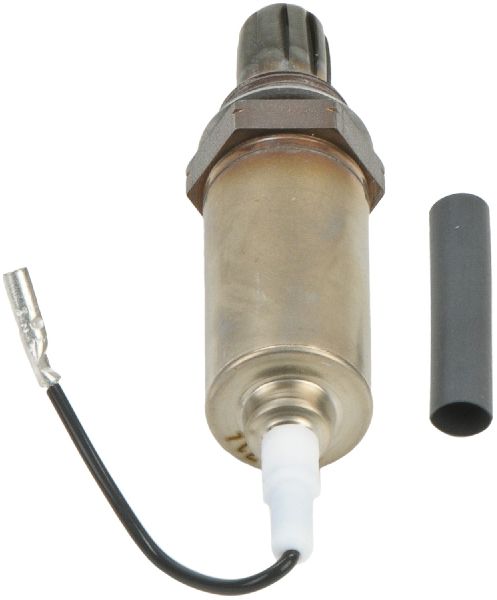
- Bosch: A well-known brand, but some Jeep owners have reported mixed results, particularly with Renix engines, possibly due to slight differences in heater resistance values. For HO models, they are generally considered a reliable option.
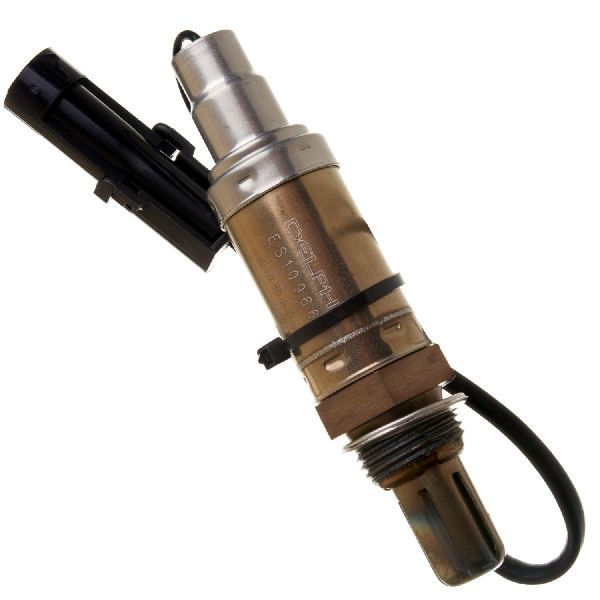
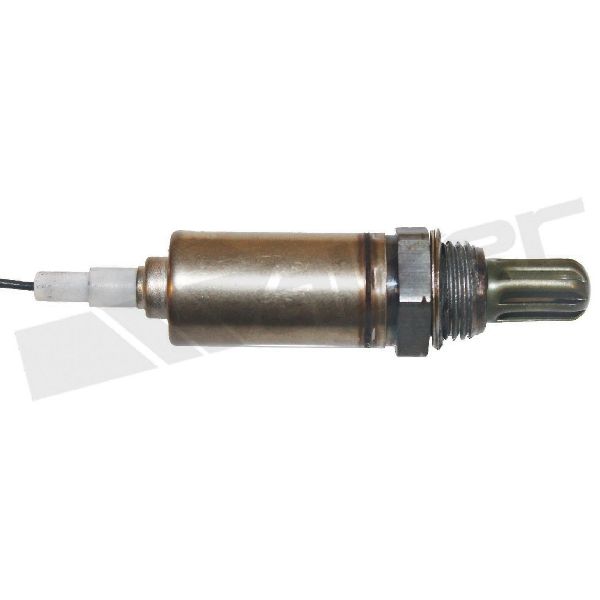
- Walker Products, Delphi, Spectra: These brands offer a good balance of price and performance. They are generally reliable and provide a direct-fit replacement.
Tier 3: Budget-Friendly Brands
- DriveWire: These are typically the most affordable option. While they may function correctly, their long-term durability and precision might not match the premium brands.
Pro Tip: Check Your Grounds and Relays First
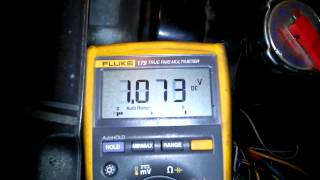
Especially on Renix (87-90) models, O2 sensor problems are often caused by bad electrical grounds or a faulty O2 sensor heater relay, not the sensor itself. Before replacing the sensor, check that the heater relay is supplying 12-14 volts and that the sensor's ground connection is clean and solid. This can save 🎬 Watch: How to test your Renix O2 sensor and grounds. you from replacing a perfectly good part.
Replacement Cost
| Category | Estimated Cost |
|---|---|
| New Aftermarket Part | $28 - $143 |
| Shop Labor | $50 - $120 |
| Total DIY Cost | $28 - $143 |
| Total Professional Replacement | $78 - $263 |
Frequently Asked Questions
How many oxygen sensors does my 1986-1992 Comanche have?
All Jeep Comanches from this period have only one oxygen sensor. It is an "upstream" sensor, located in the exhaust system before the catalytic converter.
Is it hard to replace the oxygen sensor myself?
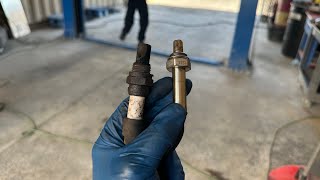
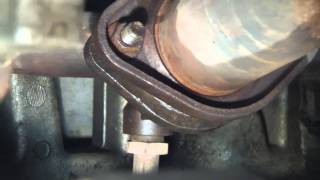
The replacement is generally easy. The sensor is usually accessible on the exhaust downpipe. The main difficulty is that the old sensor can be seized due to rust and heat. Using a special O2 sensor socket and penetrating oil is highly recommended. The difficulty is low, assuming the sensor isn't frozen in place.
🎬 Watch this step-by-step O2 sensor replacement walkthrough.What is the difference between a heated and unheated sensor?
Heated sensors have an internal heater circuit that brings them up to operating temperature quickly. This allows the engine computer to enter "closed loop" mode sooner, which means it's using the O2 sensor readings to adjust fuel trim. The 1987-1992 Comanches use a heated, three-wire sensor.
Will a new O2 sensor fix my bad gas mileage?
If the old sensor was failing and causing the engine to run rich, then yes, a new sensor will almost certainly improve your fuel economy. However, many other issues can also cause bad mileage, so it's important to make sure the sensor is the root cause.
Helpful Videos
Technical Specifications
OEM Part Numbers: 53002106 56028301 56028200
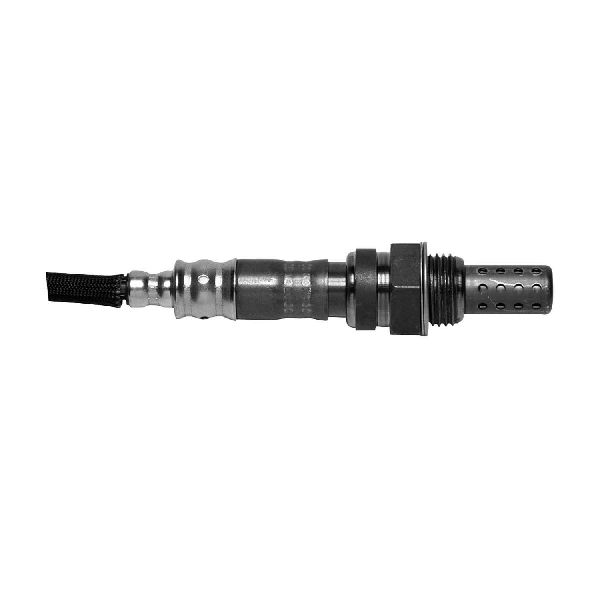
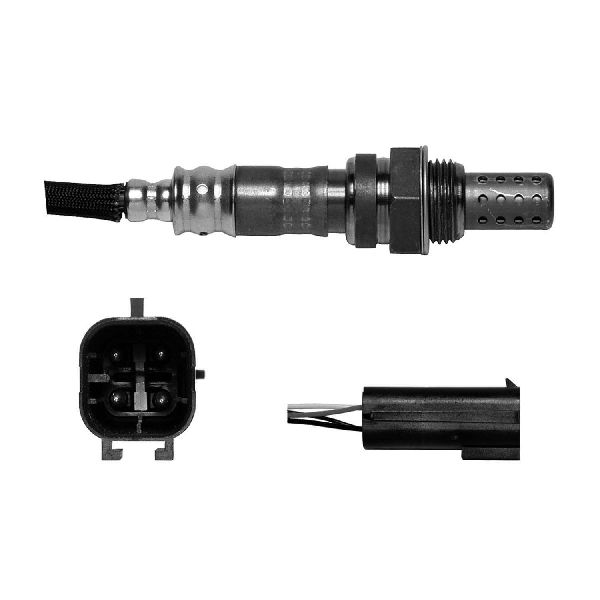
All 1987-1992 models use a single, upstream, heated 3-wire oxygen sensor. The 1987-1990 Renix system uses a 0-5 volt sensor, while the 1991-1992 HO system uses a more standard design.
We Have This Part in Stock

The information in this article is provided for general reference and educational purposes only. Vehicle specifications, procedures, and part compatibility can vary by production date, trim level, and region. Always consult your vehicle's factory service manual and verify part numbers before purchasing or performing repairs. Safety-critical components such as airbags, seat belts, and braking systems should be installed by a qualified professional.
- Jeep Comanche:
- 🎬 Helpful Videos
- 🛍️ Shop This Part
- Understanding Your Comanche's Oxygen Sensor
- Renix vs. HO Systems: A Critical Difference
- Symptoms of a Failing Oxygen Sensor
- Choosing the Right Aftermarket Oxygen Sensor
- Pro Tip: Check Your Grounds and Relays First
- Replacement Cost
- Frequently Asked Questions
- 🎟️ Get 5% Off