

A Practical Guide to the 1986-1992 Jeep Comanche Power Steering Pump
Everything you need to know to fix steering whine, leaks, and stiffness on your MJ.
- A whining noise is the most common failure symptom, often caused by air in the system or internal wear.
- Brand quality varies greatly; Crown is a reliable standard replacement, while PSC is a heavy-duty upgrade.
- Thoroughly bleeding the system after installation by turning the wheel lock-to-lock is critical to prevent noise and damage.
- You will need a special pulley puller/installer tool to swap the pulley from your old pump to the new one.
Signs of a Failing Power Steering Pump
When your Comanche's power steering pump starts to fail, it will give you clear warning signs. Ignoring them can lead to a complete loss of power assist, making the truck difficult to steer.
- Whining Noise: The most common symptom is a distinct whining or groaning sound that gets louder when you turn the steering wheel. This is often caused by low fluid or air bubbles in the system.
- Stiff Steering: If turning the wheel suddenly requires a lot of muscle, especially at idle or low speeds, the pump is likely not producing enough pressure.
- Fluid Leaks: Puddles of reddish or clear fluid under the front of your engine are a sure sign of a leak. Check the pump, the attached reservoir, and the high and low-pressure hoses for wetness.
- Foaming or Bubbling Fluid: If you check the fluid in the reservoir and it looks foamy, it means air is getting into the system. This reduces the pump's effectiveness and causes whining.
Choosing the Right Aftermarket Pump
Since the Jeep Comanche shares its steering system with the popular Cherokee XJ, you have several aftermarket options. Original OEM parts are no longer available new. Quality varies significantly between brands, so choosing the right one depends on your budget and how you use your truck.
Brand Quality Tiers
Economy (Budget-Focused):
- Cardone (A1 Cardone) / BBB Industries: These are widely available remanufactured pumps and are often the cheapest option. However, they have a poor reputation among Jeep owners for inconsistent quality and a high failure rate right out of the box. Many users report needing to replace them multiple times. Consider this tier only if budget is the absolute top priority, but be aware of the risk.
Standard Replacement (Daily Driver):
- Crown Automotive: Crown specializes in Jeep parts and is known for making reliable, OE-style replacements. Owners generally report good experiences, making this a solid choice for a daily driven or stock Comanche. It offers a good balance of quality and cost.
High-Performance (Off-Road / Heavy-Duty):
- PSC Motor Sports: PSC is the top-tier brand for performance steering components. Their pumps are new, not remanufactured, and built for heavy-duty use like off-roading with large tires. While it is the most expensive option by a large margin, a PSC pump is a significant upgrade that provides stronger, more reliable steering under stress.
Pro Tip: Consider a Junkyard OEM Pump
Many experienced Jeep owners would rather install a used, working OEM pump from a junkyard than a cheap, new remanufactured pump. If you can find one from a vehicle where the fluid looks clean, it can be a reliable and very affordable option.
Common Ordering & Installation Mistakes
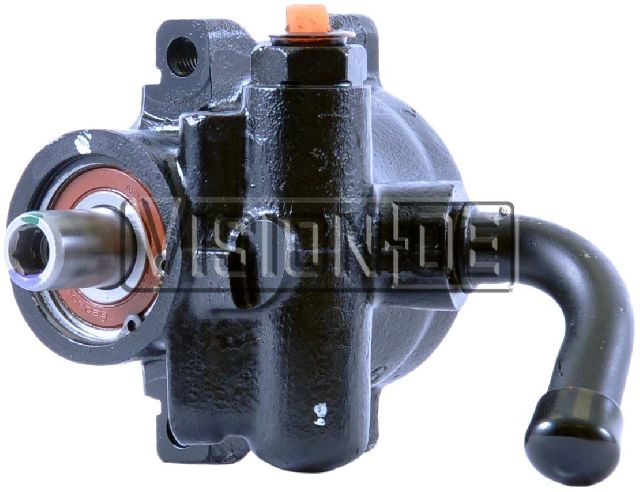
- Not Getting a Pulley Puller: The pulley is pressed on tightly. You will need a specific power steering pump pulley puller/installer tool to swap it to your new pump. Do not try to use a jaw puller or hammer, as you will damage the pulley or the pump.
- Ignoring the Hoses: Your old, brittle power steering hoses can introduce contaminants into the new pump or fail under the pressure of a new unit. It is highly recommended to replace the high-pressure and return hoses at the same time.
- Improper Bleeding: Failing to properly bleed air from the system is the #1 cause of a noisy new pump. Air in the fluid will cause the pump to whine and can damage it over time. After installation, with the engine off and front wheels in the air, you must turn the steering wheel from full lock to full lock at least 20-30 times to work all the air out.
Frequently Asked Questions (FAQ)
What kind of power steering fluid should I use in my Comanche?
Your 1986-1992 Jeep Comanche uses standard power steering fluid. Do not use Automatic Transmission Fluid (ATF) unless a specific product states it is compatible. Check the bottle to ensure it meets Chrysler MS-5931 specifications.
Are there any recalls for the Jeep Comanche power steering pump?
No. Searches of the National Highway Traffic Safety Administration (NHTSA) database show no open or past recalls for the power steering pump or system on the 1986-1992 Jeep Comanche.
Do I need to replace the reservoir with the pump?
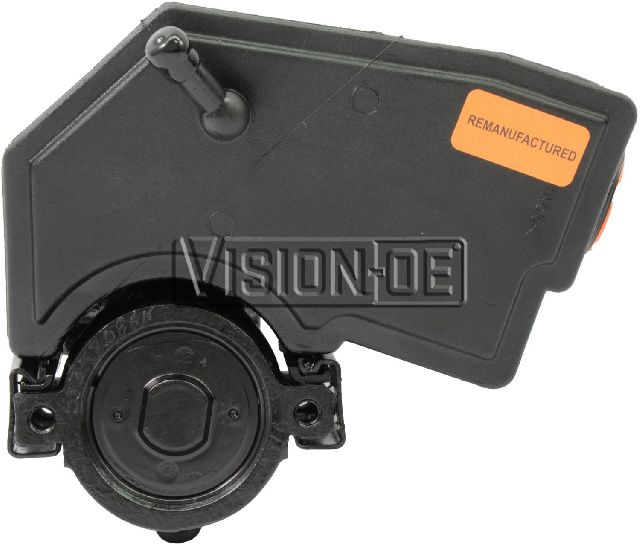
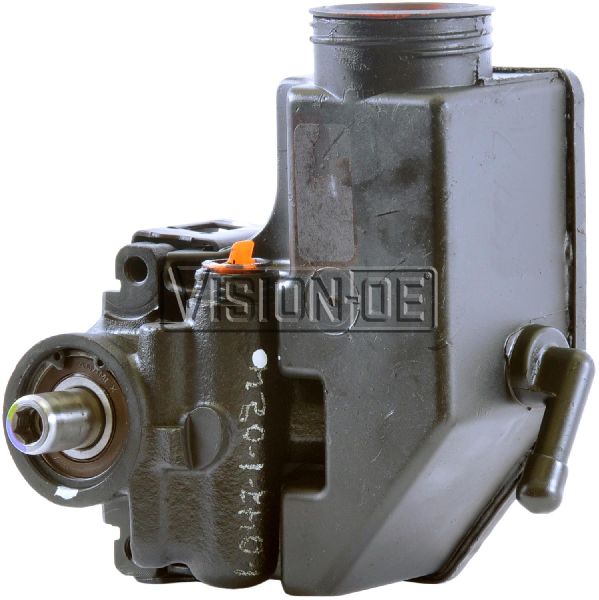
Most aftermarket pumps for the Comanche come with a new reservoir attached. If yours does not, or if the new pump comes with the wrong style of reservoir, you will need to carefully swap your old one over. Be extremely careful with the plastic return line nipple, as it can become brittle and break easily.
Is a noisy pump always a bad pump?
Not always, but usually. A whining noise is the most common sign of a failing pump or air in the system. Before replacing the pump, double-check that the fluid level is correct and try bleeding the system again. If the noise persists, the pump's internal components are likely worn.
Technical Specifications
OEM Part Numbers: 52037566
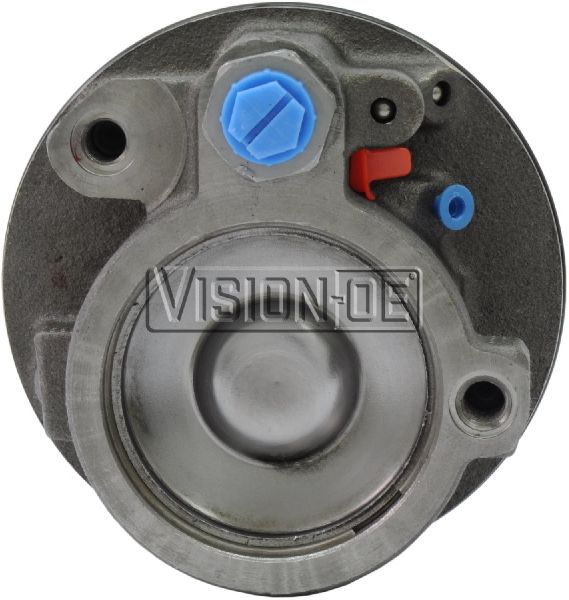
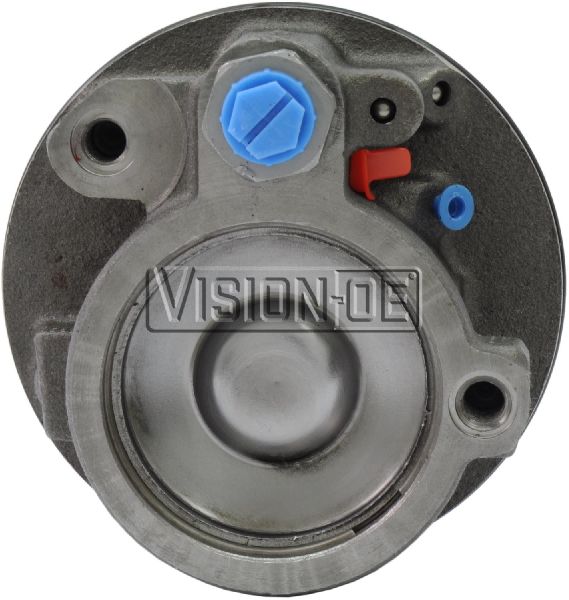
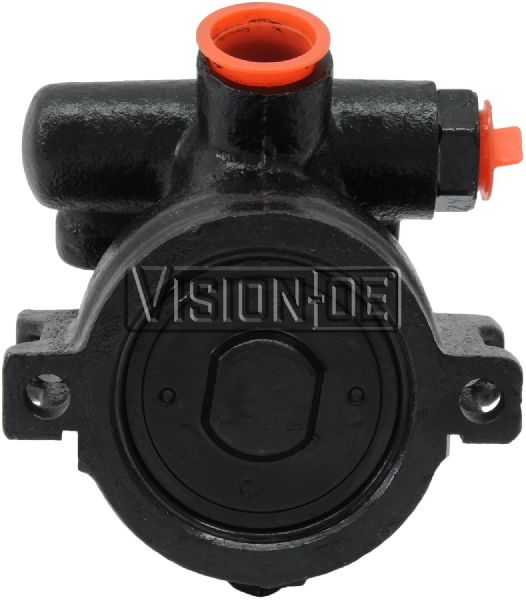
Fits 2.5L I4 and 4.0L I6 engines. Serpentine belt driven. Most replacements include an integrated fluid reservoir. Requires a press-fit pulley (sold separately or transferred from old pump).
We Have This Part in Stock

The information in this article is provided for general reference and educational purposes only. Vehicle specifications, procedures, and part compatibility can vary by production date, trim level, and region. Always consult your vehicle's factory service manual and verify part numbers before purchasing or performing repairs. Safety-critical components such as airbags, seat belts, and braking systems should be installed by a qualified professional.
- Jeep Comanche: