

Jeep Comanche Starter Motor: A Guide for the 1986-1992 Models
Everything you need to know before replacing the starter on your 2.5L or 4.0L Jeep Comanche.
- Always test the battery and check cable connections before replacing the starter; wiring issues are common.
- Heat soak is a frequent problem on 4.0L models; upgrading to a gear-reduction starter from a brand like Powermaster or MSD is a highly effective solution.
- The replacement is a DIY-friendly job, typically requiring the removal of just two bolts and two wires after disconnecting the battery.
- For a reliable factory-style replacement, Crown Automotive is a well-regarded brand specializing in Jeep parts.
Is Your Comanche's Starter Failing?
A failing starter rarely dies without warning. For 1986-1992 Jeep Comanche owners, the signs are usually clear. Before you assume the starter is bad, always make sure your battery is fully charged and the battery terminals are clean and tight. Bad connections are a common issue on these older Jeeps and can mimic starter failure.
Common Symptoms of a Bad Starter:
- Single Loud Click: You turn the key and hear one loud 'CLACK' from the engine bay, but the engine doesn't turn over. This often means the starter solenoid is engaging, but the motor itself isn't spinning.
- No Sound at All: If you turn the key and get nothing—no click, no crank—it could be a dead battery, a bad connection, or a failed starter solenoid or relay.
- Slow, Labored Cranking: If the engine turns over very slowly, like the battery is weak (even when it's not), the starter motor could be worn out and drawing too much power.
- Grinding Noise: A grinding or whirring sound during or after cranking can indicate a problem with the starter's gear not engaging or disengaging properly with the flywheel.
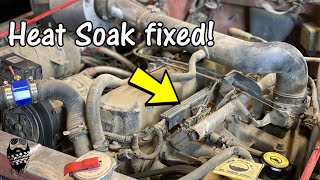
- Hot-Start Problems (Heat Soak): A very common issue, especially on the 4.0L engine, is when the truck starts fine when cold but refuses to crank after it's been driven and is hot. This happens when heat from the exhaust manifold "soaks" the starter, increasing electrical resistance.
Check the Simple Things First
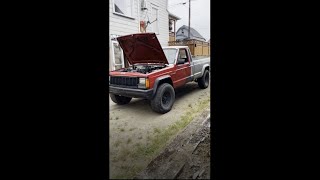
🎬 Watch: How to test for and replace a bad starter.Many starter problems on these Jeeps are actually wiring problems. Before spending money on a new part, inspect the battery cables, the small signal wire to the solenoid, and the main ground connections. A loose or corroded wire can prevent the starter from getting the power it needs.
Choosing the Right Aftermarket Starter
For a vehicle like the 1986-1992 Comanche, new OEM Mopar starters are often discontinued or very expensive. The aftermarket offers a wide range of quality and price points. All listed brands offer new, not remanufactured, starters.
Brand Quality Tiers
- Performance Tier (MSD, Powermaster): These brands specialize in high-torque, gear-reduction starters. They are smaller, lighter, and more powerful than the original units. A gear-reduction starter is an excellent upgrade for any Comanche, especially those with the 4.0L engine that suffers from heat soak, as they require less power to crank the engine when hot. Powermaster starters are made in the USA and dyno-tested.
- OE-Style Replacement (Crown Automotive, ACDelco): Crown Automotive is a well-known brand specializing in replacement parts for Jeep vehicles. Their parts are designed to be direct, factory-style replacements and are generally considered a good mid-tier option when Mopar is unavailable. ACDelco is a reputable OE supplier for GM but also makes quality parts for other manufacturers, and many Jeep owners have had good experiences with their products.
- Standard Replacement (MPA): MPA (Motor Parts of America) is a large supplier of aftermarket starters and alternators. These are typically standard, no-frills replacements that meet original specifications and offer a good value.
Pro Tip: Consider a Gear Reduction Starter
Even if your engine is stock, upgrading to a gear-reduction starter from a brand like Powermaster or MSD can solve common hot-start (heat soak) issues and provide faster, more reliable starts for years to come. Their smaller size can also make installation slightly easier.
Known Issues, Recalls, and TSBs
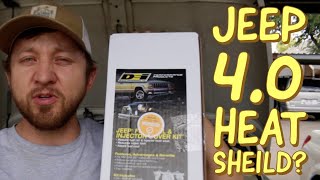
Searches for official recalls or Technical Service Bulletins (TSBs) from the National Highway Traffic Safety Administration (NHTSA) did not find any specific campaigns related to the starter motor for the 1986-1992 Jeep Comanche. The most prevalent, owner-reported issue is by far the "heat soak" problem on 4.0L models, where the starter fails to engage when the engine bay is hot. This is a design-related issue, not a manufacturing defect, and is best solved with a high-torque, gear-reduction starter or a heat shield.
Cost of a New Aftermarket Starter
| Part Type | Estimated Cost |
|---|---|
| New Aftermarket Starter | $83 - $321 |
| Shop Labor | $100 - $200 |
Frequently Asked Questions (FAQ)
How difficult is it to replace a Comanche starter?
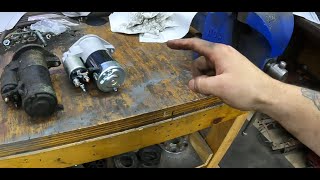
For a DIY mechanic with basic tools, this is a fairly straightforward job. It's typically held on by two bolts and has two wire connections. Access can be tight, especially on 4.0L models. Some early models may use external Torx (E-Torx) bolts, so check your hardware before you begin. Always disconnect the negative battery cable 🎬 See this step-by-step Comanche starter replacement walkthrough. before starting work.
What is a starter solenoid?
The solenoid is a small electromagnet that does two things. First, it acts as a heavy-duty relay to switch on the high-current power to the starter motor. Second, it physically pushes the starter gear forward to engage with the engine's flywheel. On most modern starters, the solenoid is attached to the top of the starter motor.
Is my battery bad or is it the starter? 🎬 Watch this guide on troubleshooting common Jeep starter issues.
If you hear a rapid clicking sound when you turn the key, your battery is likely low. If you hear a single, solid click, the battery is probably fine and the starter is the issue. If the headlights dim significantly when you try to crank, the starter might be drawing too much current, but you should have your battery load-tested at an auto parts store to be sure.
Do I need to replace any other parts with the starter?
Generally, no. However, this is the perfect time to inspect your battery cables. If the ends are corroded or the wires are frayed, replacing them will ensure your new starter gets the power it needs for a long life.
Helpful Videos
Technical Specifications
OEM Part Numbers: 56027350 JR775078 JR775132 8953002125 8982775132 33004180
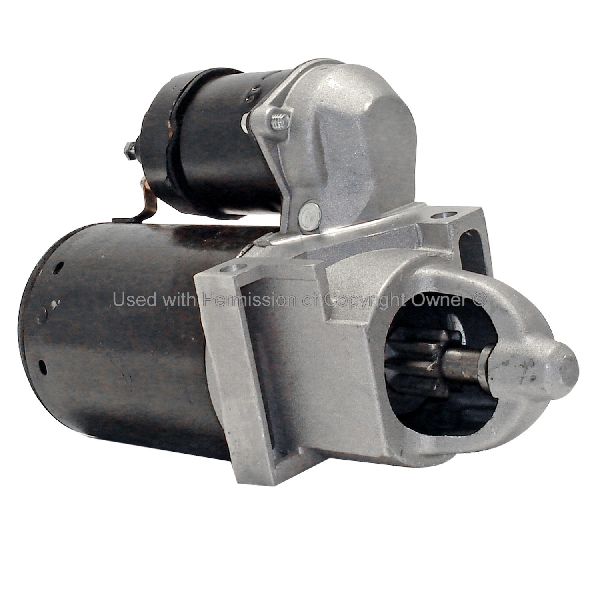
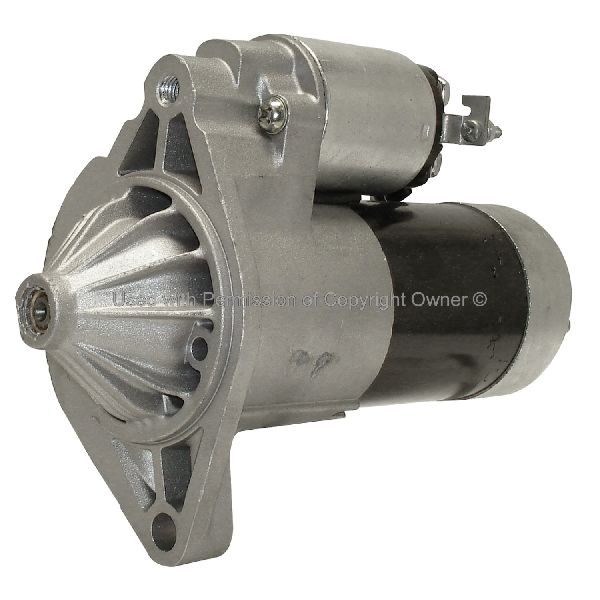
Varies by engine (2.5L I4 or 4.0L I6). Aftermarket options include standard direct-drive and high-torque gear-reduction designs. Gear reduction starters offer higher torque output (e.g., 180-200 ft-lbs) and are often smaller and lighter than the original unit.
We Have This Part in Stock
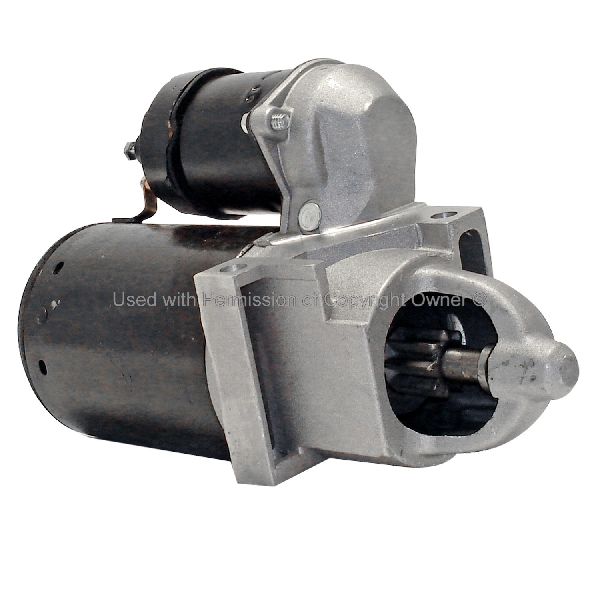
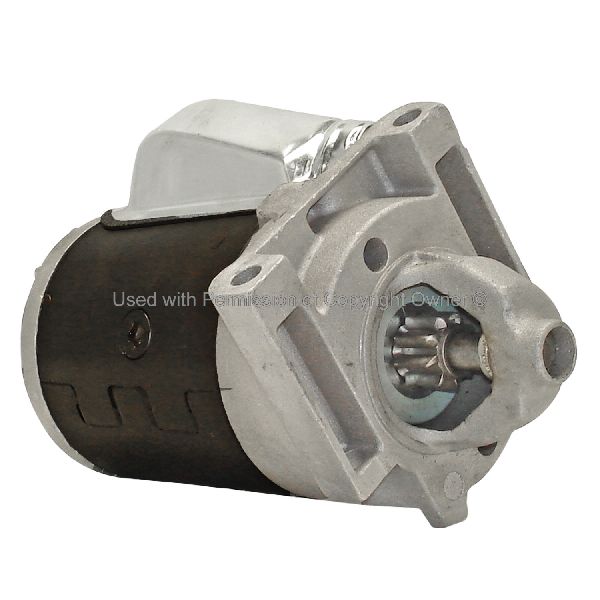
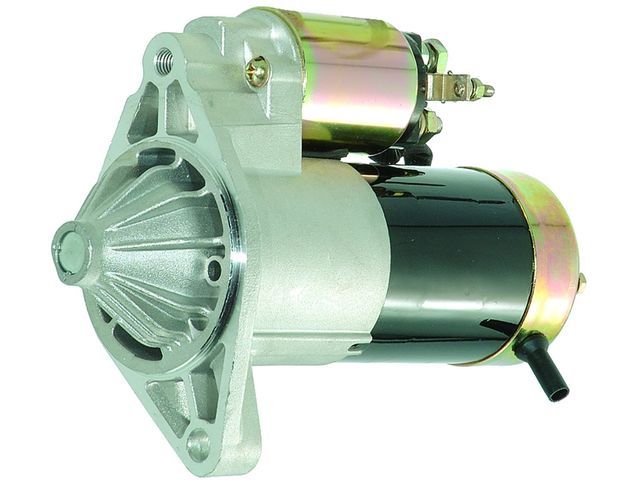

The information in this article is provided for general reference and educational purposes only. Vehicle specifications, procedures, and part compatibility can vary by production date, trim level, and region. Always consult your vehicle's factory service manual and verify part numbers before purchasing or performing repairs. Safety-critical components such as airbags, seat belts, and braking systems should be installed by a qualified professional.
- Jeep Comanche:
- 🎬 Helpful Videos
- 🛍️ Shop This Part
- Is Your Comanche's Starter Failing?
- Common Symptoms of a Bad Starter:
- Check the Simple Things First
- Choosing the Right Aftermarket Starter
- Brand Quality Tiers
- Pro Tip: Consider a Gear Reduction Starter
- Known Issues, Recalls, and TSBs
- Cost of a New Aftermarket Starter
- Frequently Asked Questions (FAQ)
- 🎟️ Get 5% Off